


Proflavine Hemisulfate is a chemical compound widely used in laboratory settings for its fluorescent properties. It is primarily categorized under fluorescent probes and is commonly employed in biochemical and analytical applications. This compound is known for its ability to absorb and emit light at specific wavelengths, making it a valuable tool for detecting and identifying various molecules in biological samples. Its role in the laboratory is to aid in the visualization of chemical reactions and biological processes, providing researchers with a clear and reliable method for observation and analysis.
One of the key properties that make Proflavine Hemisulfate a preferred choice is its stability under certain conditions, which allows for extended storage and consistent performance. The compound’s fluorescence characteristics enable it to act as a fluorescent label, helping to tag and track specific molecules within complex samples. This makes it particularly useful in fluorescence-based techniques, where precise detection and quantification are essential. Its ability to emit light under controlled conditions ensures reliable results in a variety of experimental setups.
In Indonesian laboratories, Proflavine Hemisulfate is commonly used in biochemical research and molecular analysis. It supports studies in microbiology, biochemistry, and analytical chemistry by providing a means to visualize and analyze biological samples. Its application in fluorescence microscopy and other analytical techniques helps researchers gain insights into molecular interactions and biological processes. The compound’s versatility and reliability make it an essential component in many laboratory workflows.
- Fluorescence Microscopy: Proflavine Hemisulfate is ideal for fluorescence microscopy due to its ability to emit light when exposed to specific wavelengths, allowing for the visualization of cellular structures and molecular interactions.
- Molecular Labeling: It serves as a fluorescent label for tagging and tracking specific molecules in biological samples, enhancing the accuracy of detection and identification in biochemical studies.
- Biochemical Analysis: Its fluorescent properties make it suitable for use in biochemical assays where the detection of target molecules is required, providing a reliable method for quantification and analysis.
- Sample Staining: Proflavine Hemisulfate is used as a fluorescent stain to highlight specific components in samples, aiding in the identification and analysis of biological materials.
- Fluorescence Spectroscopy: The compound’s ability to absorb and emit light at specific wavelengths makes it a valuable tool in fluorescence spectroscopy for studying molecular interactions and structural changes.
| Brand | TCI |
|---|---|
| CAS number | 1811-28-5 |
| Molecular formula | — |
| Purity | — |
| Category | Life Science > Biochemicals and Reagents > Fluorescent Probes, Fluorescent Labels, Fluorescent Stains |
| Pack sizes | Available in various quantities as per supplier specifications |
| Physical form | Solid (as per standard product description) |
| Storage | Store in a cool, dry place away from direct light |
Proflavine Hemisulfate should be stored in a cool, dry environment, away from direct sunlight and sources of heat to maintain its stability and fluorescent properties. It is recommended to keep the compound in airtight containers to prevent moisture absorption, which could affect its performance. Laboratory personnel should handle the material with care, using appropriate personal protective equipment such as gloves and safety goggles to minimize exposure. Since it is a fluorescent compound, it is important to ensure that it is stored separately from incompatible substances to avoid any potential chemical interactions. Proper labeling of storage containers is essential for safe handling and easy identification. Regular checks on storage conditions should be conducted to ensure the compound remains in optimal condition for use in laboratory applications.
—
Product Categories
- Biochemicals and ReagentsFluorescent Probes, Fluorescent Labels, Fluorescent StainsFluorescent Stains
- Biochemicals and ReagentsLuminescent Compounds/Detection
- Cell BiologyCell and Tissue ImagingFluorescent Stains
- Cell Biology
- MicrobiologyStaining for MicrobiologyGram Staining
- Molecular BiologyProteomicsPost-Translational Modification
Produk Terkait
-
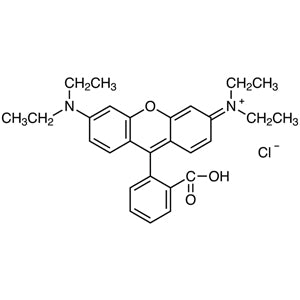
RhodamineB TCI R0040
Regular price Rp 1.167.600,00Regular priceRp 815.850,00Sale price Rp 1.167.600,00 -
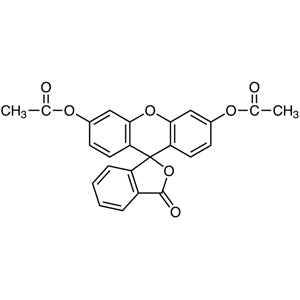
FluoresceinDiacetate TCI F0240
Regular price Rp 1.538.250,00Regular priceRp 1.090.950,00Sale price Rp 1.538.250,00 -
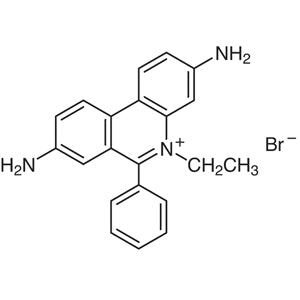
EthidiumBromide TCI E0370
Regular price Rp 1.483.650,00Regular priceRp 1.053.150,00Sale price Rp 1.483.650,00 -
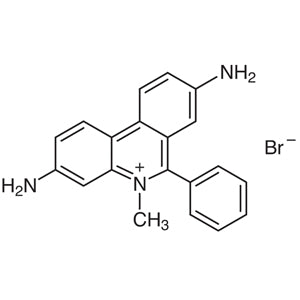
DimidiumBromide TCI D1815
Regular price Rp 5.724.600,00Regular priceRp 4.018.350,00Sale price Rp 5.724.600,00 -
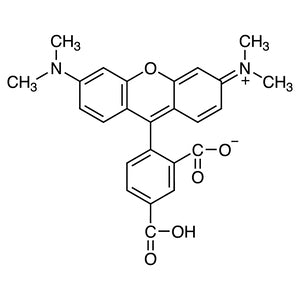
5-TAMRA TCI C2686
Regular price Rp 4.957.050,00Regular priceRp 3.466.050,00Sale price Rp 4.957.050,00 -
DAPI2HCl[forBiochemicalResearch] TCI A2412
Regular price Rp 1.590.750,00Regular price -
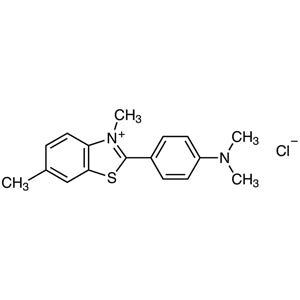
BasicYellow1 TCI T0558
Regular price Rp 2.094.750,00Regular priceRp 1.464.750,00Sale price Rp 2.094.750,00 -
BisbenzimideH33258[forBiochemicalResearch] TCI H1343
Regular price Rp 1.510.950,00Regular priceRp 1.072.050,00Sale price Rp 1.510.950,00
![28718-90-3 DAPI 2HCl [for Biochemical Research] - AMI Scientific](http://amiscientific.com/cdn/shop/files/TCI2510A2412.jpg?v=1767082817&width=533)
![23491-45-4 Bisbenzimide H 33258 [for Biochemical Research] - AMI Scientific](http://amiscientific.com/cdn/shop/files/TCI2510H1343.jpg?v=1767117845&width=533)