Rhodamine B is an organic compound widely used in various chemical and analytical applications within laboratory settings. As a member of the azo dye family, it exhibits a strong reddish-orange color that remains stable under light and temperature variations. This compound plays a crucial role in chemical research, particularly in qualitative analysis, pH testing, and photocatalytic processes. Its unique properties make it an essential tool for scientists and researchers working in both academic and industrial environments. Rhodamine B is especially valued for its ability to serve as a visual indicator in complex reactions, allowing for easy detection and monitoring of chemical changes.
Rhodamine B is preferred due to its molecular structure, which includes two amino groups and one azo group, contributing to its chemical stability and reactivity. It is highly soluble in organic solvents such as ethyl acetate and ethanol, making it versatile for use in a wide range of chemical reactions and analytical techniques. Its resistance to degradation under normal laboratory conditions ensures consistent performance and reliability. Additionally, the compound’s high solubility in organic solvents and low solubility in water make it suitable for various applications where controlled solubility is required. These characteristics make Rhodamine B a reliable and effective choice for both research and practical laboratory work.
In Indonesian laboratories, Rhodamine B is commonly used in research related to photocatalysis, qualitative analysis, and environmental testing. It is also employed in the development of chemical indicators and as a reagent in various analytical procedures. Due to its stability and detectability, it is a preferred choice for researchers seeking accurate and consistent results in their experiments. Its application in environmental studies further highlights its importance in assessing and monitoring chemical processes in both laboratory and real-world settings.
TCI brochures (PDF)
- Visible Light Photoredox Catalysts 2026-04-28 · p. 4
- Organic Photoreaction Reagents 2025-02-13 · p. 8
- Photocatalytic Research: Rhodamine B is used in photocatalytic experiments to monitor reaction progress and efficiency due to its strong and stable color.
- Qualitative Analysis: It serves as a visual indicator in chemical reactions, helping to identify the presence of specific ions or compounds in a sample.
- pH Testing: Rhodamine B is employed in pH testing because its color changes in response to pH variations, making it a reliable tool for acid-base analysis.
- Environmental Monitoring: It is used in environmental studies to detect and analyze pollutants in water and soil samples due to its high sensitivity and stability.
- Chemical Indicator Development: Rhodamine B is a key component in the creation of custom chemical indicators for specialized analytical applications.
| Brand | TCI |
|---|---|
| CAS number | 81-88-9 |
| Molecular formula | — |
| Purity | — |
| Category | Chemistry > Catalysis and Inorganic Chemistry > Photocatalysts [Catalysis] |
| Pack sizes | Available in various quantities as per standard laboratory supply sizes |
| Physical form | Powder or crystalline solid |
| Storage | — |
Rhodamine B should be stored in a cool, dry place away from direct sunlight to maintain its stability and color integrity. It is recommended to use airtight containers made of glass or high-density polyethylene to prevent contamination and moisture ingress. Due to its organic nature, it should be kept separate from strong oxidizing agents to avoid unwanted reactions. Always ensure proper ventilation when handling the compound to minimize inhalation risks. In laboratory settings, it is essential to wear appropriate personal protective equipment, such as gloves and safety goggles, to ensure safe handling and prevent skin or eye contact. Proper storage and handling practices help maintain the compound’s effectiveness and safety in laboratory applications.
—
Product Categories
- Biochemicals and ReagentsFluorescent Probes, Fluorescent Labels, Fluorescent StainsFluorescent Stains
- Biochemicals and ReagentsLuminescent Compounds/Detection
- Cell BiologyCell and Tissue ImagingFluorescent Stains
- Cell Biology
- MicrobiologyStaining for MicrobiologyGram Staining
- Molecular BiologyProteomicsPost-Translational Modification
Produk Terkait
-
AcidRed87 TCI T0037
Regular price Rp 903.000,00Regular priceRp 631.050,00Sale price Rp 903.000,00 -
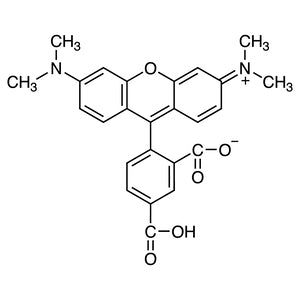
5-TAMRA TCI C2686
Regular price Rp 4.957.050,00Regular priceRp 3.466.050,00Sale price Rp 4.957.050,00 -
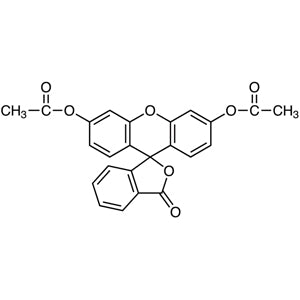
FluoresceinDiacetate TCI F0240
Regular price Rp 1.538.250,00Regular priceRp 1.090.950,00Sale price Rp 1.538.250,00 -
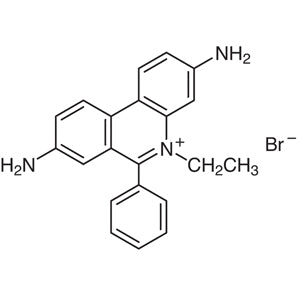
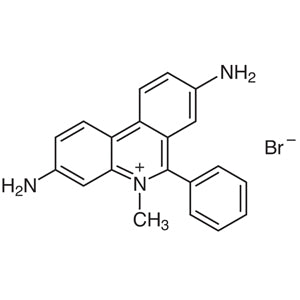
EthidiumBromide TCI E0370
Regular price From Rp 1.483.650,00Regular priceRp 1.053.150,00Sale price From Rp 1.483.650,00 -
DimidiumBromide TCI D1815
Regular price From Rp 5.724.600,00Regular priceRp 4.018.350,00Sale price From Rp 5.724.600,00 -
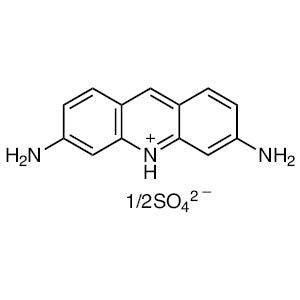
ProflavineHemisulfate TCI D0073
Regular price From Rp 1.298.850,00Regular priceRp 924.000,00Sale price From Rp 1.298.850,00 -
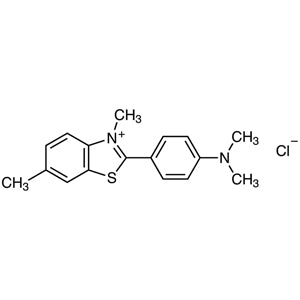
BasicYellow1 TCI T0558
Regular price Rp 2.094.750,00Regular priceRp 1.464.750,00Sale price Rp 2.094.750,00 -
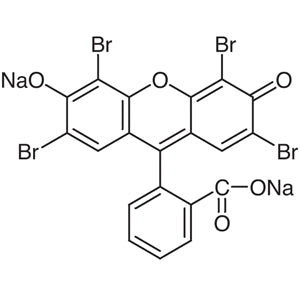
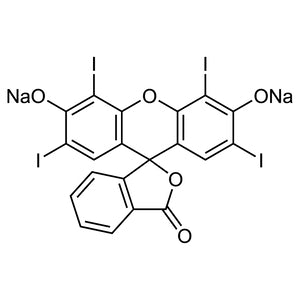
ErythrosineB TCI T0557
Regular price Rp 1.008.000,00Regular priceRp 704.550,00Sale price Rp 1.008.000,00