Methylene Blue is a chemical compound widely used in laboratory analysis, particularly in the fields of chemistry and biology. As an ion association reagent, it plays a crucial role in spectrophotometric analysis by enabling the detection of specific ions in solution. This compound has the ability to bind with metal ions or other ions, facilitating the measurement of concentration through color changes or absorbance readings. Its versatility makes it an essential tool in both qualitative and quantitative laboratory workflows.
The chemical stability and strong reactivity of Methylene Blue make it a preferred choice for analytical applications. Its molecular structure allows for effective interaction with various ions, enhancing its utility in detection methods. The compound’s ability to undergo color changes in response to different ions provides a reliable and sensitive means of analysis. These properties ensure consistent and accurate results, making it a trusted reagent in analytical chemistry.
In Indonesian laboratories, Methylene Blue is commonly used in research and quality testing of water, chemicals, and health-related applications. Its availability in solid form simplifies handling and storage, making it a practical choice for routine analysis. The compound is frequently employed in environmental and biochemical studies, supporting a wide range of scientific investigations. Its reliability and effectiveness continue to make it a staple in laboratory settings across Indonesia.
Related TCI products
- TCI A5100 2437-29-8 Malachite Green, Oxalate [Sensitive spectrophotometric reagent for PO4]
- TCI B3581 1871-22-3 Blue Tetrazolium [for Biochemical Research]
- TCI A2412 28718-90-3 DAPI 2HCl [for Biochemical Research]
- TCI A0579 1718-34-9 Mordant Orange 1 Monosodium Salt
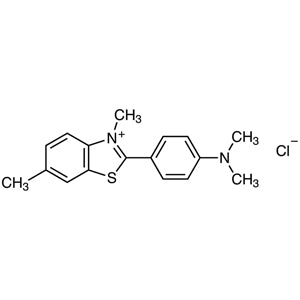
- TCI T0558 2390-54-7 Basic Yellow 1
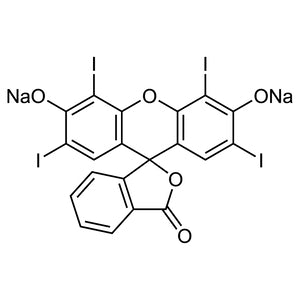
- TCI T0557 16423-68-0 Erythrosine B
- Spectrophotometric Analysis – Methylene Blue is ideal for detecting specific ions in solution through absorbance and color changes, offering precise and reliable results.
- Environmental Testing – Used in water and soil analysis to detect metal ions and organic compounds, supporting environmental monitoring and quality control.
- Biochemical Research – Applied in protein quantification and ion detection, aiding in biochemical and molecular studies for academic and industrial research.
- Health and Diagnostic Testing – Utilized in clinical and diagnostic laboratories for analyzing biological samples, contributing to health-related research and testing.
- Quality Control in Chemical Manufacturing – Employed to assess the purity and composition of chemical products, ensuring compliance with industry standards.
| Brand | TCI |
|---|---|
| CAS number | 61-73-4 |
| Molecular formula | — |
| Purity | — |
| Category | Life Science > Biochemicals and Reagents > Luminescent Compounds/Detection |
| Pack sizes | Available in various quantities as per standard laboratory requirements |
| Physical form | Solid powder |
| Storage | Store in a cool, dry place away from light and moisture |
Methylene Blue should be stored in a cool, dry place, away from light and moisture to maintain its chemical stability and effectiveness. It is recommended to use airtight containers to prevent exposure to air and humidity, which could affect its properties. As a solid powder, it should be handled with care to avoid inhalation or contact with skin. In laboratory settings, it is important to follow standard safety protocols, such as using gloves and safety goggles when handling the compound. Proper labeling and storage conditions ensure that the reagent remains safe and effective for use in analytical procedures. Always ensure that the storage area is well-ventilated and free from potential contaminants.
—
Produk Terkait
-
MalachiteGreen,Oxalate[SensitivespectrophotometricreagentforPO4] TCI A5100
Regular price Rp 2.384.550,00Regular priceRp 1.683.150,00Sale price Rp 2.384.550,00 -
BlueTetrazolium[forBiochemicalResearch] TCI B3581
Regular price From Rp 1.298.850,00Regular priceRp 924.000,00Sale price From Rp 1.298.850,00 -
DAPI2HCl[forBiochemicalResearch] TCI A2412
Regular price Rp 1.643.250,00Regular priceRp 1.164.450,00Sale price Rp 1.643.250,00 -
MordantOrange1MonosodiumSalt TCI A0579
Regular price Rp 1.829.100,00Regular priceRp 1.278.900,00Sale price Rp 1.829.100,00 -
BasicYellow1 TCI T0558
Regular price Rp 2.094.750,00Regular priceRp 1.464.750,00Sale price Rp 2.094.750,00 -
ErythrosineB TCI T0557
Regular price Rp 1.008.000,00Regular priceRp 704.550,00Sale price Rp 1.008.000,00 -
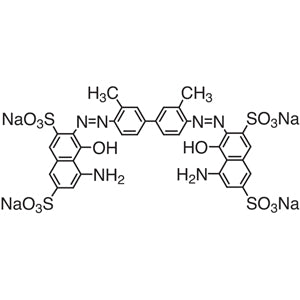
DirectBlue14 TCI T0556
Regular price Rp 1.087.800,00Regular priceRp 760.200,00Sale price Rp 1.087.800,00 -
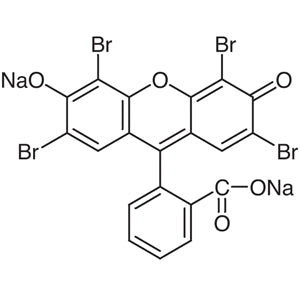
AcidRed87 TCI T0037
Regular price Rp 903.000,00Regular priceRp 631.050,00Sale price Rp 903.000,00