TCI M0976 5-Methyl-1,3,4-thiadiazole-2-thiol is a heterocyclic compound built around a thiadiazole ring containing two nitrogen atoms and one sulfur atom, further substituted with a methyl group at position 5 and a thiol group at position 2. This combination of a heteroatom-rich heterocyclic core with a reactive sulfhydryl group makes the material a highly versatile building block. In the laboratory, the compound is commonly used as a starting point for constructing larger molecules through alkylation at the sulfur atom, and equally as a ligand capable of binding metal ions through either its sulfur or its nitrogen centres.
The characteristic that makes this compound widely sought after is the acidity of its thiol group, which allows thiolate formation with mild bases so that substitution reactions proceed efficiently without requiring harsh conditions. The compound also displays the thiol–thione equilibrium typical of mercapto heterocycles, providing two potential nucleophilic centres that can be exploited in reaction design. Its ability to form coordination layers on metal surfaces means that this class of compounds is also studied in the context of surface science. Its solid, crystalline nature makes repurification by recrystallisation straightforward.
In Indonesian laboratories, materials of this type are typically handled in synthetic organic chemistry groups, coordination chemistry groups, and materials research units at universities and research institutes. The compound is generally weighed out in modest quantities for exploratory reactions, then scaled up once a route has been established. Because it arrives as a stable crystalline solid, it suits laboratories that need a building block which can be stored between projects and drawn upon as individual synthetic campaigns require.
Related TCI products
- TCI T2884 18686-82-3 1,3,4-Thiadiazole-2-thiol
- TCI P2011 17371-99-2 5-Phenylbenzoxazole-2-thiol
- TCI A0425 2349-67-9 2-Amino-5-mercapto-1,3,4-thiadiazole
- TCI T3544 2937-81-7 1,3,4-Thiadiazole-2,5-diamine
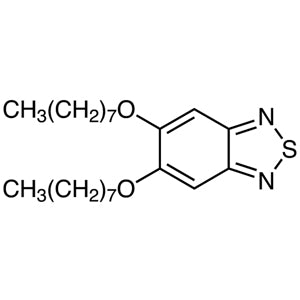
- TCI B4440 1254353-37-1 5,6-Bis(n-octyloxy)-2,1,3-benzothiadiazole
- TCI B0921 273-13-2 2,1,3-Benzothiadiazole
- Synthetic building block for heterocyclic scaffolds: the reactive thiol group provides a clean handle for elaborating the thiadiazole core into larger target molecules without requiring aggressive reagents.
- S-alkylation chemistry: the thiol is readily deprotonated by mild bases to give a nucleophilic thiolate, making alkylation at sulfur one of the most direct routes for attaching new fragments.
- Ligand preparation in coordination chemistry: both the sulfur and the ring nitrogen atoms can bind metal ions, allowing the compound to be used directly as a chelating or bridging ligand.
- Surface science studies on metals: this class of mercapto heterocycles forms coordination layers on metal surfaces, making the material relevant to research on interfacial behaviour and surface modification.
- Methodology work exploiting thiol–thione tautomerism: the two available nucleophilic centres let researchers probe and control regioselectivity when designing new substitution reactions.
| Brand | TCI |
|---|---|
| CAS number | 29490-19-5 |
| Molecular formula | — |
| Purity | — |
| Category | Chemistry > Building Blocks > Heterocyclic Building Blocks |
| Pack sizes | available in standard TCI catalogue pack sizes; please confirm the currently listed options when ordering |
| Physical form | solid, crystalline material |
| Storage | keep in a tightly closed container in a cool, dry, well-ventilated place away from light and incompatible materials |
Store the compound in its original tightly closed container in a cool, dry and well-ventilated area, protected from direct sunlight and kept away from oxidising agents and strong bases. Amber glass or the supplier's original packaging is suitable, and containers should be resealed promptly after each use to limit exposure to air and moisture. Weighing and transfer operations are best carried out in a fume hood, using gloves, safety goggles and a laboratory coat, since thiol compounds carry a characteristic odour. Avoid generating dust, keep the working area clean, and follow the safety data sheet together with your institution's chemical waste procedures for disposal of residues and contaminated consumables.
—
Produk Terkait
-
1,3,4-Thiadiazole-2-thiol TCI T2884
Regular price Rp 3.180.450,00Regular price -
5-Phenylbenzoxazole-2-thiol TCI P2011
Regular price Rp 1.378.650,00Regular price -
2-Amino-5-mercapto-1,3,4-thiadiazole TCI A0425
Regular price From Rp 769.650,00Regular price -
1,3,4-Thiadiazole-2,5-diamine TCI T3544
Regular price Rp 2.995.650,00Regular price -
5,6-Bis(n-octyloxy)-2,1,3-benzothiadiazole TCI B4440
Regular price Rp 3.817.800,00Regular price -
2,1,3-Benzothiadiazole TCI B0921
Regular price From Rp 1.140.300,00Regular price -
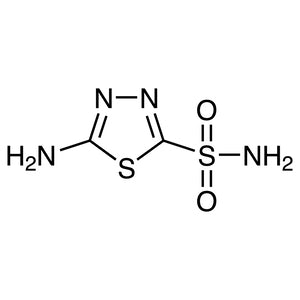
5-Amino-1,3,4-thiadiazole-2-sulfonamide TCI A3569
Regular price Rp 6.042.750,00Regular price -
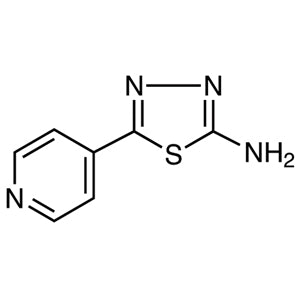
2-Amino-5-(4-pyridyl)-1,3,4-thiadiazole TCI A3038
Regular price From Rp 1.167.600,00Regular price