5,6-Bis(n-octyloxy)-2,1,3-benzothiadiazole is a chemical compound widely used in scientific research, particularly in organic chemistry and material science. This compound serves as a key building block in the synthesis of complex molecules, especially those with heterocyclic structures. Its unique molecular framework enables it to participate in various chemical reactions, making it essential for the development of advanced materials. In laboratory settings, it plays a crucial role in the creation of organic coatings, sensors, and electronic components. Its versatility and chemical stability make it a preferred choice for researchers requiring precise and reliable results.
The compound is known for its excellent solubility in organic solvents, which simplifies synthesis and processing procedures. Its predictable chemical behavior and stable reactivity allow for controlled reactions under various conditions. These properties make it suitable for applications where precision and reproducibility are critical. Additionally, its molecular structure supports its use in the development of functional materials with tailored properties. This makes it an indispensable tool for researchers working on cutting-edge projects in material science and chemical engineering.
In Indonesian laboratories, this compound is commonly used by scientists in universities and research institutions. It is frequently found in projects related to organic materials, electronics, and environmental chemistry. Due to its availability and reliability, it is a go-to compound for researchers aiming to advance their work in these fields. Its consistent performance ensures that it remains a valuable resource in the scientific community.
Related TCI products
- TCI A0425 2349-67-9 2-Amino-5-mercapto-1,3,4-thiadiazole
- TCI T3544 2937-81-7 1,3,4-Thiadiazole-2,5-diamine
- TCI T2884 18686-82-3 1,3,4-Thiadiazole-2-thiol
- TCI B0921 273-13-2 2,1,3-Benzothiadiazole
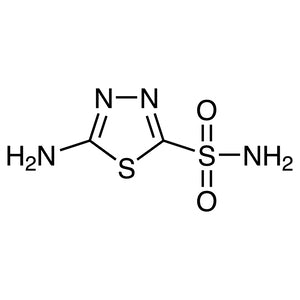
- TCI A3569 14949-00-9 5-Amino-1,3,4-thiadiazole-2-sulfonamide
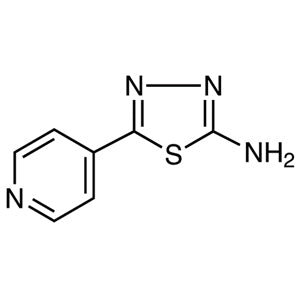
- TCI A3038 2002-04-2 2-Amino-5-(4-pyridyl)-1,3,4-thiadiazole
- Organic Material Synthesis: This compound is ideal for creating complex organic materials due to its stable reactivity and solubility in organic solvents.
- Electronic Component Development: It is used in the production of electronic components because of its ability to form stable molecular structures.
- Coating Formulation: Its solubility and chemical properties make it suitable for formulating high-performance organic coatings.
- Sensor Fabrication: It is applied in sensor development due to its predictable chemical behavior and ability to interact with various substances.
- Environmental Chemistry Research: It is used in studies involving environmental materials because of its stability and reactivity in different conditions.
| Brand | TCI |
|---|---|
| CAS number | 1254353-37-1 |
| Molecular formula | — |
| Purity | — |
| Category | Chemistry > Building Blocks > Heterocyclic Building Blocks |
| Pack sizes | Available in various quantities as per standard laboratory supply |
| Physical form | Solid, crystalline appearance |
| Storage | Store in a cool, dry place away from light and moisture |
This compound should be stored in a cool, dry place, away from direct light and moisture to maintain its chemical integrity. It is recommended to use airtight containers to prevent exposure to air and humidity. Due to its chemical stability, it does not require refrigeration but should be kept in a controlled environment. Laboratory personnel should handle it with care, using appropriate personal protective equipment when necessary. It is important to ensure that the compound is stored separately from incompatible materials to avoid any potential chemical interactions. Proper storage conditions help preserve its effectiveness and ensure safe usage in research applications.
—
Produk Terkait
-
2-Amino-5-mercapto-1,3,4-thiadiazole TCI A0425
Regular price From Rp 822.150,00Regular priceRp 590.100,00Sale price From Rp 822.150,00 -
1,3,4-Thiadiazole-2,5-diamine TCI T3544
Regular price Rp 3.048.150,00Regular priceRp 2.147.250,00Sale price Rp 3.048.150,00 -
1,3,4-Thiadiazole-2-thiol TCI T2884
Regular price Rp 3.232.950,00Regular priceRp 2.276.400,00Sale price Rp 3.232.950,00 -
2,1,3-Benzothiadiazole TCI B0921
Regular price From Rp 1.192.800,00Regular priceRp 849.450,00Sale price From Rp 1.192.800,00 -
5-Amino-1,3,4-thiadiazole-2-sulfonamide TCI A3569
Regular price Rp 6.095.250,00Regular priceRp 4.277.700,00Sale price Rp 6.095.250,00 -
2-Amino-5-(4-pyridyl)-1,3,4-thiadiazole TCI A3038
Regular price From Rp 1.220.100,00Regular priceRp 868.350,00Sale price From Rp 1.220.100,00 -
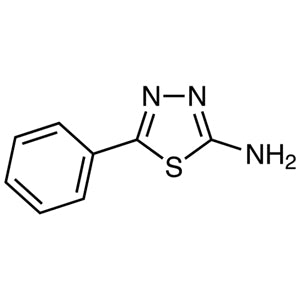
2-Amino-5-phenyl-1,3,4-thiadiazol TCI A3002
Regular price Rp 2.173.500,00Regular priceRp 1.535.100,00Sale price Rp 2.173.500,00 -
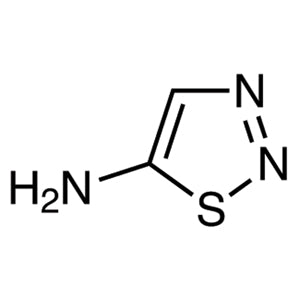
5-Amino-1,2,3-thiadiazole TCI A2354
Regular price From Rp 2.147.250,00Regular priceRp 1.517.250,00Sale price From Rp 2.147.250,00