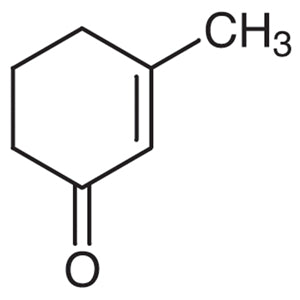
TCI M1043 3-Methyl-2-cyclohexen-1-one, bearing CAS number 1193-18-6, is an unsaturated cyclic ketone built around a conjugated enone system — a carbon-carbon double bond positioned directly adjacent to a carbonyl group — with an additional methyl substituent at the beta position. Enone structures of this kind rank among the most productive functional groups available in organic synthesis, because a single molecule presents two distinct electrophilic centres at once: the carbonyl carbon and the beta carbon. In the laboratory, this compound serves as a non-heterocyclic building block for assembling carbocyclic frameworks, particularly in the synthesis of terpenoids, steroids, and a wide range of six-membered-ring natural product molecules.
The characteristic that makes this material so highly valued is its suitability as a Michael acceptor. The methyl-substituted beta carbon readily accepts attack from soft nucleophiles such as organocuprates, enamines, or active methylene compounds, allowing the formation of quaternary centres that are difficult to construct by other routes. The same conjugated system also permits selective 1,2-addition when harder reagents are employed, which means researchers can steer the outcome of a reaction simply by choosing the appropriate nucleophile. This dual reactivity gives a single reagent access to two divergent synthetic pathways from a common starting material.
Its existence as a liquid at room temperature makes handling straightforward for routine laboratory work, since volumetric transfer, dilution, and dosing into reaction mixtures require no prior dissolution or melting step. In Indonesian laboratories, the compound is typically drawn upon by academic research groups and industrial R&D units engaged in natural product synthesis, methodology development, and the preparation of carbocyclic intermediates, where a reliable and well-characterised enone building block is needed for multi-step synthetic sequences.
Related TCI products
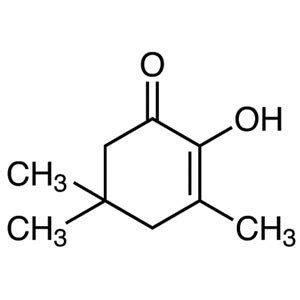
- TCI T2723 4883-60-7 2-Hydroxy-3,5,5-trimethyl-2-cyclohexen-1-one
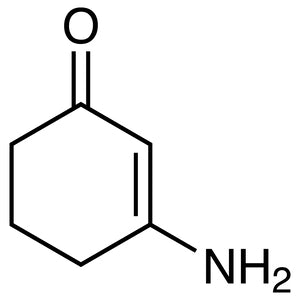
- TCI A1936 5220-49-5 3-Amino-2-cyclohexen-1-one
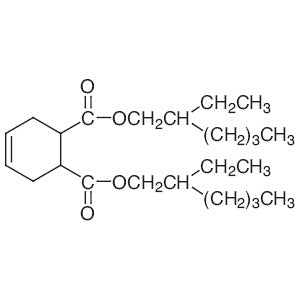
- TCI T0605 2915-49-3 Bis(2-ethylhexyl) 4-Cyclohexene-1,2-dicarboxylate
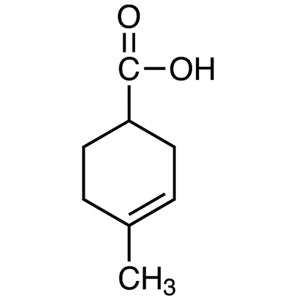
- TCI M2492 4342-60-3 4-Methyl-3-cyclohexene-1-carboxylic Acid
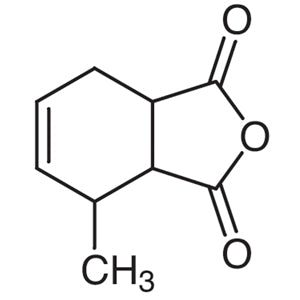
- TCI M1190 5333-84-6 3-Methyl-4-cyclohexene-1,2-dicarboxylic Anhydride
- TCI M0683 11070-44-3 Methylcyclohexene-1,2-dicarboxylic Anhydride (mixture of isomers)
- Michael addition reactions — the beta carbon accepts soft nucleophiles such as organocuprates, enamines, and active methylene compounds, delivering conjugate addition products in a single controlled step.
- Quaternary carbon centre construction — the methyl substituent at the beta position allows formation of fully substituted carbon centres that are notoriously difficult to build by alternative synthetic routes.
- Terpenoid synthesis — the six-membered carbocyclic ring with its reactive enone handle provides a direct entry point into the ring systems characteristic of many terpenoid natural products.
- Steroid framework assembly — as a non-heterocyclic building block it contributes a functionalised six-membered ring suitable for elaboration into the fused carbocyclic skeletons found in steroids.
- Selective 1,2-addition chemistry — the conjugated system responds to hard nucleophilic reagents with addition at the carbonyl carbon, letting researchers direct the reaction outcome by reagent choice.
| Brand | TCI |
|---|---|
| CAS number | 1193-18-6 |
| Molecular formula | — |
| Purity | — |
| Category | Chemistry > Building Blocks > Non-Heterocyclic Building Blocks |
| Pack sizes | available in the standard TCI catalogue pack sizes |
| Physical form | liquid at room temperature |
| Storage | keep in a tightly closed container in a cool, well-ventilated area |
- Chemical name: 3-Methyl-2-cyclohexen-1-one
Store the container tightly closed in a cool, dry, well-ventilated place, away from heat sources, open flames, and direct sunlight. Keep the material separated from strong oxidising agents and strong bases, and avoid storage alongside reactive nucleophiles given the compound's electrophilic character. Because the product is a liquid, use amber glass or the original supplier container for transfer and interim storage, and reseal promptly after each withdrawal to limit vapour loss and atmospheric exposure. All handling, weighing, and dispensing should be carried out inside a functioning fume hood, with safety goggles, chemical-resistant gloves, and a laboratory coat worn at all times. Avoid inhalation of vapours and direct skin or eye contact. Consult the manufacturer's safety data sheet before first use, and dispose of residues and contaminated materials through the laboratory's designated chemical waste stream.
—
Produk Terkait
-
2-Hydroxy-3,5,5-trimethyl-2-cyclohexen-1-one TCI T2723
Regular price Rp 1.273.650,00Regular price -
3-Amino-2-cyclohexen-1-one TCI A1936
Regular price From Rp 1.510.950,00Regular price -
Bis(2-ethylhexyl)4-Cyclohexene-1,2-dicarboxylate TCI T0605
Regular price From Rp 477.750,00Regular price -
4-Methyl-3-cyclohexene-1-carboxylicAcid TCI M2492
Regular price From Rp 2.121.000,00Regular price -
3-Methyl-4-cyclohexene-1,2-dicarboxylicAnhydride TCI M1190
Regular price From Rp 4.877.250,00Regular price -
Methylcyclohexene-1,2-dicarboxylicAnhydride(mixtureofisomers) TCI M0683
Regular price From Rp 875.700,00Regular price -
Ethyl6-Methyl-2-oxo-3-cyclohexene-1-carboxylate(mixtureofisomers) TCI E0646
Regular price From Rp 743.400,00Regular price -
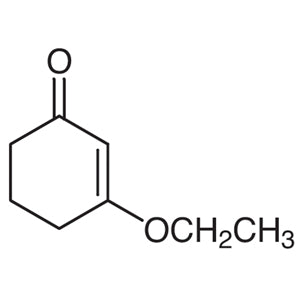
3-Ethoxy-2-cyclohexen-1-one TCI E0384
Regular price From Rp 1.220.100,00Regular price