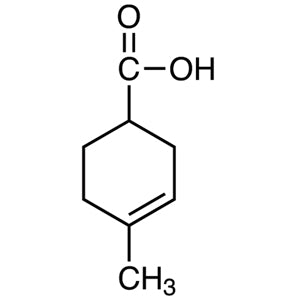
4-Methyl-3-cyclohexene-1-carboxylic Acid is a versatile organic compound widely used in laboratory settings for its ability to participate in various synthetic reactions. As a key building block in organic chemistry, it plays a crucial role in the formation of complex molecular structures through carbon-carbon bond formation. This compound is commonly utilized in research and development processes to synthesize a wide range of chemical compounds. Its presence in laboratory workflows supports the creation of new materials and pharmaceuticals by enabling the construction of intricate molecular frameworks.
The compound’s chemical properties make it a preferred choice for synthetic chemists. It exhibits reactivity towards organic reagents such as acids, bases, and catalysts, allowing it to undergo substitution, addition, and ring-opening reactions. Its stability under specific conditions ensures reliable performance in controlled environments, while its structural versatility supports the synthesis of diverse end products. These characteristics make it an essential reagent for researchers aiming to explore new chemical pathways and develop innovative compounds.
In Indonesian laboratories, this compound is frequently used in scientific research, particularly in the development of chemical materials and pharmaceuticals. Its role in organic synthesis supports both academic and industrial applications, contributing to the advancement of chemical sciences. The compound’s utility in creating complex molecular structures makes it a valuable asset in the pursuit of new discoveries and innovations in the field.
Related TCI products
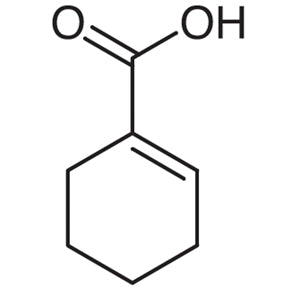
- TCI C1296 636-82-8 1-Cyclohexene-1-carboxylic Acid
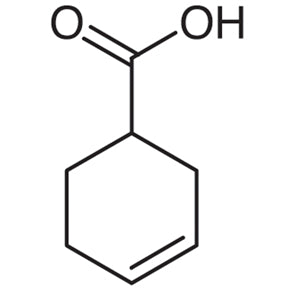
- TCI C0652 4771-80-6 3-Cyclohexene-1-carboxylic Acid
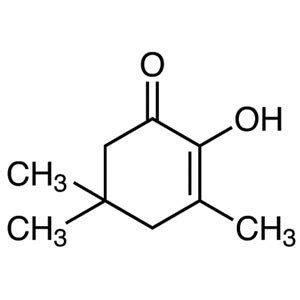
- TCI T2723 4883-60-7 2-Hydroxy-3,5,5-trimethyl-2-cyclohexen-1-one
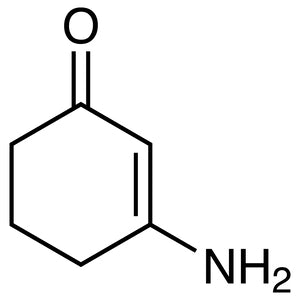
- TCI A1936 5220-49-5 3-Amino-2-cyclohexen-1-one
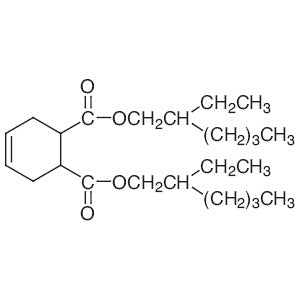
- TCI T0605 2915-49-3 Bis(2-ethylhexyl) 4-Cyclohexene-1,2-dicarboxylate
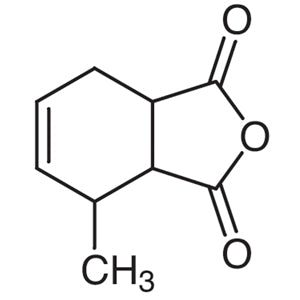
- TCI M1190 5333-84-6 3-Methyl-4-cyclohexene-1,2-dicarboxylic Anhydride
- Organic synthesis for constructing complex molecular frameworks due to its reactivity and structural versatility.
- Development of pharmaceutical compounds as a building block for creating diverse chemical structures.
- Research in chemical material development for creating new polymers and functional materials.
- Ring-opening and addition reactions in synthetic pathways requiring high reactivity and functional group compatibility.
- Substitution reactions in the preparation of derivatives with modified functional groups for further chemical transformations.
| Brand | TCI |
|---|---|
| CAS number | 4342-60-3 |
| Molecular formula | — |
| Purity | — |
| Category | Chemistry > Building Blocks > Non-Heterocyclic Building Blocks |
| Pack sizes | Available in various quantities as per standard laboratory supply specifications |
| Physical form | Solid or liquid, depending on the specific product formulation |
| Storage | Store in a cool, dry place away from direct sunlight and incompatible materials |
This compound should be stored in a cool, dry environment to maintain its chemical stability. It is recommended to use airtight containers to prevent exposure to moisture and air, which could affect its reactivity. Proper labeling of storage containers is essential to ensure safe handling and prevent accidental use. Laboratory personnel should wear appropriate personal protective equipment when handling the compound to minimize exposure. The compound should be kept away from incompatible substances such as strong acids or bases to avoid unwanted chemical reactions. Regular inspection of storage conditions is advised to maintain optimal safety and performance in laboratory settings.
—
Produk Terkait
-
1-Cyclohexene-1-carboxylicAcid TCI C1296
Regular price From Rp 1.353.450,00Regular price -
3-Cyclohexene-1-carboxylicAcid TCI C0652
Regular price From Rp 1.565.550,00Regular price -
2-Hydroxy-3,5,5-trimethyl-2-cyclohexen-1-one TCI T2723
Regular price Rp 1.273.650,00Regular price -
3-Amino-2-cyclohexen-1-one TCI A1936
Regular price From Rp 1.510.950,00Regular price -
Bis(2-ethylhexyl)4-Cyclohexene-1,2-dicarboxylate TCI T0605
Regular price From Rp 477.750,00Regular price -
3-Methyl-4-cyclohexene-1,2-dicarboxylicAnhydride TCI M1190
Regular price From Rp 4.877.250,00Regular price -
3-Methyl-2-cyclohexen-1-one TCI M1043
Regular price From Rp 928.200,00Regular price -
Methylcyclohexene-1,2-dicarboxylicAnhydride(mixtureofisomers) TCI M0683
Regular price From Rp 875.700,00Regular price