Diethyl D-(+)-Malate is a chiral building block widely used in asymmetric synthesis to construct molecules with defined stereochemistry. This compound plays a crucial role in chemical laboratories where precise control over molecular structure is essential. Its chiral nature allows it to participate in enantioselective reactions, making it a valuable tool for synthesizing complex organic compounds. In research settings, it is employed to develop pharmaceuticals, industrial chemicals, and specialty materials, where stereochemistry directly impacts the final product's properties and functionality.
As a preferred choice in synthetic chemistry, Diethyl D-(+)-Malate offers stability under various reaction conditions and exhibits predictable reactivity with a range of reagents. Its well-defined structure facilitates accurate identification and analysis, ensuring reliable results in laboratory experiments. The compound’s resistance to degradation also enhances its utility in long-term storage and repeated use. These properties make it a reliable and versatile component in both academic and industrial research environments.
In Indonesian laboratories, Diethyl D-(+)-Malate is commonly used in chemical research, particularly in universities and research institutions. It is a favored material due to its availability and compliance with international quality standards. Its application supports the development of new drugs, advanced materials, and chemical processes, contributing to the growth of scientific innovation in the region.
- Asymmetric synthesis is a key application where Diethyl D-(+)-Malate is used to create chiral molecules with specific stereochemical configurations.
- Pharmaceutical research benefits from this compound as it is essential in the development of enantiomerically pure drugs.
- Industrial chemical synthesis relies on Diethyl D-(+)-Malate for producing compounds with precise stereochemistry required in various applications.
- Organic chemistry experiments often incorporate this compound to study reaction mechanisms and stereochemical outcomes.
- Analytical chemistry uses Diethyl D-(+)-Malate for testing and validating chiral separation techniques and spectroscopic analyses.
| Brand | TCI |
|---|---|
| CAS number | 7554-28-1 |
| Molecular formula | — |
| Purity | — |
| Category | Chemistry > Asymmetric Synthesis > Chiral Building Blocks |
| Pack sizes | Available in standard laboratory quantities |
| Physical form | Solid, crystalline appearance |
| Storage | Store in a cool, dry place away from light and moisture |
Diethyl D-(+)-Malate should be stored in a cool, dry environment to maintain its stability and prevent degradation. It is recommended to keep the compound in a sealed container to avoid exposure to moisture and air. Suitable storage conditions include a controlled room temperature with low humidity levels. Laboratory personnel should handle the material with care, using appropriate personal protective equipment. The compound is generally non-hazardous under normal conditions but should be stored away from incompatible substances. Regular inspection of storage conditions ensures the compound remains in optimal condition for use in research applications.
—
Produk Terkait
-
DiethylL-(-)-Malate TCI M1348
Regular price From Rp 769.650,00Regular price -
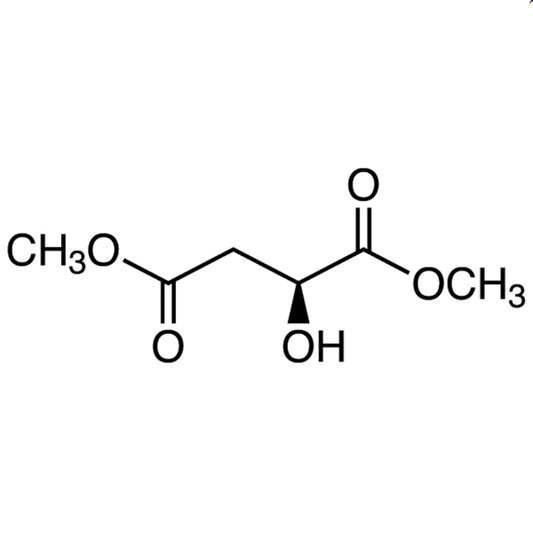
DimethylD-(+)-Malate TCI M1347
Regular price From Rp 3.075.450,00Regular price -
DimethylL-(-)-Malate TCI M1343
Regular price From Rp 795.900,00Regular price -
DiethylDL-Malate TCI M0024
Regular price From Rp 1.035.300,00Regular price -
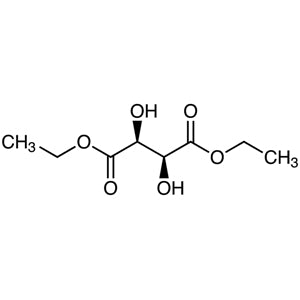
DiethylD-(-)-Tartrate TCI T1195
Regular price From Rp 1.115.100,00Regular price -
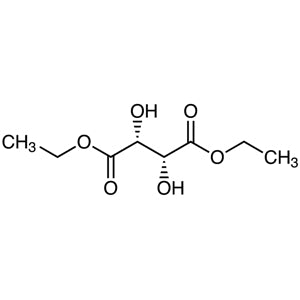
DiethylL-(+)-Tartrate TCI T0003
Regular price From Rp 610.050,00Regular price -
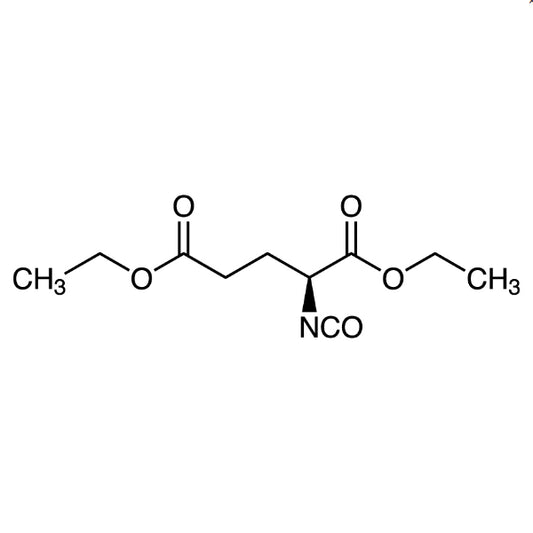
Diethyl(S)-(-)-2-Isocyanatoglutarate TCI I0468
Regular price From Rp 2.491.650,00Regular price -
SunitinibMalate TCI U0095
Regular price Rp 3.021.900,00Regular price