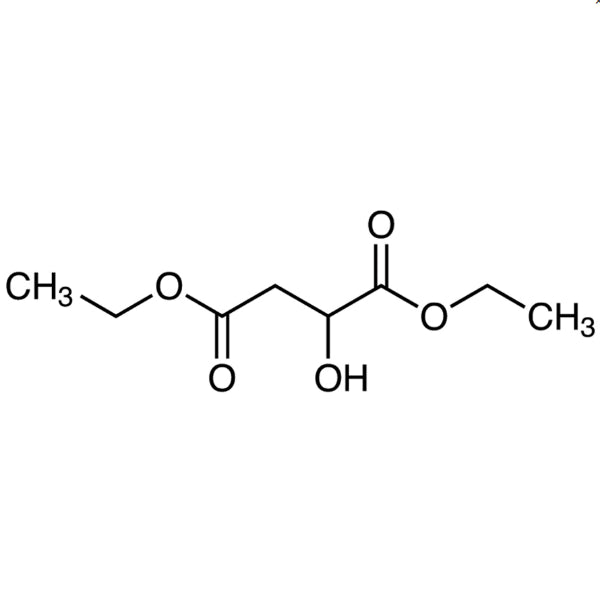
Diethyl DL-Malate (TCI M0024) is a chemical compound widely used in organic synthesis reactions within laboratory settings. It serves as a versatile building block for the creation of more complex organic molecules. This compound is commonly found in chemical laboratories as a foundational material for various synthetic processes. Its role is critical in enabling chemists to develop new compounds with specific structural and functional properties. Due to its reactivity and compatibility with a range of reagents, Diethyl DL-Malate is a key component in many synthetic pathways.
One of the main reasons Diethyl DL-Malate is preferred is its ability to participate in esterification and reduction reactions. These reactions are fundamental in organic chemistry, allowing for the modification of molecular structures in a controlled manner. The compound’s molecular structure is stable yet reactive, making it suitable for a variety of chemical transformations. Its reactivity ensures that it can be used in multiple synthetic applications without compromising the integrity of the final product. Additionally, its physical stability allows for safe handling and storage, which is essential in laboratory environments.
In Indonesian laboratories, Diethyl DL-Malate is frequently used in organic chemistry research, particularly in pharmaceutical and material science fields. It is an essential reagent in the synthesis of active compounds and functional materials. Its availability and reliability make it a go-to choice for researchers aiming to develop new chemical entities. The compound’s role in creating complex structures underscores its importance in both academic and industrial research settings.
Related TCI products
- Organic synthesis applications benefit from Diethyl DL-Malate due to its reactivity and compatibility with various reagents, enabling the creation of complex molecular structures.
- In pharmaceutical research, this compound is used to synthesize active pharmaceutical ingredients, contributing to drug development processes.
- Material science experiments often utilize Diethyl DL-Malate for the production of functional polymers and advanced materials with specific properties.
- It is suitable for esterification reactions, making it ideal for the synthesis of ester-based compounds in chemical laboratories.
- Reduction reactions in organic chemistry benefit from Diethyl DL-Malate’s ability to participate in controlled chemical transformations.
| Brand | TCI |
|---|---|
| CAS number | 7554-12-3 |
| Molecular formula | — |
| Purity | — |
| Category | Chemistry > Building Blocks > Non-Heterocyclic Building Blocks |
| Pack sizes | Available in various quantities as per supplier specifications |
| Physical form | Liquid |
| Storage | Store in a cool, dry place away from direct sunlight and incompatible materials |
Diethyl DL-Malate should be stored in a cool, dry environment to maintain its chemical stability. It is recommended to keep the compound in a sealed container to prevent exposure to air and moisture. Suitable containers include glass or high-density polyethylene (HDPE) bottles that are resistant to chemical reactions. Laboratory personnel should handle the compound with care, using appropriate personal protective equipment such as gloves and safety goggles. Due to its reactivity, it should be stored away from strong oxidizing agents and reactive metals. Proper labeling of storage containers is essential to ensure safe handling and prevent accidental exposure. Regular inspection of storage conditions is advised to maintain the integrity of the compound.
—
Produk Terkait
-
Diethyl2,2-Bis(hydroxymethyl)malonate TCI B1492
Regular price From Rp 3.021.900,00Regular price -
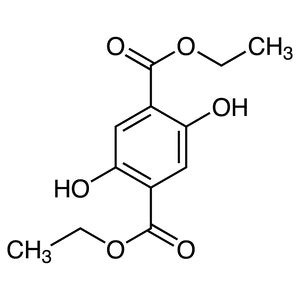
Diethyl2,5-Dihydroxyterephthalate TCI D6045
Regular price From Rp 2.359.350,00Regular price -
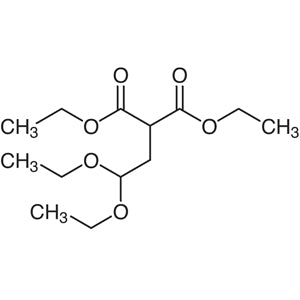
Diethyl3,3-Diethoxypropane-1,1-dicarboxylate TCI D2438
Regular price From Rp 1.803.900,00Regular price -
DisodiumDL-Malate TCI M0026
Regular price From Rp 505.050,00Regular price -
DimethylDL-Malate TCI M0025
Regular price Rp 2.041.200,00Regular price -
DibutylDL-Malate TCI M0023
Regular price Rp 1.829.100,00Regular price -
DiethylD-(+)-Malate TCI M1351
Regular price From Rp 1.326.150,00Regular price -
DiethylL-(-)-Malate TCI M1348
Regular price From Rp 769.650,00Regular price