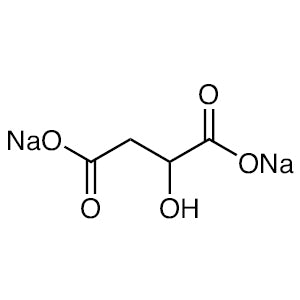
Disodium DL-Malate (TCI M0026) is a chemical compound widely used in laboratory experiments, particularly in organic synthesis and chemical analysis. As a fundamental building block, it serves as a carboxyl group donor and participates in various chemical reactions such as esterification, hydrolysis, and redox processes. This compound plays a crucial role in both pure and applied chemical research, supporting the development of pharmaceuticals, food additives, and industrial chemicals. Its molecular structure is stable, and its good water solubility make it versatile for use in a variety of reaction solutions. The solid form of Disodium DL-Malate also facilitates accurate weighing and handling in laboratory settings, enhancing its usability in both small and large-scale experiments.
Disodium DL-Malate is preferred due to its predictable chemical properties, which allow for precise experimental planning and control. Its stability under normal laboratory conditions ensures consistent performance in various applications. The compound’s solubility in water and its ability to participate in multiple reaction types make it a reliable choice for researchers. Additionally, its availability in solid form simplifies storage and measurement, making it ideal for routine laboratory use. These characteristics contribute to its popularity among chemists and researchers working in both academic and industrial environments.
In Indonesian laboratories, Disodium DL-Malate is commonly used in pure chemical research, qualitative analysis, and the synthesis of complex compounds. It is a valuable resource for universities, research institutions, and companies engaged in chemical development. Its versatility and reliability make it an essential component in the laboratory toolkit, supporting a wide range of scientific investigations and practical applications.
- Organic synthesis where carboxyl group donation is essential for compound formation.
- Chemical analysis requiring stable and predictable reagents for accurate results.
- Pharmaceutical research for the development of drug compounds and formulations.
- Food chemistry applications in the creation of food additives and flavor enhancers.
- Industrial chemical production for the manufacture of various chemical products.
| Brand | TCI |
|---|---|
| CAS number | 676-46-0 |
| Molecular formula | — |
| Purity | — |
| Category | Chemistry > Building Blocks > Non-Heterocyclic Building Blocks |
| Pack sizes | Available in standard laboratory quantities |
| Physical form | Solid |
| Storage | Store in a cool, dry place away from moisture and direct sunlight |
Disodium DL-Malate should be stored in a cool, dry place, away from moisture and direct sunlight to maintain its stability and prevent degradation. It is recommended to use airtight containers to protect the compound from humidity and contaminants. Due to its water solubility, it should be handled in a well-ventilated area to avoid inhalation of fine particles. Proper personal protective equipment, such as gloves and safety goggles, should be worn during handling to ensure safety. The compound is non-hazardous under normal conditions but should be treated with standard laboratory care to prevent accidental spills or contamination. Regular inspection of storage conditions is advised to ensure the integrity of the material remains intact.
—
Produk Terkait
-
DimethylDL-Malate TCI M0025
Regular price Rp 2.041.200,00Regular price -
DiethylDL-Malate TCI M0024
Regular price From Rp 1.035.300,00Regular price -
DibutylDL-Malate TCI M0023
Regular price Rp 1.829.100,00Regular price -
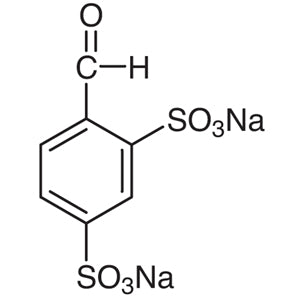
Disodium4-Formylbenzene-1,3-disulfonate TCI B0008
Regular price Rp 1.431.150,00Regular price -
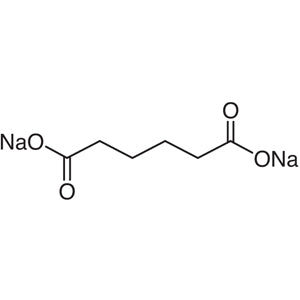
DisodiumAdipate TCI A0592
Regular price From Rp 1.803.900,00Regular price -
DisodiumTerephthalate TCI T1097
Regular price From Rp 1.510.950,00Regular price -
Tetrahydroxy-1,4-benzoquinoneDisodiumSalt TCI T0122
Regular price From Rp 1.115.100,00Regular price -
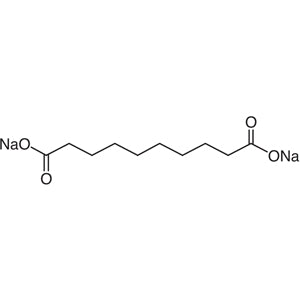
DisodiumSebacate TCI S0270
Regular price From Rp 848.400,00Regular price