TCI M1372, CAS 65826-95-1, is 5-Methylindoline, the reduced form of 5-methylindole in which the double bond of the pyrrole ring has been saturated to give a dihydroindole skeleton bearing a cyclic secondary amine. The compound is a heterocyclic building block widely used in medicinal chemistry synthesis, since the indoline framework appears in a number of drug molecules and natural products. In the laboratory it serves as a starting material for the formation of amides, sulfonamides and N-alkyl derivatives, and equally as a precursor to substituted indole systems through controlled dehydrogenation.
The characteristic that makes this compound a preferred choice is the presence of a secondary amine nitrogen that is far more nucleophilic and basic than the nitrogen of an aromatic indole. That nitrogen is readily acylated, sulfonylated or alkylated under mild reaction conditions, offering a clean and predictable functionalisation pathway. The saturated five-membered ring presents a three-dimensional geometry distinct from the flat indole, a difference frequently exploited to raise the sp3 character of drug candidate molecules. The methyl group at the five position adds electron-donating character to the aromatic ring.
In Indonesian laboratories this material is typically handled on a research and development scale, in university synthetic chemistry groups, pharmaceutical formulation laboratories and contract research facilities working on medicinal chemistry programmes. It is generally used in small quantities for exploratory route development, intermediate preparation and analytical reference work rather than in bulk production, which makes the smaller pack sizes offered by TCI well suited to the working pattern of these laboratories.
- Medicinal chemistry building block synthesis, where the indoline skeleton is incorporated directly into candidate molecules because that framework already occurs in a number of established drug molecules and natural products.
- Amide formation, in which the secondary amine nitrogen is acylated under mild reaction conditions to give clean and predictable products without the harsh activation an aromatic indole nitrogen would demand.
- Sulfonamide preparation, taking advantage of the same nucleophilic secondary amine nitrogen that undergoes sulfonylation readily and allows a straightforward, reproducible functionalisation route for derivative libraries.
- N-alkyl derivative preparation, since the basic nitrogen of the dihydroindole ring is alkylated under mild conditions, giving access to a broad family of substituted analogues.
- Precursor work toward substituted indole systems through controlled dehydrogenation, where the saturated pyrrole ring is reoxidised to deliver the corresponding aromatic indole framework.
| Brand | TCI |
|---|---|
| CAS number | 65826-95-1 |
| Molecular formula | — |
| Purity | — |
| Category | Chemistry > Building Blocks > Heterocyclic Building Blocks |
| Pack sizes | available in the standard TCI catalogue pack sizes; please confirm the size required when ordering |
| Physical form | — |
| Storage | store in a tightly closed container in a cool, dry and well ventilated place |
- Chemical name: 5-Methylindoline
Store the container tightly closed in a cool, dry and well ventilated area, away from direct sunlight, heat sources and incompatible materials such as strong oxidising agents. Keep the material in its original supplier container, or in a chemically compatible sealed container that is clearly labelled with the product name and CAS number. Handle in a fume hood using standard laboratory protective equipment, including safety glasses, chemical resistant gloves and a laboratory coat. Avoid contact with skin and eyes and avoid breathing any vapour. Close the container promptly after weighing or transferring material, and consult the manufacturer's safety data sheet before first use and before disposal of residues.
—
Produk Terkait
-
1-Methylindoline TCI M3620
Regular price Rp 6.306.300,00Regular priceRp 4.425.750,00Sale price Rp 6.306.300,00 -
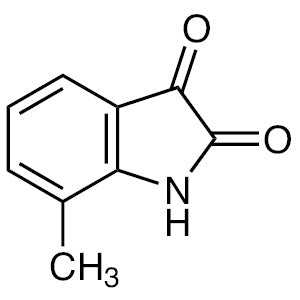
7-Methylindoline-2,3-dione TCI M3428
Regular price Rp 2.702.700,00Regular priceRp 1.905.750,00Sale price Rp 2.702.700,00 -
2-Methylindoline TCI M0871
Regular price Rp 1.326.150,00Regular priceRp 942.900,00Sale price Rp 1.326.150,00 -
1-Methylindolin-2-one TCI M3481
Regular price Rp 1.405.950,00Regular priceRp 998.550,00Sale price Rp 1.405.950,00 -
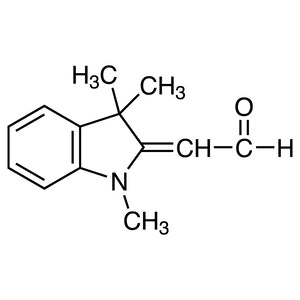
2-(1,3,3-Trimethylindolin-2-ylidene)acetaldehyde TCI T2235
Regular price Rp 955.500,00Regular priceRp 683.550,00Sale price Rp 955.500,00 -
5-Amino-2-methylindole TCI A1539
Regular price Rp 1.405.950,00Regular priceRp 998.550,00Sale price Rp 1.405.950,00 -
4-Methylindole TCI M1745
Regular price Rp 1.351.350,00Regular priceRp 960.750,00Sale price Rp 1.351.350,00 -
7-Methylindole TCI M1702
Regular price Rp 875.700,00Regular priceRp 627.900,00Sale price Rp 875.700,00