3-Methylbenzofuran-2-carboxylic Acid is a versatile organic compound widely used in laboratory settings for its unique chemical structure and reactivity. As a heterocyclic building block, it plays a crucial role in the synthesis of complex organic molecules, particularly in the development of bioactive compounds. This compound is essential for researchers working in organic chemistry, pharmacology, and materials science due to its ability to participate in various chemical reactions. Its presence in synthetic pathways allows for the creation of novel structures with potential applications in pharmaceutical and industrial chemistry.
The compound's stability and reactivity under controlled conditions make it a preferred choice for synthetic chemists. Its molecular structure, containing a benzofuran ring, provides a stable backbone that can be modified through functional group substitutions. This adaptability allows it to be used in substitution and condensation reactions, making it a valuable reagent in the synthesis of heterocyclic compounds. The compound’s ability to interact with multiple functional groups enhances its utility in diverse chemical processes, supporting the development of new materials and drug candidates.
In Indonesian laboratories, 3-Methylbenzofuran-2-carboxylic Acid is commonly used in research related to organic chemistry, pharmaceutical development, and materials science. Researchers rely on its structural versatility to design and synthesize compounds with specific biological activities. Its availability in various packaging options ensures ease of use in both small-scale and larger laboratory applications, supporting a wide range of experimental needs.
- Organic synthesis is enhanced by this compound due to its heterocyclic structure and reactivity, enabling the creation of complex molecules.
- Pharmaceutical research benefits from its potential in developing bioactive compounds, supporting drug discovery efforts.
- Materials science applications leverage its stability and chemical versatility for the synthesis of advanced materials.
- Functional group modification in synthetic pathways is facilitated by its ability to participate in substitution and condensation reactions.
- Structural building blocks for heterocyclic compounds are efficiently synthesized using this reagent in laboratory settings.
| Brand | TCI |
|---|---|
| CAS number | 24673-56-1 |
| Molecular formula | — |
| Purity | — |
| Category | Chemistry > Building Blocks > Heterocyclic Building Blocks |
| Pack sizes | Available in various packaging options for laboratory use |
| Physical form | Solid (exact form may vary depending on supplier) |
| Storage | Store in a cool, dry place away from light and moisture |
This compound should be stored in a cool, dry environment, away from direct sunlight and moisture to maintain its chemical stability. It is recommended to use airtight containers to prevent exposure to air and humidity, which could affect its reactivity. Proper ventilation is essential when handling the compound to minimize inhalation risks. Laboratory personnel should wear appropriate personal protective equipment, such as gloves and safety goggles, to ensure safe handling. The compound should not be stored near incompatible materials, such as strong oxidizers or acids, to prevent potential chemical interactions. Regular monitoring of storage conditions ensures the compound remains suitable for use in research applications.
—
Produk Terkait
-
2-Methylbenzofuran TCI M3413
Regular price From Rp 1.140.300,00Regular price -
3-Methylbenzofuran TCI M2112
Regular price From Rp 2.809.800,00Regular price -
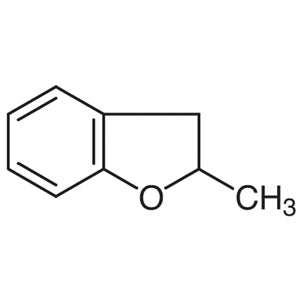
2,3-Dihydro-2-methylbenzofuran TCI D1537
Regular price From Rp 3.683.400,00Regular price -
2-Butylbenzofuran TCI B1824
Regular price From Rp 1.856.400,00Regular price -
Xanthene-9-carboxylicAcid TCI X0031
Regular price From Rp 1.008.000,00Regular price -
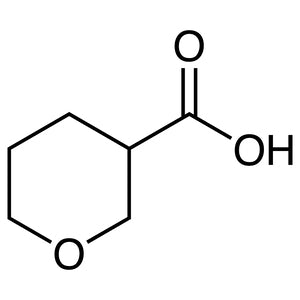
Tetrahydro-2H-pyran-3-carboxylicAcid TCI T4166
Regular price From Rp 1.405.950,00Regular price -
Tetrahydro-2H-pyran-2-carboxylicAcid TCI T4112
Regular price From Rp 1.565.550,00Regular price -
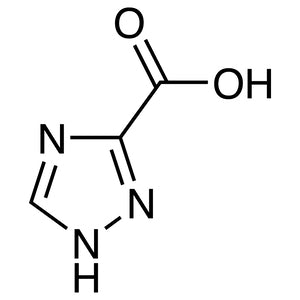
1H-1,2,4-Triazole-3-carboxylicAcid TCI T3824
Regular price From Rp 2.942.100,00Regular price