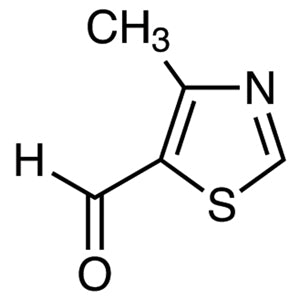
TCI M1812 4-Methylthiazole-5-carboxaldehyde is a heterocyclic compound that combines a five-membered thiazole ring containing both nitrogen and sulfur atoms with a reactive aldehyde group at the five position and a methyl group at the four position. This combination makes it a highly useful heterocyclic building block in organic synthesis laboratories, because researchers obtain a fully formed thiazole core together with an aldehyde functional group that is ready for further elaboration. The thiazole framework itself is a structural motif frequently encountered in bioactive compounds, so a starting material of this kind saves a considerable number of synthetic steps.
The property that makes this compound a preferred choice is the high yet controlled reactivity of the aldehyde on a heteroaromatic ring. The aldehyde carbonyl group is open to reductive amination, aldol condensation, Wittig reactions, imine formation, and oxidation to the carboxylic acid or reduction to the corresponding benzylic alcohol. The thiazole ring imparts distinctive electronic character that influences polarity, solubility in common organic solvents, and coordinating ability, while the methyl group at the adjacent position provides a steric arrangement that helps direct selectivity in subsequent transformations.
In Indonesian laboratories, this building block is typically used in university research groups, pharmaceutical and agrochemical discovery programmes, and contract synthesis facilities where heterocyclic scaffolds are assembled routinely. It suits bench-scale exploratory synthesis, methodology development, and the preparation of intermediates for further screening, allowing chemists to begin work from an established thiazole core rather than constructing the ring system from simpler precursors under conditions that would otherwise demand additional time and equipment.
Related TCI products
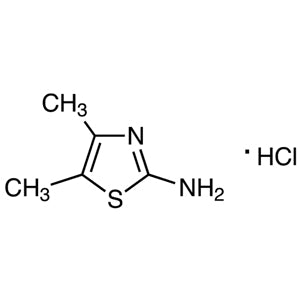
- TCI A0292 71574-33-9 2-Amino-4,5-dimethylthiazole Hydrochloride
- TCI A0336 6142-15-0 2-Amino-4-methylthiazole Hydrochloride
- TCI B1940 4209-18-1 3-Benzyl-4-methylthiazolium Chloride
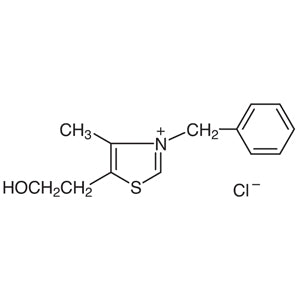
- TCI B1224 4568-71-2 3-Benzyl-5-(2-hydroxyethyl)-4-methylthiazolium Chloride
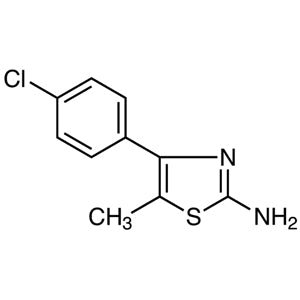
- TCI A3066 82632-77-7 2-Amino-4-(4-chlorophenyl)-5-methylthiazole
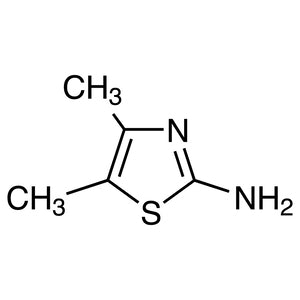
- TCI A2916 2289-75-0 4,5-Dimethylthiazol-2-amine
- Reductive amination routes: the free aldehyde condenses cleanly with primary and secondary amines, giving direct access to aminomethyl-thiazole derivatives without any need to build the heterocyclic ring first.
- Wittig and olefination chemistry: the aldehyde carbonyl reacts with phosphorus ylides to install alkene linkages, extending the carbon framework outward from the thiazole core in a single controlled step.
- Imine and Schiff base formation: condensation with amines yields imine ligands whose thiazole nitrogen and sulfur atoms can further participate in coordination chemistry and metal complex preparation studies.
- Aldol and related condensation work: the reactive aldehyde serves as the electrophilic partner in carbon-carbon bond forming condensations, useful for methodology development and chain extension in research settings.
- Oxidation and reduction handling: the aldehyde converts readily to the corresponding carboxylic acid or to the benzylic alcohol, giving researchers two additional functional handles from one starting material.
| Brand | TCI (Tokyo Chemical Industry) |
|---|---|
| CAS number | 82294-70-0 |
| Molecular formula | — |
| Purity | — |
| Category | Chemistry > Building Blocks > Heterocyclic Building Blocks |
| Pack sizes | available in standard research and laboratory quantities; please refer to the current catalogue listing for available options |
| Physical form | — |
| Storage | store in a cool, well-ventilated area in a tightly closed original container |
- Chemical Name: 4-Methylthiazole-5-carboxaldehyde
Store the container tightly closed in a cool, dry, and well-ventilated place away from direct sunlight, heat sources, and incompatible materials such as strong oxidising agents. Aldehyde-bearing compounds are generally sensitive to air and moisture over time, so keep the original supplier packaging sealed between uses and consider an inert atmosphere for long-term storage. Handle in a fume hood using appropriate personal protective equipment, including safety goggles, nitrile gloves, and a laboratory coat. Avoid inhalation of vapours and direct contact with skin or eyes. Transfer with clean, dry glassware or compatible chemically resistant equipment, label all secondary containers clearly, and always consult the manufacturer's Safety Data Sheet before use and disposal.
—
Produk Terkait
-
2-Amino-4,5-dimethylthiazoleHydrochloride TCI A0292
Regular price From Rp 505.050,00Regular price -
2-Amino-4-methylthiazoleHydrochloride TCI A0336
Regular price From Rp 1.326.150,00Regular price -
3-Benzyl-4-methylthiazoliumChloride TCI B1940
Regular price Rp 2.995.650,00Regular price -
3-Benzyl-5-(2-hydroxyethyl)-4-methylthiazoliumChloride TCI B1224
Regular price Rp 2.227.050,00Regular price -
2-Amino-4-(4-chlorophenyl)-5-methylthiazole TCI A3066
Regular price From Rp 1.035.300,00Regular price -
4,5-Dimethylthiazol-2-amine TCI A2916
Regular price From Rp 1.220.100,00Regular price -
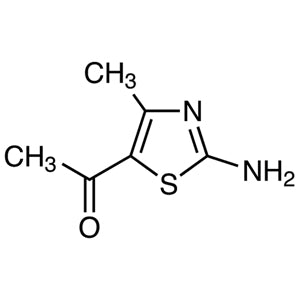
5-Acetyl-2-amino-4-methylthiazole TCI A2887
Regular price From Rp 769.650,00Regular price -
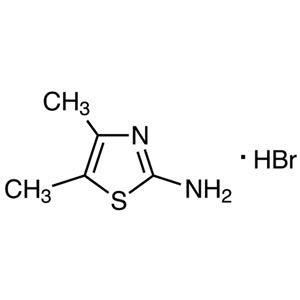
2-Amino-4,5-dimethylthiazoleHydrobromide TCI A2062
Regular price From Rp 1.273.650,00Regular price