Methyl 3-Chloro-2,2,3,3-tetrafluoropropionate from TCI, catalogue code M1902, is a fluorinated ester that carries four fluorine atoms together with one chlorine atom on its short propionate chain. The compound belongs to the class of fluorinated building blocks, meaning starting materials designed to transfer a fluorine-rich fragment into a target molecule. In the laboratory, materials of this kind are highly valuable because forming carbon–fluorine bonds directly is often difficult and expensive, so it is far more practical to begin a synthesis from a skeleton that already contains fluorine from the outset.
The characteristic that makes this reagent a preferred choice is the combination of two distinct reactive sites within a single molecule. The methyl ester group can be hydrolysed, reduced, or converted into amides and fluorinated alcohols, while the chlorine atom at the end of the chain provides a site for substitution as well as further transformation. The fluorine atoms adjacent to the ester group also strongly increase the electron-withdrawing character of the molecule, so that its carbonyl carbon becomes more electrophilic and its reactivity toward nucleophiles is enhanced. The tetrafluoro fragment on the chain contributes to lipophilicity and metabolic stability.
In Indonesian laboratories, a reagent of this type is typically used in synthetic organic chemistry groups at universities and research institutes, as well as in industrial research units that develop fluorinated intermediates. It is generally handled at bench scale within a fume hood, as part of multi-step synthetic routes where a fluorine-rich fragment must be introduced into a larger target structure. Its dual reactivity makes it a convenient entry point for route planning when direct fluorination is not a practical option.
Related TCI products
- Introduction of fluorine-rich fragments into target molecules, since the tetrafluoro chain is already present and removes the need for difficult and costly direct carbon–fluorine bond formation steps.
- Preparation of fluorinated amides through reaction of the methyl ester with amine nucleophiles, a transformation favoured by the strongly electrophilic carbonyl carbon adjacent to the fluorine atoms.
- Synthesis of fluorinated alcohols by reduction of the methyl ester group, giving access to fluorine-containing intermediates that retain the full tetrafluoro fragment of the original chain.
- Substitution chemistry at the terminal chlorine atom, which provides a second and independent reactive site for chain extension or further functional group transformation within a synthetic route.
- Building block work in medicinal and materials chemistry research, where the tetrafluoro fragment is incorporated to contribute lipophilicity and metabolic stability to the resulting target compounds.
| Brand | TCI, catalogue code M1902 |
|---|---|
| CAS number | 127589-63-3 |
| Molecular formula | — |
| Purity | — |
| Category | Chemistry > Building Blocks > Fluorinated Building Blocks |
| Pack sizes | available in standard TCI research packaging; please confirm the required size when ordering |
| Physical form | — |
| Storage | keep in a tightly closed original container, in a cool and well-ventilated chemical store |
- Chemical class: fluorinated ester, fluorinated building block
Store the container tightly closed in a cool, dry and well-ventilated area reserved for organic chemical reagents, away from heat sources, direct sunlight and incompatible materials. Keep the product in its original supplier container or in an equivalent chemically resistant vessel with a secure closure, and label all working aliquots clearly. All handling, transfer and weighing should be carried out in a functioning fume hood with appropriate personal protective equipment, including safety glasses, a laboratory coat and suitable chemically resistant gloves. As with all ester reagents, minimise exposure to moisture during handling, and return the container to its designated storage location promptly after use. Always consult the manufacturer safety data sheet before first use.
—
Produk Terkait
-
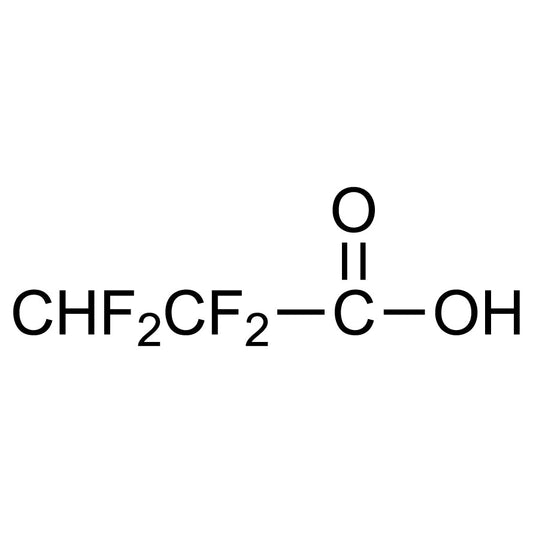
2,2,3,3-TetrafluoropropionicAcid TCI T1777
Regular price Rp 3.472.350,00Regular price -
3,3,3-TrifluoropropionicAcid TCI T1713
Regular price From Rp 1.115.100,00Regular price -
MethylPentafluoropropionate TCI P1352
Regular price From Rp 1.008.000,00Regular price -
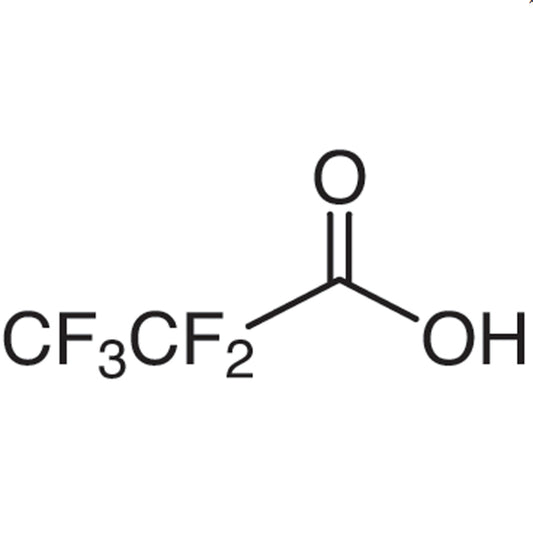
PentafluoropropionicAcid TCI P1125
Regular price From Rp 2.094.750,00Regular price -
EthylPentafluoropropionate TCI P1123
Regular price From Rp 505.050,00Regular price -
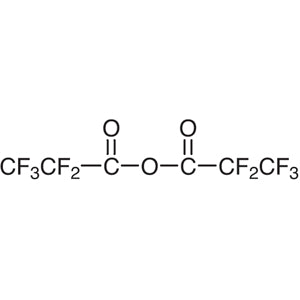
PentafluoropropionicAnhydride TCI P0566
Regular price From Rp 1.008.000,00Regular price -
Methyl3,3,3-Trifluoropropionate TCI M2783
Regular price From Rp 2.227.050,00Regular price -
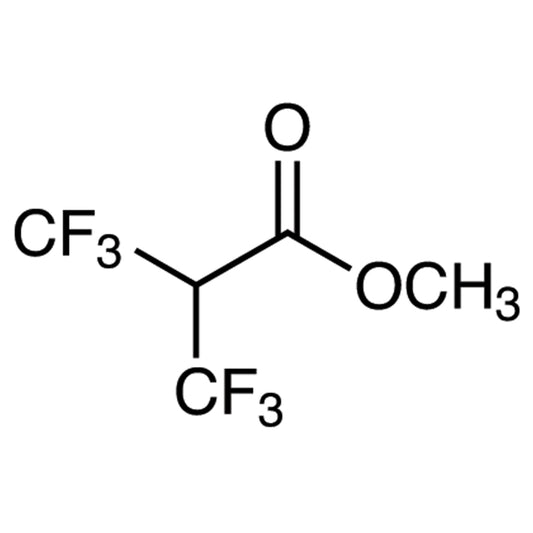
Methyl2-(Trifluoromethyl)-3,3,3-trifluoropropionate TCI M2496
Regular price From Rp 2.625.000,00Regular price