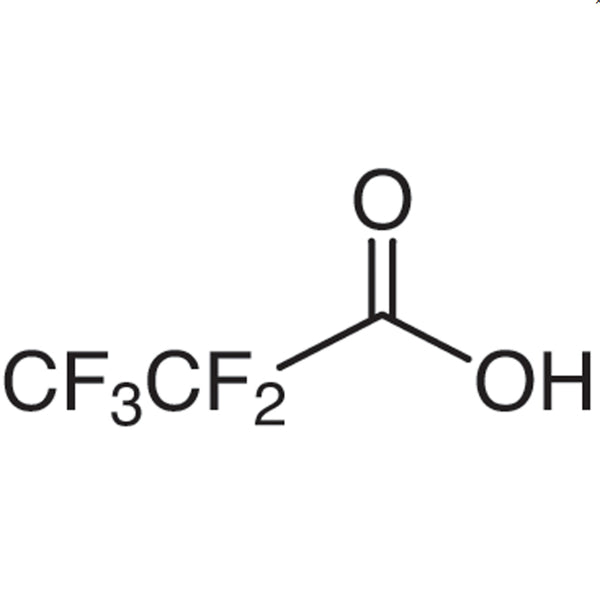
Pentafluoropropionic Acid (PFPA) is a chemical compound widely used in laboratory settings, particularly in the synthesis of organofluorine compounds. It plays a crucial role in organic chemistry due to its unique fluorinated structure, which provides functional groups with high reactivity and stability. This compound is essential for creating molecules with specific chemical properties, such as low polarity and controlled solubility, making it a key reagent in various chemical processes. Its versatility allows it to be applied in multiple scientific fields, from pharmaceutical development to industrial chemical production.
PFPA is valued for its chemical reactivity and stability under specific conditions. The presence of multiple fluorine atoms in its molecular structure enhances its ability to form stable and reactive intermediates during chemical reactions. This makes it an ideal choice for researchers seeking to develop complex molecules with tailored properties. Additionally, its ability to participate in a wide range of chemical reactions, such as esterification and amidation, further solidifies its importance in synthetic chemistry. These properties make PFPA a preferred reagent in laboratories that require high reactivity and specificity.
In Indonesian laboratories, PFPA is commonly used in research and development projects related to pharmaceuticals, materials science, and environmental chemistry. Its role in synthesizing compounds with specific functional groups is critical for advancing scientific studies. Due to its reactivity and the ability to form specific chemical bonds, PFPA is a go-to compound for scientists aiming to create new materials or compounds with unique properties.
TCI brochures (PDF)
- Fluorous Chemistry 2025-01-21 · p. 6
- Fluorination Reagents, Fluorinated Building Blocks 2026-03-18 · p. 54
Related TCI products
- Pharmaceutical research for synthesizing fluorinated drug molecules due to its reactivity and ability to form stable intermediates.
- Industrial chemical production where controlled solubility and low polarity are required for specific applications.
- Materials science experiments involving the development of fluorinated polymers and coatings for enhanced chemical resistance.
- Environmental studies focusing on the behavior of fluorinated compounds in different ecosystems and their stability.
- Organic synthesis projects requiring the introduction of fluorine atoms into complex molecular structures for enhanced functionality.
| Brand | TCI |
|---|---|
| CAS number | 422-64-0 |
| Molecular formula | — |
| Purity | — |
| Category | Chemistry > Building Blocks > Fluorinated Building Blocks |
| Pack sizes | Available in various quantities as per standard laboratory supply options |
| Physical form | Liquid |
| Storage | Store in a cool, dry place away from direct sunlight and incompatible materials |
Pentafluoropropionic Acid should be stored in a cool, dry environment, away from direct sunlight and sources of heat. It is recommended to use sealed, corrosion-resistant containers such as glass or high-density polyethylene to prevent contamination and degradation. Due to its corrosive nature, it is essential to handle PFPA with appropriate personal protective equipment, including gloves, goggles, and a lab coat. In case of spills, neutralizing agents should be used as per standard safety protocols. Proper ventilation is necessary to minimize exposure to vapors, and it should never be stored near incompatible substances like strong bases or oxidizers. Always follow standard laboratory safety procedures when working with this reactive chemical.
—
Produk Terkait
-
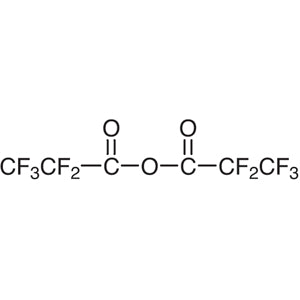
PentafluoropropionicAnhydride TCI P0566
Regular price From Rp 1.008.000,00Regular price -
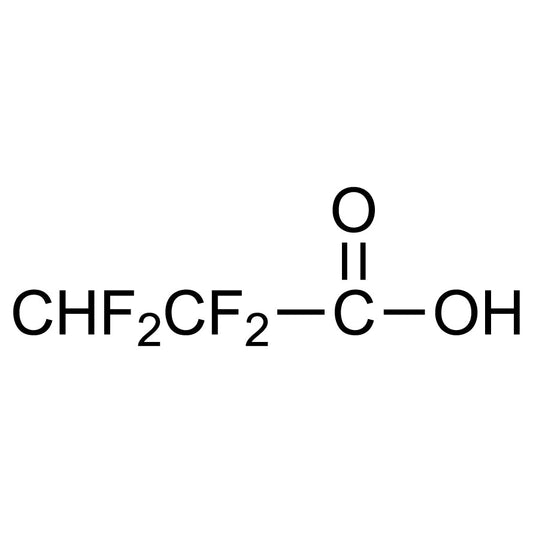
2,2,3,3-TetrafluoropropionicAcid TCI T1777
Regular price Rp 3.472.350,00Regular price -
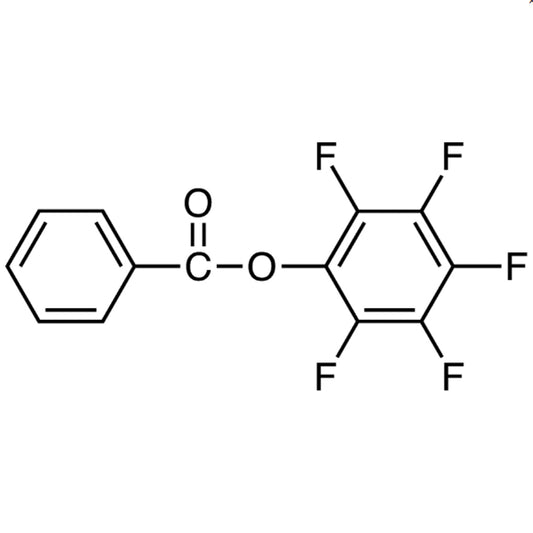
PentafluorophenylBenzoate TCI P2229
Regular price From Rp 1.326.150,00Regular price -
MethylPentafluoropropionate TCI P1352
Regular price From Rp 1.008.000,00Regular price -
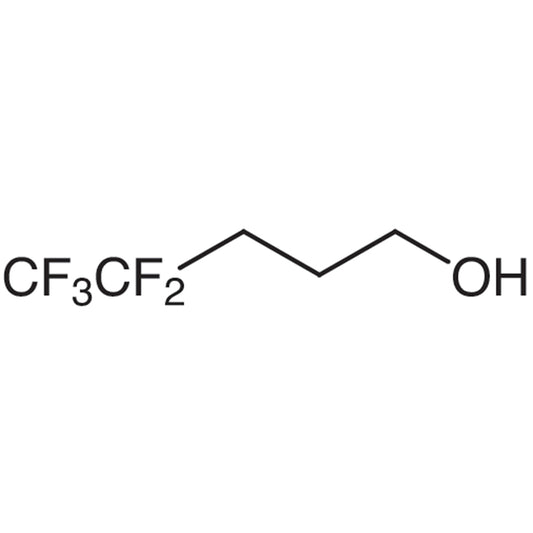
4,4,5,5,5-Pentafluoro-1-pentanol TCI P1342
Regular price From Rp 1.856.400,00Regular price -
EthylPentafluoropropionate TCI P1123
Regular price From Rp 505.050,00Regular price -
PentafluorophenylaceticAcid TCI P1004
Regular price Rp 1.590.750,00Regular price -
Pentafluorobenzonitrile TCI P0935
Regular price From Rp 1.035.300,00Regular price