Ethyl Pentafluoropropionate is a chemical compound widely used in organic reactions and the synthesis of complex molecules. As a fluorinated building block, it plays a crucial role in chemical research, pharmaceutical development, and material science. Its unique chemical structure, featuring multiple fluorine atoms attached to a carbon chain, makes it a valuable reagent for constructing fluorinated compounds. This compound is particularly useful in creating molecules with enhanced stability and specific molecular interactions, which are essential in advanced chemical applications.
The compound’s fluorinated structure provides it with specific reactivity and selectivity, enabling more targeted and efficient chemical reactions. Its chemical properties allow it to participate in a variety of synthetic pathways, making it a preferred choice for researchers aiming to develop new compounds. The presence of fluorine also contributes to the compound’s stability and resistance to degradation, which is beneficial in long-term storage and use in laboratory settings. These properties make it a reliable and versatile reagent in both academic and industrial research environments.
In Indonesian laboratories, Ethyl Pentafluoropropionate is commonly used in scientific research focused on the synthesis of new compounds and the development of innovative materials. Its unique chemical properties make it an essential component in studies related to organofluorine chemistry, which has applications in pharmaceuticals, polymer science, and other advanced chemical fields. Researchers in Indonesia rely on this compound to explore the potential of fluorinated molecules in various scientific disciplines.
Related TCI products
- Organic synthesis applications benefit from Ethyl Pentafluoropropionate due to its reactivity and ability to form stable fluorinated intermediates.
- Fluorinated compound development relies on this reagent for creating molecules with unique properties and enhanced chemical stability.
- Pharmaceutical research utilizes the compound to design and synthesize novel drug candidates with improved bioavailability and efficacy.
- Material science applications leverage its structure for the creation of advanced polymers and specialty materials with specific functional properties.
- Chemical research in Indonesia uses this compound to explore new synthetic pathways and expand the range of fluorinated compounds available for study.
| Brand | TCI |
|---|---|
| CAS number | 426-65-3 |
| Molecular formula | — |
| Purity | — |
| Category | Chemistry > Building Blocks > Fluorinated Building Blocks |
| Pack sizes | Available in various quantities as per supplier specifications |
| Physical form | Liquid |
| Storage | Store in a cool, dry place away from light and incompatible materials |
Ethyl Pentafluoropropionate should be stored in a cool, dry environment, away from direct sunlight and sources of heat. It is recommended to use airtight containers made of materials compatible with fluorinated compounds, such as glass or high-density polyethylene. The compound should be kept in a well-ventilated area to minimize exposure to vapors. Due to its chemical reactivity, it should be handled with appropriate personal protective equipment, including gloves and safety goggles. Regular monitoring of storage conditions is essential to maintain the integrity and safety of the compound in the laboratory.
—
Produk Terkait
-
MethylPentafluoropropionate TCI P1352
Regular price From Rp 1.008.000,00Regular price -
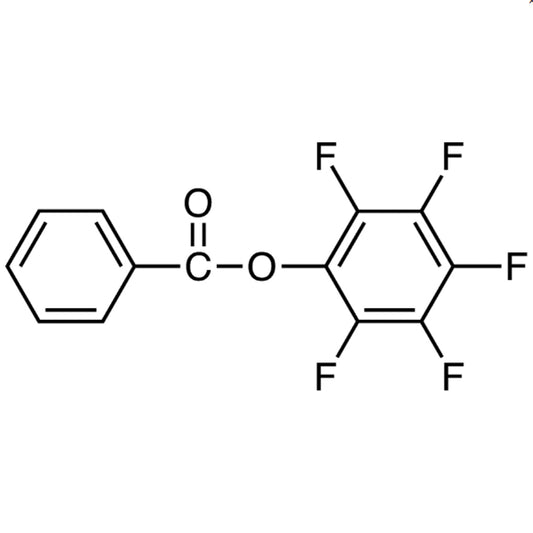
PentafluorophenylBenzoate TCI P2229
Regular price From Rp 1.326.150,00Regular price -
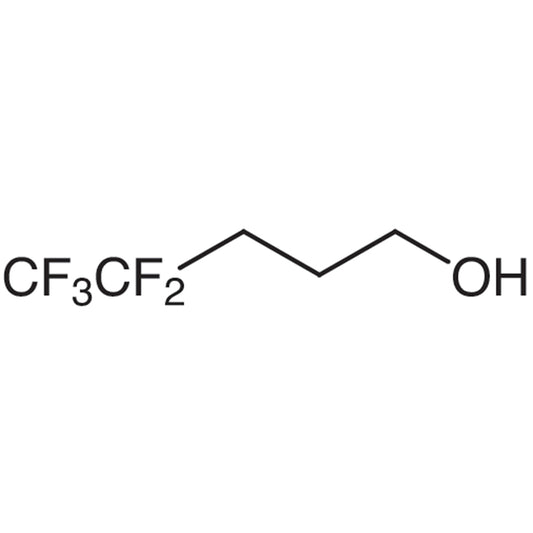
4,4,5,5,5-Pentafluoro-1-pentanol TCI P1342
Regular price From Rp 1.856.400,00Regular price -
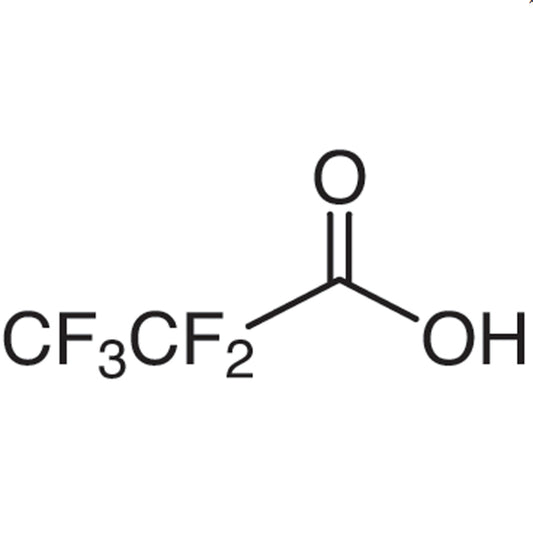
PentafluoropropionicAcid TCI P1125
Regular price From Rp 2.094.750,00Regular price -
PentafluorophenylaceticAcid TCI P1004
Regular price Rp 1.590.750,00Regular price -
Pentafluorobenzonitrile TCI P0935
Regular price From Rp 1.035.300,00Regular price -
1-(Pentafluorophenyl)ethanol TCI P0925
Regular price Rp 1.670.550,00Regular price -
2,2,3,3,3-Pentafluoro-1-propanol TCI P0845
Regular price Rp 1.696.800,00Regular price