TCI M2081 63598-32-3, Methyl 4,6-O-Benzylidene-2-deoxy-alpha-D-erythro-hexopyranosid-3-ulose Oxime, is a specialized chemical compound used in advanced laboratory research. It belongs to the glycoscience category and is commonly employed in chemical biology for its unique structural properties. This compound is a derivative of a hexopyranoside with an oxime group, making it valuable for studying carbohydrate-based interactions and molecular recognition. Its role in the laboratory is primarily as a building block for synthesizing complex organic molecules, particularly those related to glycosidic structures.
The compound is preferred due to its stable molecular structure and high reactivity under controlled conditions. Its chemical properties allow it to participate in a variety of synthetic reactions, making it a versatile reagent in organic chemistry. The presence of the oxime group enhances its ability to form specific interactions with proteins and enzymes, which is critical in biochemical studies. Additionally, its compatibility with analytical techniques such as NMR and mass spectrometry makes it ideal for structural characterization and compound identification.
In Indonesian laboratories, this compound is frequently used in research focused on pure chemistry and biochemistry. Scientists and researchers in academic and research institutions rely on it to explore the mechanisms of chemical reactions and molecular interactions. Its application spans across various disciplines, including pharmaceutical development and molecular biology, where precise chemical tools are essential. The compound's specific structure enables detailed analysis and contributes to the advancement of scientific knowledge in these fields.
TCI brochures (PDF)
Related TCI products
- TCI T1733 68733-20-0 1,3,4,6-Tetra-O-acetyl-2-azido-2-deoxy-alpha-D-mannopyranose
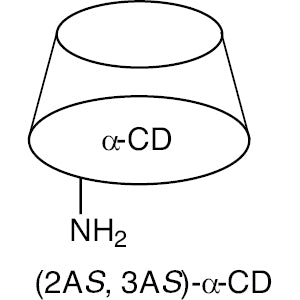
- TCI A2122 121916-94-7 3A-Amino-3A-deoxy-(2AS,3AS)-alpha-cyclodextrin
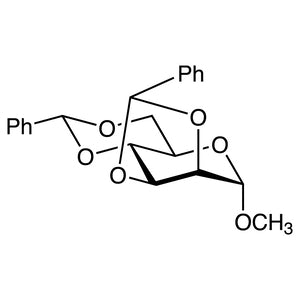
- TCI M2061 4148-71-4 Methyl 2,3:4,6-Di-O-benzylidene-alpha-D-mannopyranoside
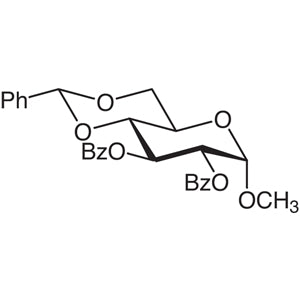
- TCI M2013 6748-91-0 Methyl 2,3-Di-O-benzoyl-4,6-O-benzylidene-alpha-D-glucopyranoside
- TCI M1125 3162-96-7 Methyl 4,6-O-Benzylidene-alpha-D-glucopyranoside
- TCI D4594 97614-43-2 2-Deoxy-2-fluoro-1,3,5-tri-O-benzoyl-alpha-D-arabinofuranose
- Glycoscience Research - This compound is ideal for studying carbohydrate-based molecular interactions due to its unique structural features and reactivity.
- Organic Synthesis - Its stable molecular framework and reactivity make it a preferred reagent for synthesizing complex organic compounds.
- Biochemical Analysis - The compound's ability to interact with proteins and enzymes makes it valuable in biochemical assays and enzyme studies.
- Structural Characterization - Its compatibility with NMR and mass spectrometry allows for accurate identification and analysis of molecular structures.
- Pharmaceutical Development - The compound's role in synthesizing glycosidic structures supports research into drug development and molecular targeting.
| Brand | TCI |
|---|---|
| CAS number | 63598-32-3 |
| Molecular formula | — |
| Purity | — |
| Category | Chemistry > Chemical Biology > Glycoscience |
| Pack sizes | — |
| Physical form | — |
| Storage | Store in a cool, dry place away from light and moisture |
This compound should be stored in a cool, dry environment, away from direct light and moisture to maintain its stability and prevent degradation. It is recommended to use airtight containers to minimize exposure to air and moisture. Due to its chemical reactivity, it should be handled with appropriate personal protective equipment, such as gloves and safety goggles, to ensure laboratory safety. Proper ventilation is essential when working with this compound to avoid inhalation of vapors. It is important to follow standard laboratory safety protocols to prevent any potential hazards during handling and use.
—
Produk Terkait
-
1,3,4,6-Tetra-O-acetyl-2-azido-2-deoxy-alpha-D-mannopyranose TCI T1733
Regular price Rp 5.460.000,00Regular price -
3A-Amino-3A-deoxy-(2AS,3AS)-alpha-cyclodextrin TCI A2122
Regular price From Rp 3.075.450,00Regular price -
Methyl2,3:4,6-Di-O-benzylidene-alpha-D-mannopyranoside TCI M2061
Regular price From Rp 3.048.150,00Regular price -
Methyl2,3-Di-O-benzoyl-4,6-O-benzylidene-alpha-D-glucopyranoside TCI M2013
Regular price Rp 3.763.200,00Regular price -
Methyl4,6-O-Benzylidene-alpha-D-glucopyranoside TCI M1125
Regular price From Rp 1.140.300,00Regular price -
2-Deoxy-2-fluoro-1,3,5-tri-O-benzoyl-alpha-D-arabinofuranose TCI D4594
Regular price From Rp 1.405.950,00Regular price -
L-glycero-alpha-D-manno-Heptopyranose1,2,3,4,6,7-Hexaacetate TCI H1657
Regular price From Rp 1.670.550,00Regular price -
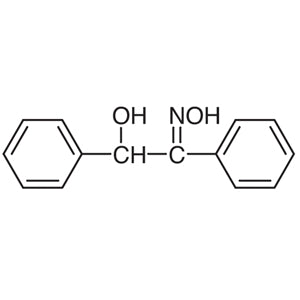
alpha-BenzoinOxime TCI B0081
Regular price From Rp 1.193.850,00Regular price