Methyl 2,3-Di-O-benzoyl-4,6-O-benzylidene-alpha-D-glucopyranoside is a complex chemical compound used in laboratory research related to glycoscience and biochemical studies. This compound is derived from glucose and modified with benzoyl and benzylidene groups, making it a valuable tool in molecular modification and structural analysis. Its unique structure allows it to serve as a substrate or reagent in various chemical reactions, particularly those involving glycosidic bond formation and modification. Due to its chemical stability under controlled conditions, it is widely used in high-precision laboratory environments where accuracy and consistency are essential.
The compound’s chemical properties, including its stability and defined molecular structure, make it a preferred choice for researchers working in glycoscience and chemical biology. Its high purity ensures reliable results in experiments requiring reproducibility and precision. The presence of multiple functional groups also allows for versatile chemical transformations, making it suitable for a wide range of synthetic and analytical applications. These characteristics make it an essential component in both academic and industrial research settings.
In Indonesian laboratories, this compound is commonly used in research related to glycoscience, particularly in pharmaceutical and biotechnology fields. Researchers in Indonesia frequently utilize it for studies involving molecular interactions, drug development, and biochemical pathway analysis. Its availability through suppliers like AMI Scientific ensures that Indonesian scientists have access to high-quality materials for their research needs.
TCI brochures (PDF)
Related TCI products
- TCI N0493 3767-28-0 4-Nitrophenyl alpha-D-Glucopyranoside [Substrate for alpha-D-Glucosidase]
- TCI M1125 3162-96-7 Methyl 4,6-O-Benzylidene-alpha-D-glucopyranoside
- TCI M0228 97-30-3 Methyl alpha-D-Glucopyranoside
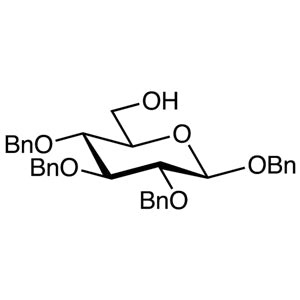
- TCI B4171 27851-29-2 Benzyl 2,3,4-Tri-O-benzyl-beta-D-glucopyranoside
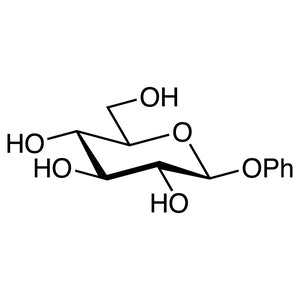
- TCI P0178 1464-44-4 Phenyl beta-D-Glucopyranoside
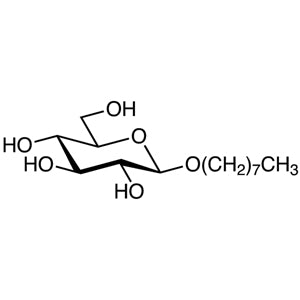
- TCI O0355 29836-26-8 n-Octyl beta-D-Glucopyranoside [for Biochemical Research]
- Glycoscience Research – This compound is ideal for studying glycosidic bond formation and modification due to its complex structure and functional groups.
- Biochemical Analysis – Its stability and defined molecular structure make it suitable for use in biochemical assays and molecular interaction studies.
- Pharmaceutical Development – It is used as a building block in the synthesis of glycoside-based compounds for drug development and therapeutic research.
- Structural Chemistry Studies – The compound’s unique molecular architecture supports investigations into structural modifications and chemical reactivity.
- Synthetic Organic Chemistry – Its reactivity and functional groups make it a valuable reagent in the synthesis of complex organic molecules.
| Brand | — |
|---|---|
| CAS number | — |
| Molecular formula | — |
| Purity | — |
| Category | — |
| Pack sizes | — |
| Physical form | — |
| Storage | — |
- Brand – TCI
- CAS Number – 6748-91-0
- Category – Chemistry > Chemical Biology > Glycoscience
- Pack Sizes – Available in various quantities as per supplier specifications
- Physical Form – Solid powder
- Storage Note – Store in a cool, dry place away from light
This compound should be stored in a cool, dry environment, away from direct sunlight and sources of heat. It is recommended to use airtight containers to prevent moisture absorption and maintain its chemical integrity. Due to its chemical stability, it does not require refrigeration but should be kept in a secure location to avoid contamination. In laboratory settings, it is important to handle the compound with care, using appropriate personal protective equipment such as gloves and safety goggles. Proper labeling of containers is essential to ensure safe handling and prevent accidental exposure. Always follow standard laboratory safety protocols when working with this compound to ensure a safe and controlled environment.
—
Product Categories
Produk Terkait
-
4-Nitrophenylalpha-D-Glucopyranoside[Substrateforalpha-D-Glucosidase] TCI N0493
Regular price From Rp 2.147.250,00Regular price -
Methyl4,6-O-Benzylidene-alpha-D-glucopyranoside TCI M1125
Regular price From Rp 1.140.300,00Regular price -
Methylalpha-D-Glucopyranoside TCI M0228
Regular price From Rp 452.550,00Regular price -
Benzyl2,3,4-Tri-O-benzyl-beta-D-glucopyranoside TCI B4171
Regular price Rp 3.870.300,00Regular price -
Phenylbeta-D-Glucopyranoside TCI P0178
Regular price Rp 848.400,00Regular price -
n-Octylbeta-D-Glucopyranoside[forBiochemicalResearch] TCI O0355
Regular price Rp 2.650.200,00Regular price -
n-Octylbeta-D-Glucopyranoside TCI O0232
Regular price From Rp 1.803.900,00Regular price -
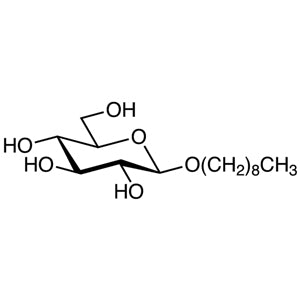
Nonylbeta-D-Glucopyranoside TCI N0909
Regular price Rp 3.976.350,00Regular price
![3767-28-0 4-Nitrophenyl alpha-D-Glucopyranoside [Substrate for alpha-D-Glucosidase] - AMI Scientific](http://amiscientific.com/cdn/shop/files/TCI2510N0493.jpg?v=1767129938&width=533)


![29836-26-8 n-Octyl beta-D-Glucopyranoside [for Biochemical Research] - AMI Scientific](http://amiscientific.com/cdn/shop/files/TCI2510O0355.jpg?v=1767131790&width=533)