Benzyl 2,3,4-Tri-O-benzyl-beta-D-glucopyranoside is a complex chemical compound widely used in chemical biology and glycoscience research. This derivative of glucose features three benzyl groups attached to the 2, 3, and 4 positions of the glucose molecule, making it a valuable tool for studying carbohydrate structures and functions. In the laboratory, it serves as a key building block for the synthesis of glycosidic compounds, particularly in investigations related to molecular recognition and carbohydrate-based drug development. Its unique structure allows for controlled chemical modifications, supporting a wide range of experimental applications.
The compound is prized for its stability and controlled reactivity, which make it ideal for use in synthetic and analytical protocols. Its hydrophobic nature enables it to interact effectively with various reagents under specific conditions, enhancing its versatility in laboratory settings. Additionally, its resistance to degradation under normal conditions ensures consistent performance and simplifies storage and handling. These properties make it a reliable choice for researchers seeking precise and reproducible results in glycoscience studies.
In Indonesian laboratories, this compound is commonly used in research focused on carbohydrate chemistry, biochemistry, and pharmaceutical development. Its application spans from basic research to more applied studies, supporting both academic and industrial scientific endeavors. Due to its structural complexity and functional versatility, it is a preferred material for scientists working on molecular structure analysis and functional modification of carbohydrates.
TCI brochures (PDF)
Related TCI products
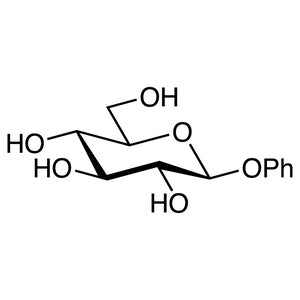
- TCI P0178 1464-44-4 Phenyl beta-D-Glucopyranoside
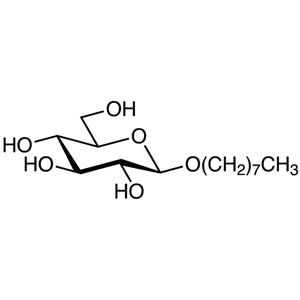
- TCI O0355 29836-26-8 n-Octyl beta-D-Glucopyranoside [for Biochemical Research]
- TCI O0232 29836-26-8 n-Octyl beta-D-Glucopyranoside
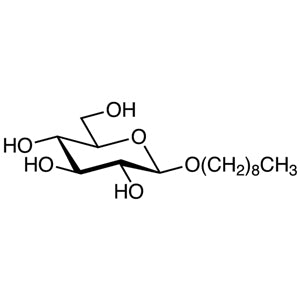
- TCI N0909 69984-73-2 Nonyl beta-D-Glucopyranoside
- TCI N0493 3767-28-0 4-Nitrophenyl alpha-D-Glucopyranoside [Substrate for alpha-D-Glucosidase]
- TCI N0235 2492-87-7 4-Nitrophenyl beta-D-Glucopyranoside Monohydrate [Substrate for beta-D-Glucosidase]
- Glycoside Synthesis: This compound is ideal for synthesizing glycosidic linkages due to its well-defined structure and reactivity, enabling precise molecular modifications.
- Carbohydrate Structure Analysis: Its complex molecular framework allows for detailed studies of carbohydrate conformations and interactions in biochemical processes.
- Drug Development Research: The compound supports the design of carbohydrate-based therapeutics by providing a stable platform for functional group manipulation.
- Molecular Recognition Studies: Its hydrophobic properties make it suitable for investigating molecular interactions in biological systems and receptor binding.
- Analytical Chemistry Applications: It is used as a reference standard for chromatographic and spectroscopic analyses due to its predictable chemical behavior.
| Brand | TCI |
|---|---|
| CAS number | 27851-29-2 |
| Molecular formula | — |
| Purity | — |
| Category | Chemistry > Chemical Biology > Glycoscience |
| Pack sizes | Available in various quantities as per standard laboratory supply |
| Physical form | Solid powder |
| Storage | Store in a cool, dry place away from light and moisture |
Data from the TCI brochure
| Rumus molekul | C34H36O6 = 540.66 |
|---|---|
| CAS | 27851-29-2 |
| Pelarut NMR | CDCl3 (Si(CH3)4 sebagai standar internal) |
| Suhu pengukuran NMR | 23.8 C |
Source: TCI brochure reagent_for_glyco_chemistry_&_biology_5th_ed ()
This compound should be stored in a cool, dry environment, away from direct sunlight and moisture to maintain its stability. It is recommended to use airtight containers to prevent exposure to humidity and contaminants. Due to its hydrophobic nature, it is important to handle it with care to avoid contamination during preparation and use. In laboratory settings, it should be stored in a designated chemical storage area that is accessible only to authorized personnel. Always ensure proper ventilation when working with this compound to minimize any potential exposure risks. Regular monitoring of storage conditions is essential to ensure the integrity of the material remains unaffected over time.
—
Product Categories
Produk Terkait
-
Phenylbeta-D-Glucopyranoside TCI P0178
Regular price Rp 900.900,00Regular priceRp 645.750,00Sale price Rp 900.900,00 -
n-Octylbeta-D-Glucopyranoside[forBiochemicalResearch] TCI O0355
Regular price Rp 2.702.700,00Regular priceRp 1.905.750,00Sale price Rp 2.702.700,00 -
n-Octylbeta-D-Glucopyranoside TCI O0232
Regular price From Rp 1.856.400,00Regular priceRp 1.313.550,00Sale price From Rp 1.856.400,00 -
Nonylbeta-D-Glucopyranoside TCI N0909
Regular price Rp 4.028.850,00Regular priceRp 2.832.900,00Sale price Rp 4.028.850,00 -
4-Nitrophenylalpha-D-Glucopyranoside[Substrateforalpha-D-Glucosidase] TCI N0493
Regular price From Rp 2.199.750,00Regular priceRp 1.554.000,00Sale price From Rp 2.199.750,00 -
4-Nitrophenylbeta-D-GlucopyranosideMonohydrate[Substrateforbeta-D-Glucosidase] TCI N0235
Regular price From Rp 2.411.850,00Regular priceRp 1.702.050,00Sale price From Rp 2.411.850,00 -
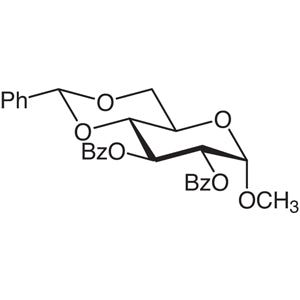
Methyl2,3-Di-O-benzoyl-4,6-O-benzylidene-alpha-D-glucopyranoside TCI M2013
Regular price Rp 3.815.700,00Regular priceRp 2.683.800,00Sale price Rp 3.815.700,00 -
Methyl4,6-O-Benzylidene-alpha-D-glucopyranoside TCI M1125
Regular price From Rp 1.192.800,00Regular priceRp 849.450,00Sale price From Rp 1.192.800,00