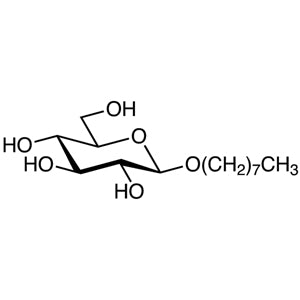
![29836-26-8 n-Octyl beta-D-Glucopyranoside [for Biochemical Research] - AMI Scientific](http://amiscientific.com/cdn/shop/files/TCI2510O0355.jpg?v=1767131790&width=1946)
![29836-26-8 n-Octyl beta-D-Glucopyranoside [for Biochemical Research] - AMI Scientific](http://amiscientific.com/cdn/shop/files/TCI2510O0355.jpg?v=1767131790&width=1445)
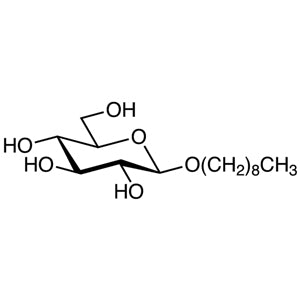
n-Octyl beta-D-Glucopyranoside is a chemical compound widely used in biochemical research and molecular biology laboratories. It is a glycoside derivative of glucose, making it a valuable tool for studying molecular interactions and biological activities. This compound is commonly employed as a solubilizing agent or a helper in the isolation of proteins, enzymes, and lipids. Its non-toxic nature and solubility in organic solvents make it a preferred choice for a variety of chemical and biochemical experiments. The compound’s stability and resistance to degradation allow it to be used under various laboratory conditions.
One of the key properties that make n-Octyl beta-D-Glucopyranoside a preferred choice is its ability to form micelles. This property is particularly useful in the encapsulation of active molecules or in drug delivery systems. Additionally, its chemical stability and compatibility with a wide range of solvents enhance its versatility in experimental setups. The compound’s non-interfering nature ensures that it does not disrupt the biological activity of the substrates being studied, thereby maintaining the accuracy and reliability of experimental results.
In Indonesian laboratories, n-Octyl beta-D-Glucopyranoside is extensively used in biochemical, pharmacological, and biotechnological research. Its role in facilitating the study of molecular interactions and biological processes makes it an essential component in many research projects. Researchers rely on its consistent performance and reliability to achieve accurate and reproducible results in their experiments.
TCI brochures (PDF)
- Protein and Biological Sample Preparation Reagents 2026-09-10 · p. 4
- Reagents for Glyco Chemistry & Biology 5th Edition · p. 36
- Reagents for Biological Research 2025-03-11 · p. 23
Related TCI products
- TCI O0232 29836-26-8 n-Octyl beta-D-Glucopyranoside
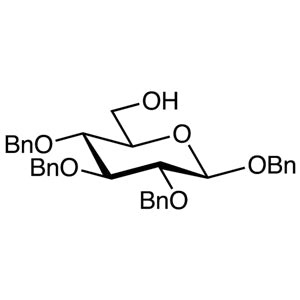
- TCI B4171 27851-29-2 Benzyl 2,3,4-Tri-O-benzyl-beta-D-glucopyranoside
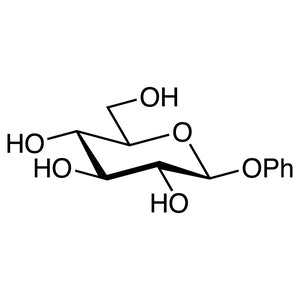
- TCI P0178 1464-44-4 Phenyl beta-D-Glucopyranoside
- TCI N0909 69984-73-2 Nonyl beta-D-Glucopyranoside
- TCI N0493 3767-28-0 4-Nitrophenyl alpha-D-Glucopyranoside [Substrate for alpha-D-Glucosidase]
- TCI N0235 2492-87-7 4-Nitrophenyl beta-D-Glucopyranoside Monohydrate [Substrate for beta-D-Glucosidase]
- Biochemical Research: n-Octyl beta-D-Glucopyranoside is ideal for studying molecular interactions due to its solubilizing properties and non-interfering nature.
- Protein Isolation: It serves as a useful aid in the extraction and purification of proteins by enhancing solubility and reducing aggregation.
- Enzyme Activity Studies: The compound supports the study of enzyme behavior by maintaining the integrity of biological substrates during experiments.
- Lipid Extraction: It is commonly used in lipid isolation processes due to its ability to dissolve hydrophobic compounds effectively.
- Drug Delivery Systems: Its micelle-forming ability makes it suitable for encapsulating and delivering active pharmaceutical ingredients.
| Brand | TCI |
|---|---|
| CAS number | 29836-26-8 |
| Molecular formula | — |
| Purity | — |
| Category | Chemistry > Chemical Biology > Glycoscience |
| Pack sizes | Available in various quantities as per supplier specifications |
| Physical form | Solid or liquid, depending on the formulation |
| Storage | Store in a cool, dry place away from direct sunlight |
n-Octyl beta-D-Glucopyranoside should be stored in a cool, dry place, away from direct sunlight and sources of heat. It is recommended to use airtight containers to prevent moisture absorption and contamination. Due to its chemical stability, it does not require refrigeration but should be kept in a secure location to avoid accidental exposure. In laboratory settings, it is important to follow standard safety protocols, such as wearing appropriate personal protective equipment when handling the compound. Proper labeling of storage containers is essential to ensure safe handling and prevent cross-contamination. Always ensure that the compound is stored in a well-ventilated area to maintain a safe working environment.
—
Product Categories
- GlycoscienceGlyco Building BlocksProtected Sugars [Oligosaccharides by Component Sugar]
- GlycoscienceMonosaccharides [Glycoscience]Glucoses [Glycoscience]
- Biochemicals and ReagentsCarbohydrates
- Biochemicals and ReagentsDenaturationDetergents [Denaturation]
- Biochemicals and ReagentsDetergents (for Biochemistry)Nonionic Surfactants (for Biochemistry)
- Molecular BiologyProteomicsProtein Sample Preparation
Produk Terkait
-
n-Octylbeta-D-Glucopyranoside TCI O0232
Regular price From Rp 1.803.900,00Regular price -
Benzyl2,3,4-Tri-O-benzyl-beta-D-glucopyranoside TCI B4171
Regular price Rp 3.870.300,00Regular price -
Phenylbeta-D-Glucopyranoside TCI P0178
Regular price Rp 848.400,00Regular price -
Nonylbeta-D-Glucopyranoside TCI N0909
Regular price Rp 3.976.350,00Regular price -
4-Nitrophenylalpha-D-Glucopyranoside[Substrateforalpha-D-Glucosidase] TCI N0493
Regular price From Rp 2.147.250,00Regular price -
4-Nitrophenylbeta-D-GlucopyranosideMonohydrate[Substrateforbeta-D-Glucosidase] TCI N0235
Regular price From Rp 2.359.350,00Regular price -
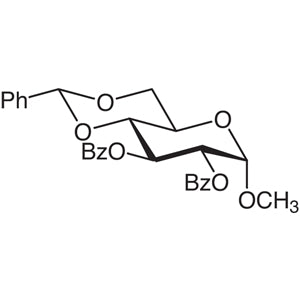
Methyl2,3-Di-O-benzoyl-4,6-O-benzylidene-alpha-D-glucopyranoside TCI M2013
Regular price Rp 3.763.200,00Regular price -
Methyl4,6-O-Benzylidene-alpha-D-glucopyranoside TCI M1125
Regular price From Rp 1.140.300,00Regular price
![3767-28-0 4-Nitrophenyl alpha-D-Glucopyranoside [Substrate for alpha-D-Glucosidase] - AMI Scientific](http://amiscientific.com/cdn/shop/files/TCI2510N0493.jpg?v=1767129938&width=533)
![2492-87-7 4-Nitrophenyl beta-D-Glucopyranoside Monohydrate [Substrate for beta-D-Glucosidase] - AMI Scientific](http://amiscientific.com/cdn/shop/files/TCI2510N0235.jpg?v=1767129472&width=533)