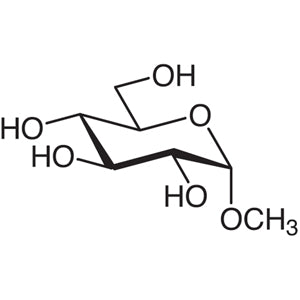
TCI M0228 Methyl alpha-D-Glucopyranoside is a simple glycoside formed from glucose, with a methyl group attached at the anomeric position in the alpha configuration. Because the anomeric centre is locked by this methyl group, the compound does not undergo mutarotation the way free glucose does, which makes it an exceptionally valuable model substance in carbohydrate chemistry. In the laboratory it serves as a reference substrate, a synthetic starting material, and a comparison compound in glycoscience studies. Researchers rely on it to examine the reactivity of carbohydrate hydroxyl groups, to test selective protection strategies, and to investigate the behaviour of enzymes that act on alpha-glycosidic linkages.
The qualities that lead researchers to select this material are its structural stability and its unambiguous stereochemistry. With a well-defined pyranose ring and a fixed alpha configuration, the compound provides a clean chiral framework carrying four hydroxyl groups whose reactivities differ from one another: one primary hydroxyl at C-6 and three secondary hydroxyls. This graded difference in reactivity is precisely what makes the molecule useful for developing regioselective protection methods, as well as for tosylation, acylation, and etherification work. The absence of mutarotation also means that analytical results remain consistent, since the sample does not equilibrate between anomeric forms during handling or measurement.
In Indonesian laboratories, Methyl alpha-D-Glucopyranoside is typically encountered in university research groups, institutional carbohydrate chemistry laboratories, and synthetic organic chemistry facilities working on glycoscience topics. It appears in method development for selective derivatisation, in teaching and demonstration work covering carbohydrate stereochemistry, and in enzymology studies where a stable alpha-glycoside reference is required. Its physical form, a white crystalline solid with good solubility, makes it convenient to weigh out and dissolve for routine preparation of standard solutions and reaction mixtures.
TCI brochures (PDF)
Related TCI products
- TCI N0493 3767-28-0 4-Nitrophenyl alpha-D-Glucopyranoside [Substrate for alpha-D-Glucosidase]
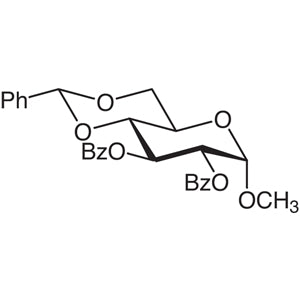
- TCI M2013 6748-91-0 Methyl 2,3-Di-O-benzoyl-4,6-O-benzylidene-alpha-D-glucopyranoside
- TCI M1125 3162-96-7 Methyl 4,6-O-Benzylidene-alpha-D-glucopyranoside
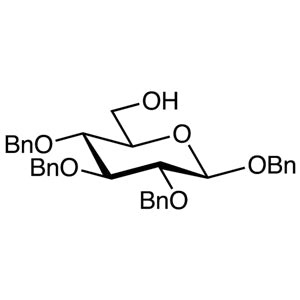
- TCI B4171 27851-29-2 Benzyl 2,3,4-Tri-O-benzyl-beta-D-glucopyranoside
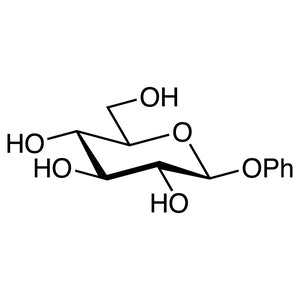
- TCI P0178 1464-44-4 Phenyl beta-D-Glucopyranoside
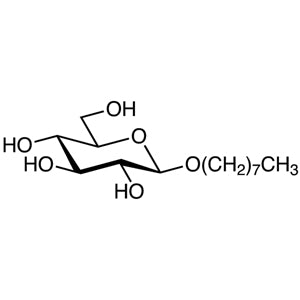
- TCI O0355 29836-26-8 n-Octyl beta-D-Glucopyranoside [for Biochemical Research]
- Reference substrate for glycosidase assays, since the locked alpha-anomeric configuration provides an enzyme target that will not interconvert during the course of the measurement.
- Starting material in carbohydrate synthesis, where the protected anomeric centre allows chemists to direct reactions toward the remaining hydroxyl positions without competing reactions at C-1.
- Development of regioselective protection strategies, taking advantage of the reactivity difference between the primary C-6 hydroxyl and the three secondary hydroxyl groups on the ring.
- Tosylation, acylation, and etherification method work, because the well-defined pyranose framework gives predictable and interpretable outcomes when new derivatisation conditions are being screened.
- Comparison compound in glycoscience investigations, serving as a structurally clear standard against which the behaviour of more complex or less defined carbohydrate samples can be judged.
| Brand | TCI |
|---|---|
| CAS number | 97-30-3 |
| Molecular formula | — |
| Purity | — |
| Category | Chemistry > Chemical Biology > Glycoscience |
| Pack sizes | available in the standard research pack sizes offered by TCI for this catalogue item |
| Physical form | white crystalline solid, readily soluble |
| Storage | keep in a tightly closed container in a cool, dry place |
- Product code: M0228
Store the container tightly closed in a cool, dry location away from direct sunlight, moisture, and sources of heat. As a crystalline carbohydrate derivative, the material is best kept in its original glass or high-density plastic container with a well-sealed cap to limit moisture uptake, which can cause caking and complicate accurate weighing. Handle the solid in a well-ventilated area or fume hood using standard laboratory personal protective equipment, including gloves, safety glasses, and a laboratory coat. Use clean, dry spatulas when transferring material to avoid contaminating the bulk stock, and close the container promptly after use. Keep the container clearly labelled and consult the manufacturer's safety data sheet before first use and prior to disposal of any residues.
—
Product Categories
Produk Terkait
-
4-Nitrophenylalpha-D-Glucopyranoside[Substrateforalpha-D-Glucosidase] TCI N0493
Regular price From Rp 2.147.250,00Regular price -
Methyl2,3-Di-O-benzoyl-4,6-O-benzylidene-alpha-D-glucopyranoside TCI M2013
Regular price Rp 3.763.200,00Regular price -
Methyl4,6-O-Benzylidene-alpha-D-glucopyranoside TCI M1125
Regular price From Rp 1.140.300,00Regular price -
Benzyl2,3,4-Tri-O-benzyl-beta-D-glucopyranoside TCI B4171
Regular price Rp 3.870.300,00Regular price -
Phenylbeta-D-Glucopyranoside TCI P0178
Regular price Rp 848.400,00Regular price -
n-Octylbeta-D-Glucopyranoside[forBiochemicalResearch] TCI O0355
Regular price Rp 2.650.200,00Regular price -
n-Octylbeta-D-Glucopyranoside TCI O0232
Regular price From Rp 1.803.900,00Regular price -
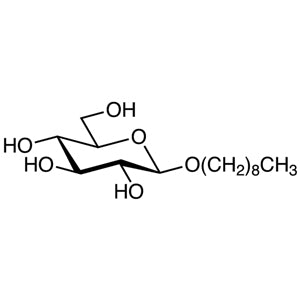
Nonylbeta-D-Glucopyranoside TCI N0909
Regular price Rp 3.976.350,00Regular price
![3767-28-0 4-Nitrophenyl alpha-D-Glucopyranoside [Substrate for alpha-D-Glucosidase] - AMI Scientific](http://amiscientific.com/cdn/shop/files/TCI2510N0493.jpg?v=1767129938&width=533)

![29836-26-8 n-Octyl beta-D-Glucopyranoside [for Biochemical Research] - AMI Scientific](http://amiscientific.com/cdn/shop/files/TCI2510O0355.jpg?v=1767131790&width=533)