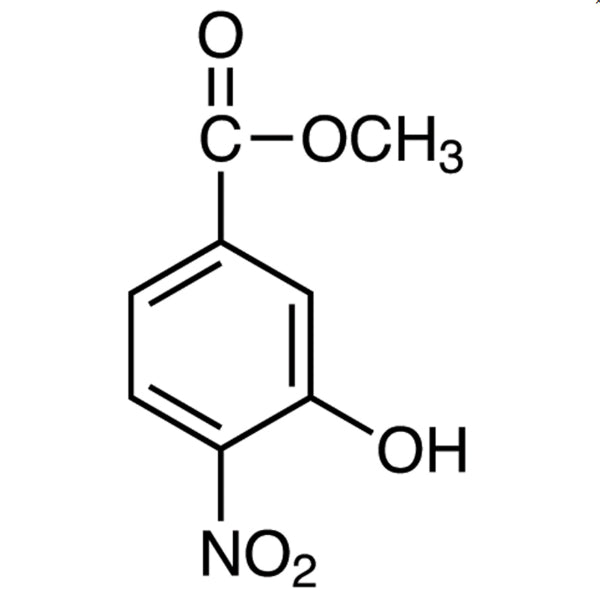
Methyl 3-Hydroxy-4-nitrobenzoate is a chemical compound widely used in organic synthesis reactions, particularly in the formation of heterocyclic compounds or complex molecular structures. This reagent plays a crucial role in laboratory settings as a key building block for constructing larger molecules. Its versatility makes it an essential component in various synthetic pathways, where it can act as an electron donor or a catalytic agent. Due to its stability and reactivity, it is frequently employed in research and development processes to achieve desired chemical transformations.
The compound’s reactive nature and ability to form bonds with a variety of functional groups make it a preferred choice in synthetic chemistry. Its molecular structure contains both nitro and hydroxyl groups, which contribute to its high polarity. This polarity facilitates solubility in organic solvents and enhances its reactivity in different chemical environments. The presence of these functional groups also allows for further modification and functionalization, making it adaptable to a wide range of synthetic strategies.
In Indonesian laboratories, Methyl 3-Hydroxy-4-nitrobenzoate is commonly used in scientific research and the development of chemical products. Educational institutions and research organizations rely on this compound for experiments requiring high-quality chemical reagents. Its availability and reliability make it a valuable resource for both academic and industrial applications, supporting innovation and discovery in the field of chemistry.
Related TCI products
- Organic synthesis reactions where heterocyclic compounds are formed due to its reactivity and functional group versatility.
- Development of complex molecular structures as a building block for advanced chemical synthesis.
- Catalytic processes in which it acts as an electron donor to enhance reaction efficiency and yield.
- Research applications in academic and industrial settings requiring high-quality chemical reagents.
- Functionalization of molecules through its ability to bond with various functional groups in synthetic pathways.
| Brand | TCI |
|---|---|
| CAS number | 713-52-0 |
| Molecular formula | — |
| Purity | — |
| Category | Chemistry > Building Blocks > Non-Heterocyclic Building Blocks |
| Pack sizes | Available in standard laboratory quantities as per supplier specifications |
| Physical form | Solid, crystalline appearance |
| Storage | Store in a cool, dry place away from direct sunlight and moisture |
Methyl 3-Hydroxy-4-nitrobenzoate should be stored in a cool, dry environment to maintain its stability and prevent degradation. It is recommended to keep the compound in a tightly sealed container to avoid exposure to moisture and air. Due to its potential reactivity, it should be handled with care, using appropriate personal protective equipment such as gloves and safety goggles. Storage in a well-ventilated area is advised to minimize any risk of inhalation. The compound should not be stored near incompatible materials, such as strong acids or bases, to ensure safety in the laboratory setting. Regular inspection of storage conditions is essential to maintain the integrity and usability of the material.
—
Produk Terkait
-
Methyl4-Hydroxy-3-nitrobenzoate TCI M3649
Regular price From Rp 848.400,00Regular price -
Methyl2-Hydroxy-3-nitrobenzoate TCI M2864
Regular price From Rp 769.650,00Regular price -
Ethyl5-Bromo-2-chlorobenzoate TCI B2255
Regular price From Rp 928.200,00Regular price -
Methyl2-Bromo-5-nitrobenzoate TCI B1916
Regular price From Rp 610.050,00Regular price -
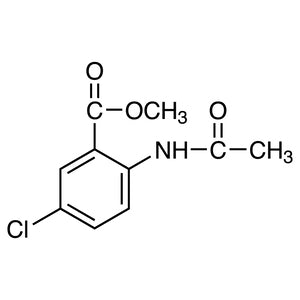
Methyl2-Acetamido-5-chlorobenzoate TCI A1609
Regular price Rp 769.650,00Regular price -
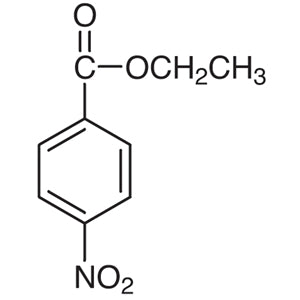
Ethyl4-Nitrobenzoate TCI N0485
Regular price Rp 743.400,00Regular price -
Methyl4-Nitrobenzoate TCI N0159
Regular price Rp 1.298.850,00Regular price -
Methyl2-Nitrobenzoate TCI N0158
Regular price Rp 1.115.100,00Regular price