Ethyl 5-Bromo-2-chlorobenzoate is a chemical compound widely used as a building block in organic synthesis. It serves as a versatile intermediate in the creation of complex organic molecules, particularly in reactions involving substitution and electrophilic mechanisms. This compound is valued for its ability to participate in multiple reaction pathways, including esterification and aromatic substitution reactions. Its presence in the chemical supply chain makes it an essential tool for researchers aiming to develop new compounds with specific functional groups.
The unique combination of bromo and chloro substituents on the aromatic ring contributes to its reactivity and functional versatility. The ester group further enhances its utility by enabling reactions such as hydrolysis and the synthesis of other organic compounds. These chemical properties make Ethyl 5-Bromo-2-chlorobenzoate a preferred choice for chemists working on drug development, material science, and industrial applications. Its stability and reactivity under controlled conditions ensure reliable results in laboratory settings.
In Indonesian laboratories, Ethyl 5-Bromo-2-chlorobenzoate is commonly used in the synthesis of aromatic compounds with bromo and chloro substituents. It supports research in pharmaceutical and industrial chemistry, where the development of new compounds with specific functionalities is crucial. The availability of this compound locally reduces the need for imports, making it more accessible for researchers and educational institutions.
Related TCI products
- TCI M3131 57381-62-1 Methyl 2-Bromo-4-chlorobenzoate
- TCI M2883 185312-82-7 Methyl 4-Bromo-2-chlorobenzoate
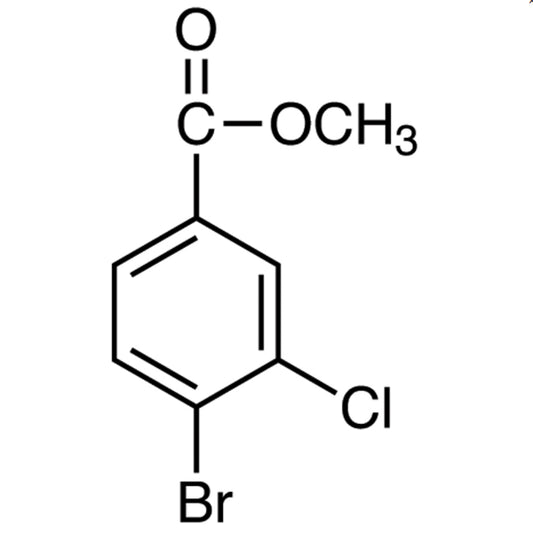
- TCI M2829 117738-74-6 Methyl 4-Bromo-3-chlorobenzoate
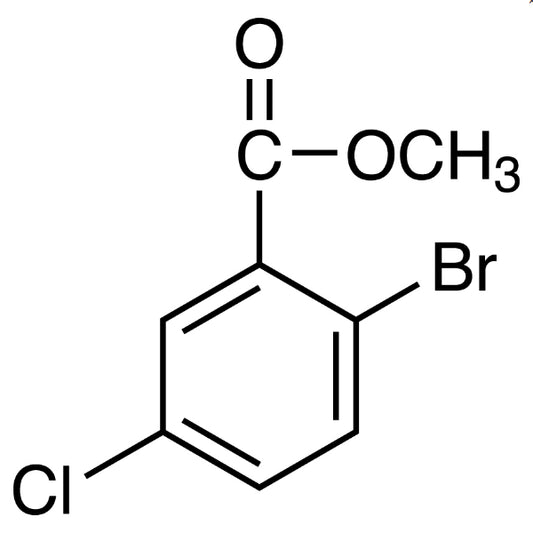
- TCI M2033 27007-53-0 Methyl 2-Bromo-5-chlorobenzoate
- TCI B1916 6942-36-5 Methyl 2-Bromo-5-nitrobenzoate
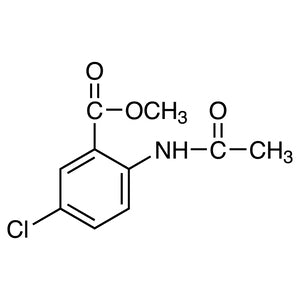
- TCI A1609 20676-54-4 Methyl 2-Acetamido-5-chlorobenzoate
- Synthesis of aromatic compounds with bromo and chloro substituents: This compound is ideal for creating substituted aromatic structures due to its reactive bromo and chloro groups.
- Organic synthesis in pharmaceutical research: Its versatility in esterification and substitution reactions makes it suitable for developing new drug molecules.
- Industrial chemical production: The compound's functional groups allow for the synthesis of various industrial chemicals with specific properties.
- Educational laboratory experiments: It is used in teaching organic chemistry to demonstrate substitution and esterification reactions.
- Research in material science: Its chemical properties make it useful in the development of new materials with tailored functionalities.
| Brand | TCI |
|---|---|
| CAS number | 76008-73-6 |
| Molecular formula | — |
| Purity | — |
| Category | Chemistry > Building Blocks > Non-Heterocyclic Building Blocks |
| Pack sizes | Available in various quantities as per supplier specifications |
| Physical form | Solid or liquid depending on the specific product variant |
| Storage | Store in a cool, dry place away from direct sunlight |
Ethyl 5-Bromo-2-chlorobenzoate should be stored in a cool, dry environment to maintain its chemical integrity. It is recommended to keep the compound in a sealed container to prevent moisture absorption and contamination. Suitable storage containers include glass or high-density polyethylene vessels that are resistant to chemical reactions. In laboratory settings, it is important to handle the compound with appropriate personal protective equipment to ensure safety. Avoid exposure to heat or direct sunlight, as these conditions can affect the stability of the compound. Proper labeling and storage conditions are essential to maintain the quality and usability of the material for research purposes.
—
Produk Terkait
-
Methyl2-Bromo-4-chlorobenzoate TCI M3131
Regular price From Rp 1.908.900,00Regular priceRp 1.350.300,00Sale price From Rp 1.908.900,00 -
Methyl4-Bromo-2-chlorobenzoate TCI M2883
Regular price From Rp 980.700,00Regular priceRp 701.400,00Sale price From Rp 980.700,00 -
Methyl4-Bromo-3-chlorobenzoate TCI M2829
Regular price From Rp 1.060.500,00Regular priceRp 757.050,00Sale price From Rp 1.060.500,00 -
Methyl2-Bromo-5-chlorobenzoate TCI M2033
Regular price From Rp 1.167.600,00Regular priceRp 831.600,00Sale price From Rp 1.167.600,00 -
Methyl2-Bromo-5-nitrobenzoate TCI B1916
Regular price From Rp 662.550,00Regular priceRp 478.800,00Sale price From Rp 662.550,00 -
Methyl2-Acetamido-5-chlorobenzoate TCI A1609
Regular price Rp 822.150,00Regular priceRp 590.100,00Sale price Rp 822.150,00 -
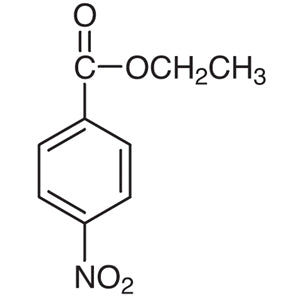
Ethyl4-Nitrobenzoate TCI N0485
Regular price Rp 795.900,00Regular priceRp 572.250,00Sale price Rp 795.900,00 -
Methyl4-Nitrobenzoate TCI N0159
Regular price Rp 1.351.350,00Regular priceRp 960.750,00Sale price Rp 1.351.350,00