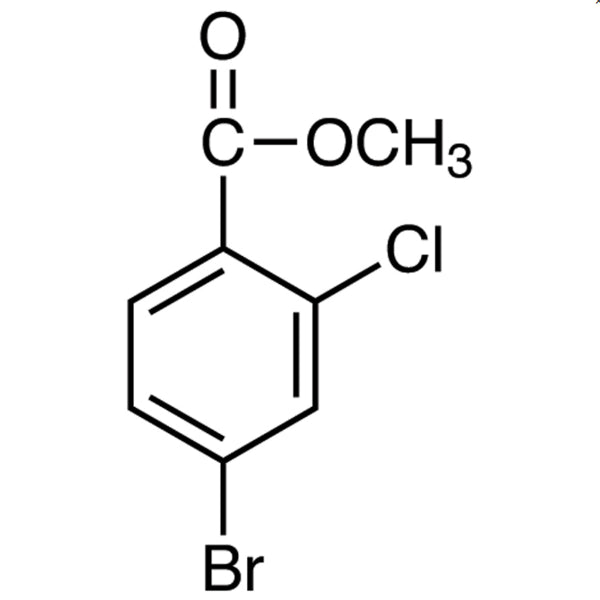
Methyl 4-Bromo-2-chlorobenzoate is a chemical compound widely used as a building block in the synthesis of complex organic molecules. It plays a crucial role in laboratory settings, particularly in organic chemistry research, where it serves as a versatile intermediate for various chemical reactions. This compound is commonly employed in substitution and electrophilic reactions, especially in the preparation of aromatic compounds containing halogen and ester groups. Its presence in laboratory workflows highlights its importance in achieving specific molecular structures through controlled chemical transformations.
The compound’s unique molecular structure, featuring bromo and chloro groups on the benzene ring, contributes to its reactivity and specificity in chemical reactions. These functional groups enable targeted substitution reactions, making it a preferred choice for chemists aiming to synthesize compounds with precise structural modifications. Its stability and moderate reactivity allow for efficient chemical transformations under appropriate conditions, ensuring reliable results in both academic and industrial research environments.
In Indonesian laboratories, Methyl 4-Bromo-2-chlorobenzoate is extensively used in chemical research, including drug development, industrial chemical production, and the synthesis of various organic compounds. Its availability and ease of use make it a valuable resource for researchers working on projects that require precise chemical modifications and functional group manipulations.
Related TCI products
- TCI B2255 76008-73-6 Ethyl 5-Bromo-2-chlorobenzoate
- TCI M3131 57381-62-1 Methyl 2-Bromo-4-chlorobenzoate
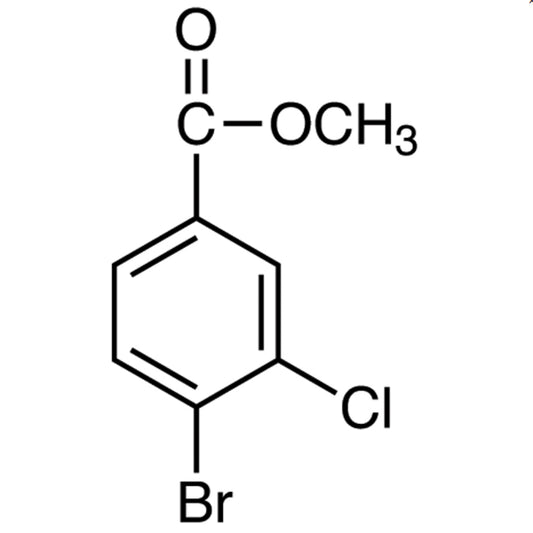
- TCI M2829 117738-74-6 Methyl 4-Bromo-3-chlorobenzoate
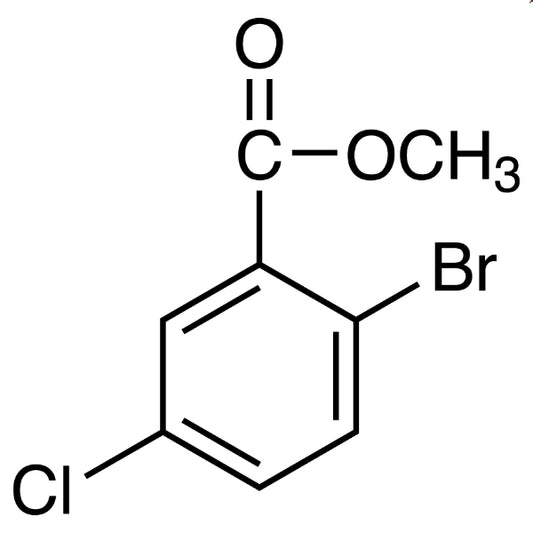
- TCI M2033 27007-53-0 Methyl 2-Bromo-5-chlorobenzoate
- TCI B1916 6942-36-5 Methyl 2-Bromo-5-nitrobenzoate
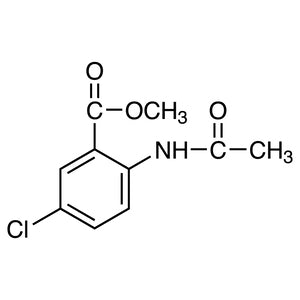
- TCI A1609 20676-54-4 Methyl 2-Acetamido-5-chlorobenzoate
- Organic Synthesis: This compound is ideal for synthesizing complex organic molecules due to its reactive halogen groups and ester functionality, allowing for targeted chemical modifications.
- Drug Development: It is frequently used in the creation of pharmaceutical compounds, as its structure can be modified to produce bioactive molecules with specific therapeutic properties.
- Industrial Chemistry: Its utility extends to the production of industrial chemicals, where it serves as a key intermediate in the synthesis of various functional compounds.
- Analytical Chemistry: It is used as a standard in analytical procedures to calibrate instruments and ensure accurate measurements in chemical analysis.
- Research and Development: Its versatility makes it a valuable tool in R&D settings, supporting the exploration of new chemical reactions and compound structures.
| Brand | TCI |
|---|---|
| CAS number | 185312-82-7 |
| Molecular formula | — |
| Purity | — |
| Category | Chemistry > Building Blocks > Non-Heterocyclic Building Blocks |
| Pack sizes | Available in various quantities as per supplier specifications |
| Physical form | Solid |
| Storage | Store in a cool, dry place away from light and moisture |
Methyl 4-Bromo-2-chlorobenzoate should be stored in a cool, dry environment, away from direct sunlight and moisture to maintain its chemical stability. It is recommended to use airtight containers made of glass or inert materials to prevent contamination and degradation. Due to its halogenated nature, it is important to handle the compound with care, using appropriate personal protective equipment such as gloves and safety goggles. It should be kept out of reach of children and stored separately from incompatible substances to ensure laboratory safety. Regular monitoring of storage conditions is advised to ensure the compound remains in optimal condition for use in chemical experiments and research.
—
Produk Terkait
-
Ethyl5-Bromo-2-chlorobenzoate TCI B2255
Regular price From Rp 928.200,00Regular price -
Methyl2-Bromo-4-chlorobenzoate TCI M3131
Regular price From Rp 1.856.400,00Regular price -
Methyl4-Bromo-3-chlorobenzoate TCI M2829
Regular price From Rp 1.008.000,00Regular price -
Methyl2-Bromo-5-chlorobenzoate TCI M2033
Regular price From Rp 1.115.100,00Regular price -
Methyl2-Bromo-5-nitrobenzoate TCI B1916
Regular price From Rp 610.050,00Regular price -
Methyl2-Acetamido-5-chlorobenzoate TCI A1609
Regular price Rp 769.650,00Regular price -
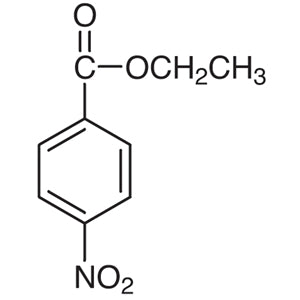
Ethyl4-Nitrobenzoate TCI N0485
Regular price Rp 743.400,00Regular price -
Methyl4-Nitrobenzoate TCI N0159
Regular price Rp 1.298.850,00Regular price