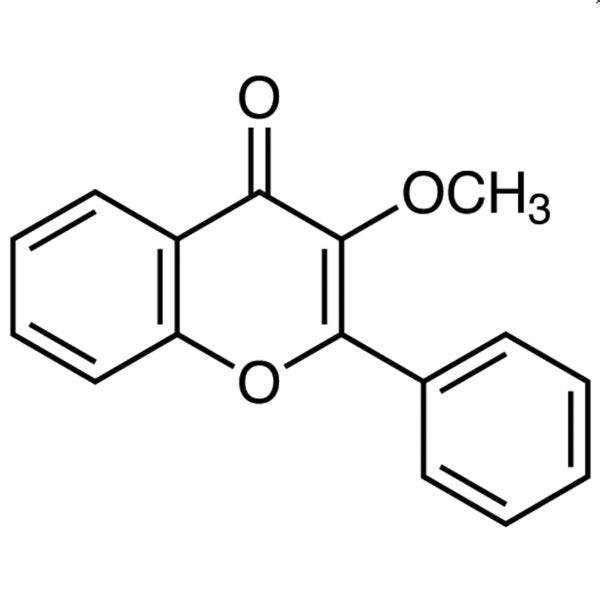
TCI M2364 3-Methoxyflavone is a synthetic flavonoid compound built on a basic flavone skeleton carrying a methoxy group at the third position. The material belongs to the category of phenylpropanoids and aromatic polyketides, a large class of metabolites commonly encountered in plants. In the laboratory, this compound serves as a reference material in flavonoid research, as a structural model for studying the relationship between substitution patterns and molecular properties, and as a starting material or comparison standard in natural product chemistry investigations.
The characteristic that leads researchers to select 3-methoxyflavone is the position of its methoxy group, which replaces the hydroxyl group at position three of the flavonol skeleton. This small change has a marked influence on molecular properties, ranging from solubility and stability toward oxidation through to fluorescence behaviour. The extensively conjugated flavone skeleton gives a characteristic absorption in the ultraviolet region, so the compound is readily detected in chromatographic analysis using a UV detector. The methylated form is also more resistant to oxidation than the free hydroxyl analogue, which makes handling in the laboratory comparatively easier.
Natural product laboratories in Indonesia work extensively with plant-derived flavonoids, and a well-defined synthetic reference such as this one supports that work. It is used in university research groups, institutional laboratories, and analytical facilities where isolated plant constituents need to be compared against a known structure. Because the compound is a defined single substance rather than an extract, it provides a consistent point of reference across repeated experiments and between different laboratories.
- Flavonoid reference standard work — the defined synthetic structure gives a consistent comparison point for identifying and confirming flavonoid constituents isolated from plant material.
- Structure–property relationship studies — the methoxy substitution at position three allows researchers to examine how a single substituent change alters solubility, stability, and molecular behaviour.
- UV-detected chromatographic analysis — the extended conjugation of the flavone skeleton produces characteristic ultraviolet absorption, making the compound straightforward to detect and track during separation.
- Natural product chemistry synthesis — the compound serves as a starting material for preparing related flavonoid derivatives and as a comparison substance in synthetic route development.
- Fluorescence behaviour investigations — the methoxylated flavone skeleton is used in studies examining how substitution patterns influence the fluorescence characteristics of flavonoid systems.
| Brand | TCI (Tokyo Chemical Industry) |
|---|---|
| CAS number | 7245-02-5 |
| Molecular formula | — |
| Purity | — |
| Category | Life Science > Biochemicals and Reagents > Phenylpropanoids, Aromatic Polyketides |
| Pack sizes | available in the research-scale pack sizes listed in the TCI catalogue for this item |
| Physical form | — |
| Storage | store according to the conditions stated on the manufacturer label and safety data sheet |
- Catalogue code: M2364
Store the container in a cool, dry place away from direct sunlight and sources of heat, following the storage conditions stated on the manufacturer label and safety data sheet. Keep the material in its original tightly closed container, or in a clean amber glass vessel if transfer is necessary, since flavonoid compounds are generally sensitive to prolonged light exposure. Handle the compound in a well-ventilated area or fume hood, wear a laboratory coat, safety glasses, and suitable gloves, and avoid generating dust during weighing. Close the container promptly after use to limit moisture uptake, and consult the safety data sheet before first handling and before disposal.
—
Produk Terkait
-
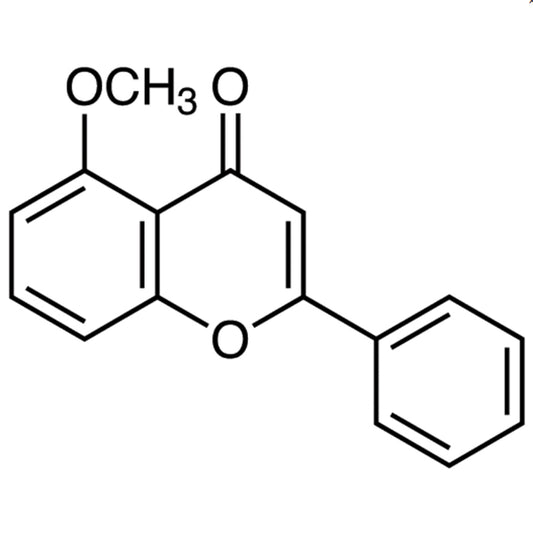
5-Methoxyflavone TCI M2365
Regular price From Rp 2.174.550,00Regular price -
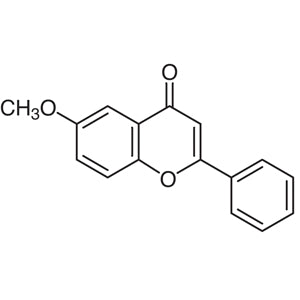
6-Methoxyflavone TCI M1346
Regular price From Rp 1.220.100,00Regular price -
3-Hydroxy-4'-methoxyflavone TCI H1405
Regular price Rp 2.094.750,00Regular price -
5,7-Dimethoxyflavone TCI D6232
Regular price Rp 5.672.100,00Regular price -
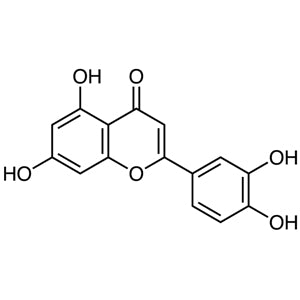
3',4',5,7-Tetrahydroxyflavone TCI T2682
Regular price From Rp 1.565.550,00Regular price -
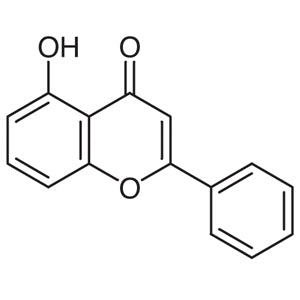
5-Hydroxyflavone TCI H1238
Regular price Rp 5.089.350,00Regular price -
7-Hydroxyflavone TCI H0852
Regular price From Rp 903.000,00Regular price -
6-Hydroxyflavone TCI H0851
Regular price From Rp 505.050,00Regular price