2-(4-Methoxybenzoyl)thiophene is a chemical compound widely used as a foundational building block in the synthesis of complex heterocyclic compounds. This material plays a crucial role in laboratory settings where the creation of structurally intricate molecules is required. Its unique molecular structure, combining a thiophene ring with a methoxybenzoyl group, makes it highly versatile for chemical modifications. In the context of organic chemistry, it serves as a key intermediate in the development of bioactive substances, including pharmaceuticals and industrial chemicals.
The compound is valued for its stable chemical structure and controlled reactivity, which allow it to participate effectively in a variety of synthetic reactions. Its solubility in organic solvents further enhances its utility, as it facilitates purification and processing steps in laboratory workflows. These properties make it a preferred choice for researchers aiming to design molecules with specific functional groups or biological activities. The compound’s reliability and predictable behavior in chemical reactions contribute to its widespread use in academic and industrial research.
In Indonesian laboratories, 2-(4-Methoxybenzoyl)thiophene is commonly employed in organic chemistry research, particularly in pharmaceutical and material science applications. It is frequently used in the development of new compounds with potential applications in health and technology sectors. Research institutions and universities in Indonesia rely on this compound to advance their studies in drug discovery, antioxidant research, and other chemical innovations. Its availability and performance make it a standard component in many laboratory projects.
TCI brochures (PDF)
- Thiophenes 2026-06-29 · p. 8
Related TCI products
- Synthesis of heterocyclic compounds for drug development due to its structural versatility and reactivity.
- Development of bioactive molecules in pharmaceutical research because of its ability to form stable functional groups.
- Investigation of antioxidant properties in organic chemistry studies due to its chemical stability and solubility.
- Creation of new materials in industrial chemistry applications because of its compatibility with various synthetic pathways.
- Exploration of chemical reactivity in academic research settings due to its predictable behavior in reaction conditions.
| Brand | TCI |
|---|---|
| CAS number | 4160-63-8 |
| Molecular formula | — |
| Purity | — |
| Category | Chemistry > Building Blocks > Heterocyclic Building Blocks |
| Pack sizes | Available in various quantities as per standard laboratory supply |
| Physical form | Solid |
| Storage | Store in a cool, dry place away from direct sunlight |
This compound should be stored in a cool, dry environment, away from direct sunlight and sources of heat. It is recommended to keep it in a sealed container to prevent moisture absorption and contamination. Due to its chemical nature, it should be handled in a well-ventilated area, and appropriate personal protective equipment such as gloves and safety goggles should be worn. Avoid exposure to incompatible substances, and ensure that storage conditions are consistent with standard laboratory safety protocols. Proper labeling of containers is essential to ensure safe handling and prevent accidental misuse.
—
Produk Terkait
-
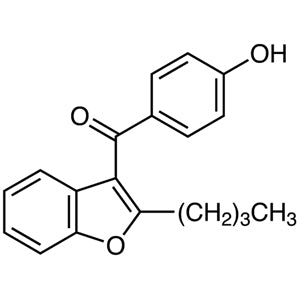
2-Butyl-3-(4-hydroxybenzoyl)benzofuran TCI B3339
Regular price Rp 4.849.950,00Regular price -
Thiophene-2-carbothioamide TCI T3604
Regular price From Rp 8.560.650,00Regular price -
Thieno[3,2-b]thiophene-2,5-dicarboxaldehyde TCI T3212
Regular price From Rp 1.298.850,00Regular price -
Thieno[2,3-b]thiophene TCI T2729
Regular price From Rp 2.332.050,00Regular price -
Thieno[3,2-b]thiophene TCI T2513
Regular price From Rp 1.538.250,00Regular price -
Thiophene-2,5-dicarbaldehyde TCI T2480
Regular price From Rp 1.644.300,00Regular price -
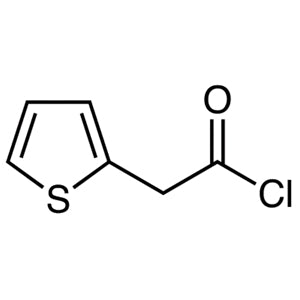
Thiophene-2-acetylChloride TCI T1751
Regular price Rp 1.776.600,00Regular price -
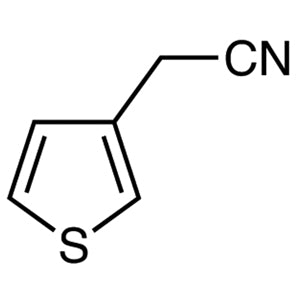
Thiophene-3-acetonitrile TCI T1193
Regular price Rp 1.881.600,00Regular price

![37882-75-0 Thieno[3,2-b]thiophene-2,5-dicarboxaldehyde - AMI Scientific](http://amiscientific.com/cdn/shop/files/TCI2510T3212.jpg?v=1767143893&width=533)
![250-84-0 Thieno[2,3-b]thiophene - AMI Scientific](http://amiscientific.com/cdn/shop/files/TCI2510T2729.jpg?v=1767143296&width=533)
![251-41-2 Thieno[3,2-b]thiophene - AMI Scientific](http://amiscientific.com/cdn/shop/files/TCI2510T2513.jpg?v=1767142976&width=533)