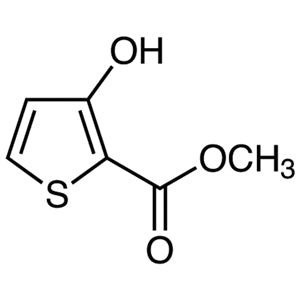
Methyl 3-Hydroxy-2-thiophenecarboxylate is a chemical compound widely used in organic reactions for the synthesis of heterocyclic compounds. This material plays a crucial role in laboratory settings, particularly in research involving the construction of complex molecular structures. Its unique chemical structure, which includes a thiophene ring and a carboxylate group attached to an oxygen atom, makes it a valuable building block in various synthetic pathways. Due to its reactivity, it is often employed in the development of compounds with biological activity, such as pharmaceuticals and industrial chemicals.
The compound is known for its high reactivity, especially at the hydroxyl and carboxylate positions, allowing it to participate in a variety of chemical reactions. This reactivity makes it a preferred choice for chemists seeking to modify molecular structures with precision. It is compatible with a wide range of reagents, including acids, bases, and organic solvents, which enhances its versatility in synthetic applications. Its ability to undergo substitution, coupling, and structural modification reactions makes it an essential component in many organic synthesis protocols.
In Indonesian laboratories, Methyl 3-Hydroxy-2-thiophenecarboxylate is commonly used in organic chemistry research, particularly in the synthesis of pharmacological compounds and industrial chemicals. Its role in creating complex molecular structures is vital for advancing research in both academic and industrial settings. The compound is frequently utilized in studies aimed at developing new drugs and chemical materials, contributing to the growth of scientific innovation in the region.
TCI brochures (PDF)
- Thiophenes 2026-06-29 · p. 9
Related TCI products
- TCI T1252 5813-89-8 2-Thiophenecarboxamide
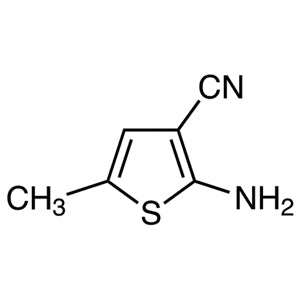
- TCI A2351 138564-58-6 2-Amino-5-methyl-3-thiophenecarbonitrile
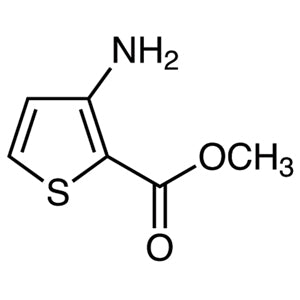
- TCI A1039 22288-78-4 Methyl 3-Amino-2-thiophenecarboxylate
- TCI T1140 2361-27-5 2-Thiophenecarboxylic Hydrazide
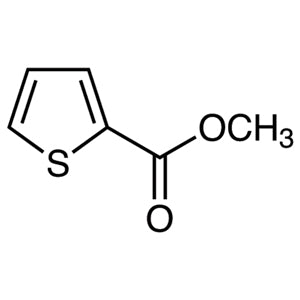
- TCI T1139 5380-42-7 Methyl 2-Thiophenecarboxylate
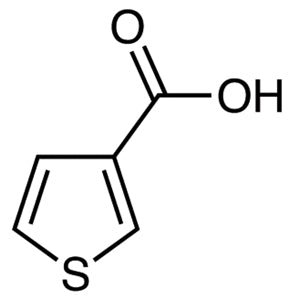
- TCI T1084 88-13-1 3-Thiophenecarboxylic Acid
- Organic synthesis of heterocyclic compounds due to its reactive thiophene ring and carboxylate group.
- Development of pharmaceuticals and industrial chemicals through structural modification and substitution reactions.
- Research in pharmacological compound synthesis, leveraging its ability to participate in various chemical transformations.
- Creation of complex molecular structures for advanced chemical research and material development.
- Use in academic and industrial laboratories for the production of bioactive compounds and specialty chemicals.
| Brand | TCI |
|---|---|
| CAS number | 5118-06-9 |
| Molecular formula | — |
| Purity | — |
| Category | Chemistry > Building Blocks > Heterocyclic Building Blocks |
| Pack sizes | Available in various quantities as per supplier specifications |
| Physical form | Solid or liquid, depending on the specific product variant |
| Storage | Store in a cool, dry place away from direct sunlight and moisture |
This compound should be stored in a cool, dry environment, away from direct sunlight and moisture to maintain its chemical integrity. It is recommended to use airtight containers made of glass or high-density polyethylene to prevent contamination and degradation. Due to its reactivity, it should be handled with care, using appropriate personal protective equipment such as gloves and safety goggles. Avoid exposure to strong acids or bases to prevent unwanted chemical reactions. Proper ventilation is essential when working with this material to ensure a safe laboratory environment. Always follow standard laboratory safety protocols when handling reactive chemicals.
—
Produk Terkait
-
2-Thiophenecarboxamide TCI T1252
Regular price Rp 1.405.950,00Regular price -
2-Amino-5-methyl-3-thiophenecarbonitrile TCI A2351
Regular price From Rp 928.200,00Regular price -
Methyl3-Amino-2-thiophenecarboxylate TCI A1039
Regular price From Rp 1.538.250,00Regular price -
2-ThiophenecarboxylicHydrazide TCI T1140
Regular price Rp 2.439.150,00Regular price -
Methyl2-Thiophenecarboxylate TCI T1139
Regular price From Rp 848.400,00Regular price -
3-ThiophenecarboxylicAcid TCI T1084
Regular price From Rp 1.644.300,00Regular price -
Ethyl2-Thiophenecarboxylate TCI T0904
Regular price From Rp 1.035.300,00Regular price -
3-Thiophenecarboxaldehyde TCI T0864
Regular price From Rp 1.353.450,00Regular price