TCI T1084 is 3-Thiophenecarboxylic Acid (CAS 88-13-1), a carboxylic acid whose acid group is attached at position 3 of the thiophene ring. Thiophene is a five-membered aromatic ring containing a sulfur atom, and this compound belongs to the family of heterocyclic building blocks. In the laboratory it is used to introduce a thiophene unit into larger molecules, and its carboxylic acid group is easily converted into amides, esters, or acyl chlorides.
Thiophene is often regarded as a bioisostere of the benzene ring in medicinal chemistry, which makes derivatives of this acid attractive to researchers assembling bioactive molecules. The thiophene ring is also a basic unit in many organic semiconductor materials and conjugated polymers. Substitution at position 3 gives a different regiochemical pattern from the 2-isomer, so the compound is useful when a researcher needs a specific molecular geometry. These features explain why it is a preferred choice for synthetic planning.
In Indonesia, 3-Thiophenecarboxylic Acid is relevant to organic synthesis laboratories, medicinal chemistry groups, and functional materials research at universities and research institutions. Practitioners can use it as a starting material for building a library of thiophene amides, for preparing ester intermediates, or for exploring thiophene-containing structures in early-stage research programs. Pack sizes of 5 g and 25 g suit small to medium scale experiments.
TCI brochures (PDF)
- Thiophenes 2026-06-29 · p. 8
Related TCI products
- TCI T1252 5813-89-8 2-Thiophenecarboxamide
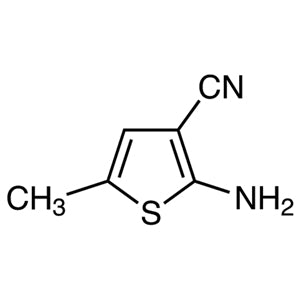
- TCI A2351 138564-58-6 2-Amino-5-methyl-3-thiophenecarbonitrile
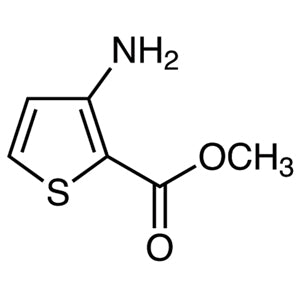
- TCI A1039 22288-78-4 Methyl 3-Amino-2-thiophenecarboxylate
- TCI T1140 2361-27-5 2-Thiophenecarboxylic Hydrazide
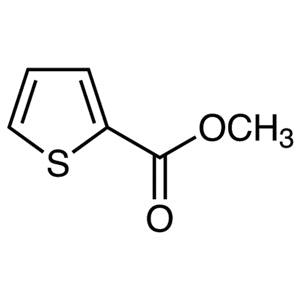
- TCI T1139 5380-42-7 Methyl 2-Thiophenecarboxylate
- TCI T0904 2810-04-0 Ethyl 2-Thiophenecarboxylate
- Synthesis of thiophene amides: the carboxylic acid group couples readily with amines, so this compound suits researchers who want to build a library of amide derivatives that carry a thiophene ring.
- Preparation of ester intermediates: the acid group can be converted into esters, which makes the compound a convenient starting point for multistep syntheses that need a thiophene unit at position 3.
- Medicinal chemistry research: because thiophene is often treated as a bioisostere of benzene, this acid helps chemists explore ring replacement strategies when designing and comparing candidate bioactive molecules.
- Functional materials research: the thiophene ring is a core unit in organic semiconductors and conjugated polymers, so this building block supports groups developing new materials from thiophene-based precursors.
- Regiochemistry studies: position 3 substitution gives a different pattern from the 2-isomer, so the compound is useful for comparing how substitution position affects molecular geometry and the behaviour of the products.
| Brand | TCI |
|---|---|
| CAS number | 88-13-1 |
| Molecular formula | — |
| Purity | — |
| Category | Chemistry > Building Blocks > Heterocyclic Building Blocks |
| Pack sizes | 5 g and 25 g |
| Physical form | — |
| Storage | keep in a tightly closed container, following the supplier's label and safety data sheet |
- Product code: T1084
Store 3-Thiophenecarboxylic Acid in its original, tightly closed container, in a cool, dry, well-ventilated place away from direct sunlight, heat sources, and incompatible materials such as strong oxidizers. Always follow the storage conditions printed on the label and in the safety data sheet. Handle the material in a fume hood or well-ventilated area, and wear a laboratory coat, safety glasses, and chemical-resistant gloves. Avoid creating dust, avoid contact with skin and eyes, and wash hands after handling. Label any transfer containers clearly, and dispose of waste according to institutional and local regulations.
—
Produk Terkait
-
2-Thiophenecarboxamide TCI T1252
Regular price Rp 1.458.450,00Regular priceRp 1.035.300,00Sale price Rp 1.458.450,00 -
2-Amino-5-methyl-3-thiophenecarbonitrile TCI A2351
Regular price From Rp 980.700,00Regular priceRp 701.400,00Sale price From Rp 980.700,00 -
Methyl3-Amino-2-thiophenecarboxylate TCI A1039
Regular price From Rp 1.590.750,00Regular priceRp 1.127.700,00Sale price From Rp 1.590.750,00 -
2-ThiophenecarboxylicHydrazide TCI T1140
Regular price Rp 2.491.650,00Regular priceRp 1.757.700,00Sale price Rp 2.491.650,00 -
Methyl2-Thiophenecarboxylate TCI T1139
Regular price From Rp 900.900,00Regular priceRp 645.750,00Sale price From Rp 900.900,00 -
Ethyl2-Thiophenecarboxylate TCI T0904
Regular price From Rp 1.087.800,00Regular priceRp 775.950,00Sale price From Rp 1.087.800,00 -
3-Thiophenecarboxaldehyde TCI T0864
Regular price From Rp 1.405.950,00Regular priceRp 998.550,00Sale price From Rp 1.405.950,00 -
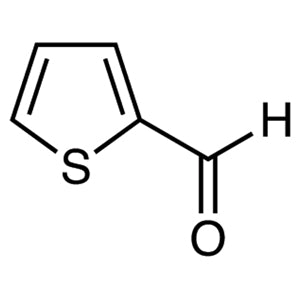
2-Thiophenecarboxaldehyde(stabilizedwithHQ) TCI T0725
Regular price Rp 1.458.450,00Regular priceRp 1.035.300,00Sale price Rp 1.458.450,00