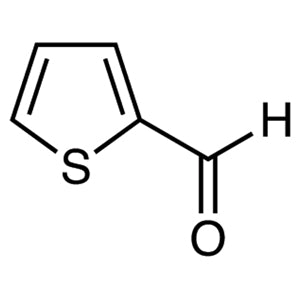
TCI T1140 2-Thiophenecarboxylic Hydrazide (CAS 2361-27-5) is a hydrazide derived from 2-thiophenecarboxylic acid and belongs to the family of heterocyclic building blocks. In the laboratory, its reactive hydrazide group makes it a valuable intermediate in organic synthesis. It is commonly used to form hydrazones and to construct more advanced heterocyclic rings, while the thiophene ring is carried into the final molecule as part of its structure.
The hydrazide group contains a nucleophilic nitrogen atom that readily condenses with aldehydes and ketones to give hydrazones. Under suitable conditions, these hydrazones can then be cyclized into heterocycles such as oxadiazoles or triazoles. The thiophene ring contributes a sulfur-containing aromatic character that is frequently found in bioactive candidate compounds. Together, these two features make the material attractive for building compound libraries and for structure-activity exploration in medicinal chemistry and coordination chemistry.
In Indonesian laboratories, the 10 g pack size is sufficient for several series of research-scale syntheses, from screening reaction conditions to preparing a number of derivatives. The material suits organic chemistry, medicinal chemistry, and inorganic chemistry groups that study ligands and heterocyclic frameworks. Supplied under the TCI brand through AMI Scientific, it fits routine synthetic workflows where a dependable heterocyclic starting material is needed.
TCI brochures (PDF)
- Thiophenes 2026-06-29 · p. 8
Related TCI products
- TCI T1252 5813-89-8 2-Thiophenecarboxamide
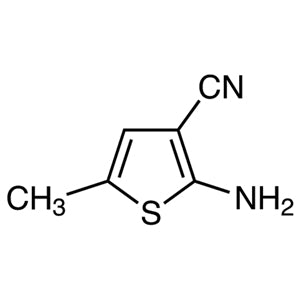
- TCI A2351 138564-58-6 2-Amino-5-methyl-3-thiophenecarbonitrile
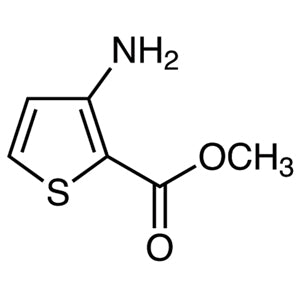
- TCI A1039 22288-78-4 Methyl 3-Amino-2-thiophenecarboxylate
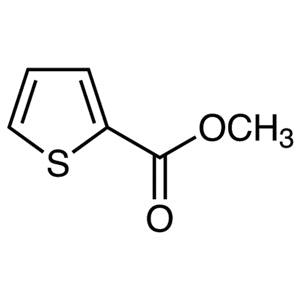
- TCI T1139 5380-42-7 Methyl 2-Thiophenecarboxylate
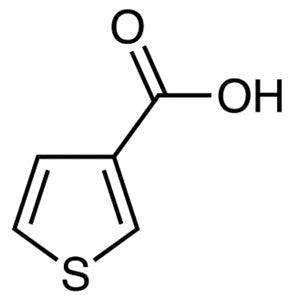
- TCI T1084 88-13-1 3-Thiophenecarboxylic Acid
- TCI T0904 2810-04-0 Ethyl 2-Thiophenecarboxylate
- Hydrazone formation: the nucleophilic nitrogen of the hydrazide group condenses readily with aldehydes and ketones, so this material is a convenient starting point for preparing hydrazone derivatives in a controlled, stepwise way.
- Oxadiazole synthesis: hydrazone intermediates made from this hydrazide can be cyclized under suitable conditions into oxadiazole rings, allowing the thiophene unit to be carried directly into a new heterocyclic framework.
- Triazole synthesis: the same hydrazide functionality supports routes to triazole-containing heterocycles, which makes the material useful for chemists who want to broaden the structural diversity of their target compounds.
- Compound library preparation: the thiophene ring and the reactive hydrazide group allow many analogues to be produced from one building block, which helps medicinal chemistry groups assemble libraries for structure-activity studies.
- Coordination chemistry studies: the hydrazide group and the sulfur-containing aromatic ring offer features that inorganic chemistry groups can exploit when designing and investigating ligands and their interactions with metal centres.
| Brand | TCI |
|---|---|
| CAS number | 2361-27-5 |
| Molecular formula | — |
| Purity | — |
| Category | Chemistry > Building Blocks > Heterocyclic Building Blocks |
| Pack sizes | 10 g |
| Physical form | — |
| Storage | keep tightly closed in a cool, dry place, following the supplier's label and safety data sheet |
- Product code: T1140
Store the material in its original, tightly closed container in a cool, dry, well-ventilated area, away from direct sunlight, heat sources, and incompatible substances such as strong oxidizers. Follow the storage instructions on the label and in the safety data sheet. When weighing or transferring the solid, work in a fume hood or a well-ventilated space and wear a laboratory coat, safety glasses, and chemical-resistant gloves. Because hydrazide compounds can be hazardous, avoid inhalation of dust and contact with skin and eyes. Close the container promptly after use to limit exposure to moisture and air, and label any secondary containers clearly. Dispose of waste in line with your institution's chemical waste procedures and local regulations.
—
Produk Terkait
-
2-Thiophenecarboxamide TCI T1252
Regular price Rp 1.458.450,00Regular priceRp 1.035.300,00Sale price Rp 1.458.450,00 -
2-Amino-5-methyl-3-thiophenecarbonitrile TCI A2351
Regular price From Rp 980.700,00Regular priceRp 701.400,00Sale price From Rp 980.700,00 -
Methyl3-Amino-2-thiophenecarboxylate TCI A1039
Regular price From Rp 1.590.750,00Regular priceRp 1.127.700,00Sale price From Rp 1.590.750,00 -
Methyl2-Thiophenecarboxylate TCI T1139
Regular price From Rp 900.900,00Regular priceRp 645.750,00Sale price From Rp 900.900,00 -
3-ThiophenecarboxylicAcid TCI T1084
Regular price From Rp 1.696.800,00Regular priceRp 1.202.250,00Sale price From Rp 1.696.800,00 -
Ethyl2-Thiophenecarboxylate TCI T0904
Regular price From Rp 1.087.800,00Regular priceRp 775.950,00Sale price From Rp 1.087.800,00 -
3-Thiophenecarboxaldehyde TCI T0864
Regular price From Rp 1.405.950,00Regular priceRp 998.550,00Sale price From Rp 1.405.950,00 -
2-Thiophenecarboxaldehyde(stabilizedwithHQ) TCI T0725
Regular price Rp 1.458.450,00Regular priceRp 1.035.300,00Sale price Rp 1.458.450,00