TCI T1139 Methyl 2-Thiophenecarboxylate (CAS 5380-42-7) is the methyl ester of 2-thiophenecarboxylic acid. In the laboratory it serves as a simple yet versatile heterocyclic building block for organic synthesis. The thiophene ring carrying an ester group at the 2-position gives chemists a clear starting point for a wide range of modifications, whether at the ester group itself or on the aromatic ring. It belongs to the Heterocyclic Building Blocks category within the broader Chemistry range and is supplied under the TCI brand.
The properties that make this compound a preferred choice come from its straightforward structure. The ester group can be hydrolyzed to the acid, reduced to an alcohol, or converted into amides and hydrazides by reaction with amines or hydrazine. The thiophene ring, in turn, can undergo electrophilic substitution, halogenation, or lithiation directed by the ester group. Because the molecule is so simple, its reactions are easy to follow by spectroscopy, which makes it suitable both as a model substrate and as a starting material for more complex thiophene derivatives.
In Indonesian laboratories, the 5 g and 25 g pack sizes offer a practical choice for advanced practical courses, small-scale research, and reaction optimization. The material is useful to organic chemistry and medicinal chemistry groups that need a dependable thiophene-based starting point. Research teams working on pharmaceutical and materials projects can use it to build derivative libraries, test new reaction conditions, and train students in heterocyclic chemistry without committing large quantities of reagent.
TCI brochures (PDF)
- Thiophenes 2026-06-29 · p. 8
Related TCI products
- TCI T1252 5813-89-8 2-Thiophenecarboxamide
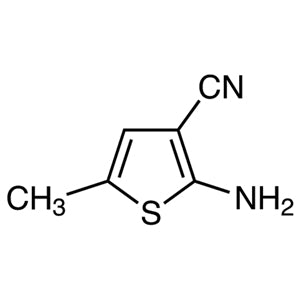
- TCI A2351 138564-58-6 2-Amino-5-methyl-3-thiophenecarbonitrile
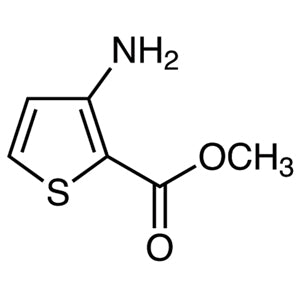
- TCI A1039 22288-78-4 Methyl 3-Amino-2-thiophenecarboxylate
- TCI T1140 2361-27-5 2-Thiophenecarboxylic Hydrazide
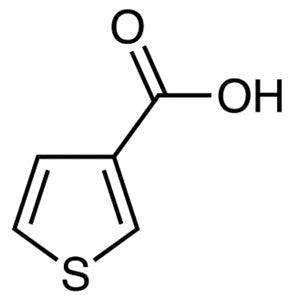
- TCI T1084 88-13-1 3-Thiophenecarboxylic Acid
- TCI T0904 2810-04-0 Ethyl 2-Thiophenecarboxylate
- Ester hydrolysis to the acid: the methyl ester converts to 2-thiophenecarboxylic acid, a simple transformation that suits teaching laboratories and reaction development work.
- Reduction to the alcohol: the ester group can be reduced to the corresponding alcohol, giving a thiophene-based intermediate for further synthetic steps in research projects.
- Amide and hydrazide synthesis: reaction with amines or hydrazine gives amides and hydrazides, so this building block is well suited to preparing derivative series in medicinal chemistry.
- Ring functionalization: the thiophene ring accepts electrophilic substitution, halogenation, and ester-directed lithiation, which allows chemists to build more elaborate thiophene derivatives from one simple substrate.
- Model substrate for method development: its simple structure is easy to monitor by spectroscopy, so it works well for optimizing reaction conditions in pharmaceutical and materials research.
| Brand | TCI |
|---|---|
| CAS number | 5380-42-7 |
| Molecular formula | — |
| Purity | — |
| Category | Chemistry > Building Blocks > Heterocyclic Building Blocks |
| Pack sizes | 5 g and 25 g |
| Physical form | — |
| Storage | keep tightly closed in a cool, dry, well-ventilated place and follow the supplier's label and safety data sheet |
- Product code: T1139
Store the container tightly closed in a cool, dry place, away from heat sources, direct sunlight, and incompatible materials such as strong oxidizers. Keep the product in its original supplier bottle or in a clean, dry, properly labeled glass container with a secure cap. Work with clean, dry equipment in a well-ventilated area or a fume hood. Wear suitable protective equipment, including safety glasses, gloves, and a laboratory coat, and avoid contact with skin and eyes as well as inhalation of vapors. Consult the safety data sheet for detailed hazard information, and dispose of waste according to laboratory and local regulations.
—
Produk Terkait
-
2-Thiophenecarboxamide TCI T1252
Regular price Rp 1.458.450,00Regular priceRp 1.035.300,00Sale price Rp 1.458.450,00 -
2-Amino-5-methyl-3-thiophenecarbonitrile TCI A2351
Regular price From Rp 980.700,00Regular priceRp 701.400,00Sale price From Rp 980.700,00 -
Methyl3-Amino-2-thiophenecarboxylate TCI A1039
Regular price From Rp 1.590.750,00Regular priceRp 1.127.700,00Sale price From Rp 1.590.750,00 -
2-ThiophenecarboxylicHydrazide TCI T1140
Regular price Rp 2.491.650,00Regular priceRp 1.757.700,00Sale price Rp 2.491.650,00 -
3-ThiophenecarboxylicAcid TCI T1084
Regular price From Rp 1.696.800,00Regular priceRp 1.202.250,00Sale price From Rp 1.696.800,00 -
Ethyl2-Thiophenecarboxylate TCI T0904
Regular price From Rp 1.087.800,00Regular priceRp 775.950,00Sale price From Rp 1.087.800,00 -
3-Thiophenecarboxaldehyde TCI T0864
Regular price From Rp 1.405.950,00Regular priceRp 998.550,00Sale price From Rp 1.405.950,00 -
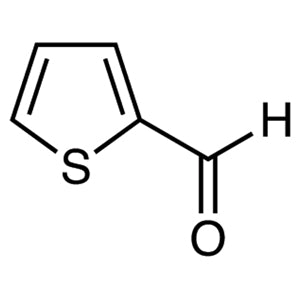
2-Thiophenecarboxaldehyde(stabilizedwithHQ) TCI T0725
Regular price Rp 1.458.450,00Regular priceRp 1.035.300,00Sale price Rp 1.458.450,00