


5-Methyl-2-(2H-1,2,3-triazol-2-yl)benzoic Acid is a versatile organic compound widely used in synthetic chemistry for its unique structural features. This heterocyclic building block combines a triazole ring with a benzoic acid moiety, making it a valuable reagent in the development of complex molecules. Its role in laboratory settings is critical for researchers aiming to create compounds with specific biological or chemical properties. Due to its reactivity and compatibility with various functional groups, it is a key component in numerous synthetic pathways.
The compound's high reactivity and ability to participate in substitution, coupling, and structural modification reactions make it a preferred choice for chemists. Its solid form and stability under controlled conditions allow for easy handling and storage, which is essential for consistent experimental results. Additionally, its ability to interact with a wide range of functional groups enhances its utility in diverse synthetic strategies. These properties make it an essential tool in both academic and industrial research environments.
In Indonesian laboratories, this compound is commonly used in pure and applied chemical research. It plays a vital role in the synthesis of bioactive compounds, pharmaceuticals, and specialty chemicals. Researchers in universities and research institutions rely on its structural versatility to explore new chemical transformations and develop innovative materials. Its presence in the laboratory supports the advancement of chemical science and technology in Indonesia.
Related TCI products
- TCI T3788 157069-48-2 4-(4H-1,2,4-Triazol-4-yl)benzoic Acid
- TCI T3797 74205-82-6 (1H-1,2,4-Triazol-1-yl)methanol
- TCI T3013 6523-49-5 4-(1,2,4-Triazol-1-yl)aniline
- TCI A3799 3325-11-9 1H-Benzo[d][1,2,3]triazol-5-amine
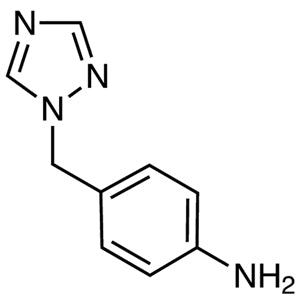
- TCI A2148 119192-10-8 4-(1,2,4-Triazol-1-ylmethyl)aniline
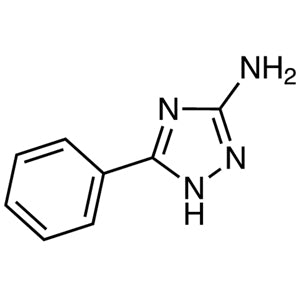
- TCI P2658 4922-98-9 5-Phenyl-1H-1,2,4-triazol-3-amine
- Organic synthesis applications benefit from its structural versatility, enabling the creation of complex molecules with specific biological activities.
- Pharmaceutical research utilizes it to develop new drugs by modifying molecular frameworks for improved therapeutic effects.
- Industrial chemical production relies on its reactivity to synthesize specialty compounds used in various sectors like agriculture and materials science.
- Academic research employs it as a building block for exploring new chemical reactions and molecular design strategies.
- Analytical chemistry uses it as a reference standard for identifying and quantifying similar compounds in complex mixtures.
| Brand | TCI |
|---|---|
| CAS number | 956317-36-5 |
| Molecular formula | — |
| Purity | — |
| Category | Chemistry > Building Blocks > Heterocyclic Building Blocks |
| Pack sizes | Available in various quantities as per standard laboratory requirements |
| Physical form | Solid |
| Storage | Store in a cool, dry place away from direct sunlight and moisture |
This compound should be stored in a cool, dry environment to maintain its stability and prevent degradation. It is recommended to use airtight containers to minimize exposure to moisture and air, which can affect its reactivity. Laboratory personnel should handle it with care, using appropriate personal protective equipment such as gloves and safety goggles. Due to its chemical nature, it should be kept away from incompatible substances to avoid unwanted reactions. Proper labeling of storage containers is essential for safe handling and easy identification. Regular inspection of storage conditions ensures the compound remains in optimal condition for use in experiments.
—
Product Categories
Produk Terkait
-
4-(4H-1,2,4-Triazol-4-yl)benzoicAcid TCI T3788
Regular price From Rp 1.696.800,00Regular price -
(1H-1,2,4-Triazol-1-yl)methanol TCI T3797
Regular price Rp 3.738.000,00Regular price -
4-(1,2,4-Triazol-1-yl)aniline TCI T3013
Regular price Rp 1.115.100,00Regular price -
1H-Benzo[d][1,2,3]triazol-5-amine TCI A3799
Regular price From Rp 1.378.650,00Regular price -
4-(1,2,4-Triazol-1-ylmethyl)aniline TCI A2148
Regular price From Rp 477.750,00Regular price -
5-Phenyl-1H-1,2,4-triazol-3-amine TCI P2658
Regular price From Rp 3.446.100,00Regular price -
5-(4-Chlorobenzyl)-2,2-dimethyl-1-[(1H-1,2,4-triazol-1-yl)methyl]cyclopentanol TCI M3246
Regular price From Rp 477.750,00Regular price -
4-[2-(2-Amino-4,7-dihydro-4-oxo-3H-pyrrolo[2,3-d]pyrimidin-5-yl)ethyl]benzoicAcid TCI A2618
Regular price From Rp 928.200,00Regular price


![3325-11-9 1H-Benzo[d][1,2,3]triazol-5-amine - AMI Scientific](http://amiscientific.com/cdn/shop/files/TCI2510A3799.jpg?v=1767084792&width=533)
![125116-23-6 5-(4-Chlorobenzyl)-2,2-dimethyl-1-[(1H-1,2,4-triazol-1-yl)methyl]cyclopentanol - AMI Scientific](http://amiscientific.com/cdn/shop/files/TCI2510M3246.jpg?v=1767127965&width=533)
![137281-39-1 4-[2-(2-Amino-4,7-dihydro-4-oxo-3H-pyrrolo[2,3-d]pyrimidin-5-yl)ethyl]benzoic Acid - AMI Scientific](http://amiscientific.com/cdn/shop/files/TCI2510A2618.jpg?v=1767083121&width=533)