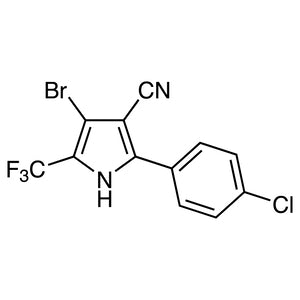
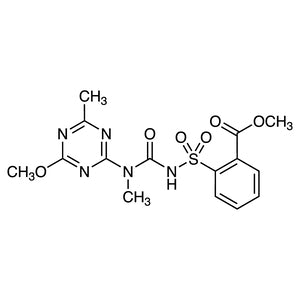
Monolinuron is a chemical compound widely used in nutritional and cell biology research. As a synthetic herbicide, it plays a crucial role in controlling weed growth in agricultural environments and laboratory ecosystems. In research settings, Monolinuron is frequently employed to investigate plant growth mechanisms and responses to environmental stimuli. Its application extends to studies examining the effects of chemical compounds on plant metabolism, making it a valuable tool for scientists.
Monolinuron is favored for its chemical stability and good solubility in organic solvents. These properties make it highly versatile for use in various experimental formats, whether in solution or solid form. Its non-toxic nature also makes it suitable for high-safety research environments. Additionally, its ability to inhibit photosynthesis in plants enhances its utility in agricultural and environmental studies.
In Indonesian laboratories, Monolinuron is extensively used in agricultural research, plant nutrition studies, and environmental biology. It is commonly found in research institutions and universities, supporting a wide range of scientific investigations. Its reliability and effectiveness have made it a preferred choice among researchers in the region.
TCI brochures (PDF)
- Agrochemical Ingredients for Research and Experimental Use 2026-01-08 · p. 3
- Plant Research Reagents 2026-02-24 · p. 10
- Agricultural Research – Monolinuron is used to study plant growth inhibition and environmental impact due to its herbicidal properties.
- Plant Nutrition Studies – It helps in analyzing how chemical compounds affect plant metabolism and nutrient uptake.
- Environmental Biology – Monolinuron is employed to investigate the effects of synthetic herbicides on ecosystems and plant responses.
- Cell Culture Experiments – Its stability and solubility make it suitable for use in controlled biological experiments.
- Toxicology Studies – The compound’s non-toxic nature allows for safe handling in research requiring high safety standards.
| Brand | — |
|---|---|
| CAS number | — |
| Molecular formula | — |
| Purity | — |
| Category | — |
| Pack sizes | — |
| Physical form | — |
| Storage | — |
- Brand – TCI
- CAS Number – 1746-81-2
- Category – Life Science > Cell Biology > Nutrition Research
- Pack Sizes – Available in various sizes as per supplier specifications
- Physical Form – Solid
- Storage Note – Store in a cool, dry place away from direct sunlight
Monolinuron should be stored in a cool, dry place, away from direct sunlight and sources of heat. It is recommended to use airtight containers to prevent moisture absorption and maintain chemical stability. Due to its non-toxic nature, general laboratory precautions are sufficient, though proper handling and disposal should follow standard chemical safety protocols. It is advisable to keep the compound in a well-ventilated area to ensure safe handling. Always follow standard laboratory safety procedures when working with chemical substances to minimize risks.
—
Produk Terkait
-
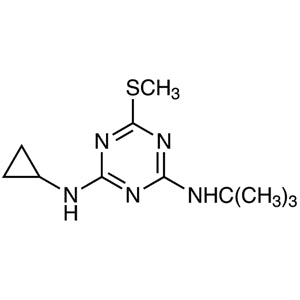
2-(tert-Butylamino)-4-(cyclopropylamino)-6-(methylthio)-1,3,5-triazine TCI I0842
Regular price From Rp 1.644.300,00Regular price -
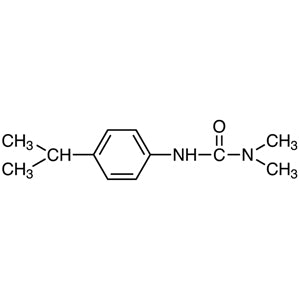
Isoproturon TCI I0843
Regular price From Rp 1.298.850,00Regular price -
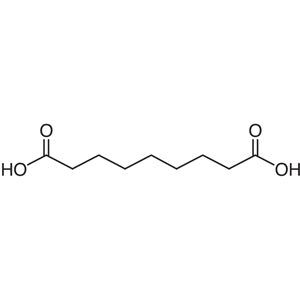
AzelaicAcid TCI A0561
Regular price From Rp 505.050,00Regular price -
AbieticAcid TCI A0001
Regular price From Rp 1.510.950,00Regular price -
Sulfentrazone TCI U0110
Regular price From Rp 2.411.850,00Regular price -
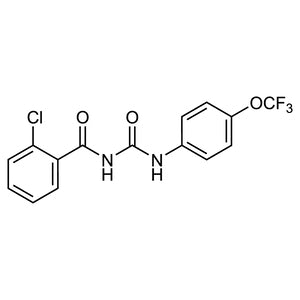
Triflumuron TCI T4364
Regular price From Rp 1.220.100,00Regular price -
Tralopyril TCI T4109
Regular price From Rp 2.730.000,00Regular price -
Tribenuron-methyl TCI T4085
Regular price From Rp 2.359.350,00Regular price