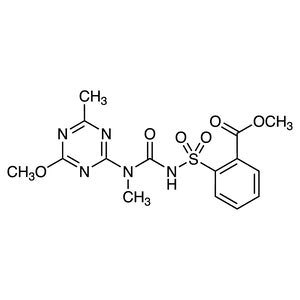
Metolachlor is a synthetic herbicide widely used in life science research, particularly in cell biology and nutrition studies. It serves as an active ingredient in experiments assessing the efficacy of chemical compounds in weed control. Its role in laboratory settings is critical for studying the impact of chemical substances on plant growth and enzymatic activity. Researchers rely on Metolachlor to induce measurable biological responses, making it an essential tool for quantitative analysis in controlled environments.
The chemical stability of Metolachlor and its solubility in organic solvents make it a preferred choice for various analytical methods. Its controlled reactivity allows for precise dosing, ensuring consistent experimental results. Additionally, its low toxicity at specified concentrations ensures a safe working environment, making it suitable for long-term use in research laboratories. These properties contribute to its reliability and reproducibility in scientific studies.
In Indonesian laboratories, Metolachlor is commonly used in agricultural and environmental research. It is frequently employed in studies examining the effects of chemical compounds on ecosystems and crop development. Its availability and consistent performance make it a valuable resource for academic institutions and research centers in Indonesia. The compound’s versatility supports a wide range of experimental applications, enhancing the scope of scientific inquiry in the region.
TCI brochures (PDF)
- Agrochemical Ingredients for Research and Experimental Use 2026-01-08 · p. 3
- Plant Research Reagents 2026-02-24 · p. 10
- Weed control studies benefit from Metolachlor’s effectiveness in testing herbicide performance against various plant species.
- Enzymatic activity analysis uses Metolachlor to observe how chemical compounds influence biochemical processes in plant cells.
- Nutritional research incorporates Metolachlor to assess its impact on plant growth and nutrient uptake mechanisms.
- Environmental impact studies utilize Metolachlor to evaluate the effects of synthetic chemicals on soil and aquatic ecosystems.
- Agricultural research employs Metolachlor to develop sustainable weed management strategies for crop production.
| Brand | TCI |
|---|---|
| CAS number | 51218-45-2 |
| Molecular formula | — |
| Purity | — |
| Category | Life Science > Cell Biology > Nutrition Research |
| Pack sizes | Available in various quantities as per supplier specifications |
| Physical form | Solid (as per standard product description) |
| Storage | Store in a cool, dry place away from direct sunlight |
Metolachlor should be stored in a cool, dry environment to maintain its chemical stability and prevent degradation. It is recommended to use airtight containers to avoid exposure to moisture and air, which can affect its potency. Due to its controlled reactivity, it should be handled with appropriate laboratory safety measures, such as gloves and goggles. Storage should be in a well-ventilated area to minimize any potential risks. Regular monitoring of storage conditions ensures the material remains suitable for use in research applications. Proper labeling and secure storage are essential to prevent accidental exposure or contamination.
—
Produk Terkait
-
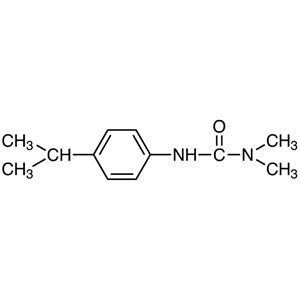
Isoproturon TCI I0843
Regular price From Rp 1.351.350,00Regular priceRp 960.750,00Sale price From Rp 1.351.350,00 -
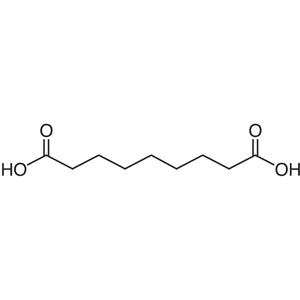
AzelaicAcid TCI A0561
Regular price From Rp 557.550,00Regular priceRp 405.300,00Sale price From Rp 557.550,00 -
AbieticAcid TCI A0001
Regular price From Rp 1.563.450,00Regular priceRp 1.108.800,00Sale price From Rp 1.563.450,00 -
Sulfentrazone TCI U0110
Regular price From Rp 2.464.350,00Regular priceRp 1.738.800,00Sale price From Rp 2.464.350,00 -
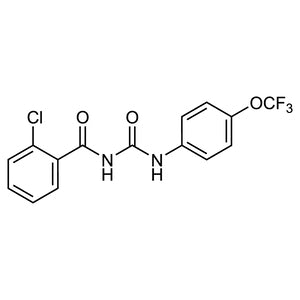
Triflumuron TCI T4364
Regular price From Rp 1.272.600,00Regular priceRp 905.100,00Sale price From Rp 1.272.600,00 -
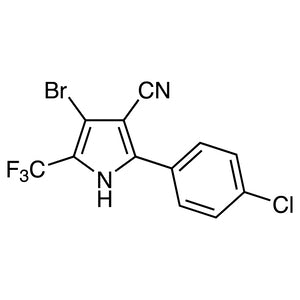
Tralopyril TCI T4109
Regular price From Rp 2.782.500,00Regular priceRp 1.961.400,00Sale price From Rp 2.782.500,00 -
Tribenuron-methyl TCI T4085
Regular price From Rp 2.411.850,00Regular priceRp 1.702.050,00Sale price From Rp 2.411.850,00