Metribuzin is a chemical compound widely used in nutrition and cell biology research. It serves as an insecticide and herbicide, playing a crucial role in pest control across various agricultural and ecological environments. In the laboratory, Metribuzin is essential for studying its effects on plant growth and environmental interactions. Its chemical stability and solubility in organic solvents like ethyl acetate make it a versatile tool for analytical techniques such as chromatography and spectroscopy. This compound is frequently used to investigate the impact of chemical substances on biological systems, contributing to advancements in agricultural and environmental science.
Metribuzin is preferred due to its consistent chemical properties and solubility in a range of organic solvents. These characteristics allow for reliable and reproducible experimental results, making it ideal for both qualitative and quantitative analysis. Its stability under various laboratory conditions ensures that it remains a dependable reagent for long-term studies. Additionally, its compatibility with common analytical methods enhances its utility in research settings. These features make Metribuzin a valuable asset for scientists working in nutrition, environmental, and biological research.
In Indonesian laboratories, Metribuzin is commonly used in agricultural, environmental, and nutritional studies. Researchers and institutions utilize it to examine the chemical impact on plant growth and ecosystem dynamics. Its availability in 1g and 5g packaging supports both small-scale and larger experimental setups. This compound is integral to studies aimed at understanding the role of pesticides in ecological balance and food security, making it a key component in Indonesian scientific research.
TCI brochures (PDF)
- Agrochemical Ingredients for Research and Experimental Use 2026-01-08 · p. 3
- Plant Research Reagents 2026-02-24 · p. 10
- Nutritional Research: Metribuzin is used to study the impact of chemical compounds on plant growth and nutrient absorption.
- Environmental Toxicology: It helps analyze the effects of pesticides on ecosystems and soil health.
- Agricultural Science: Metribuzin is applied to assess its role in pest control and crop protection strategies.
- Cell Biology: The compound is used to investigate its interactions with biological systems and cellular processes.
- Chemical Analysis: Its solubility and stability make it suitable for chromatographic and spectroscopic analysis techniques.
| Brand | TCI |
|---|---|
| CAS number | 21087-64-9 |
| Molecular formula | — |
| Purity | — |
| Category | Life Science > Cell Biology > Nutrition Research |
| Pack sizes | 1g, 5g |
| Physical form | Solid |
| Storage | Store in a cool, dry place away from light and moisture |
Metribuzin should be stored in a cool, dry place away from direct light and moisture to maintain its chemical stability. It is recommended to use airtight containers to prevent contamination and degradation. Due to its potential chemical reactivity, it should be handled with appropriate personal protective equipment, such as gloves and safety goggles. Proper ventilation is essential when working with this compound to minimize inhalation risks. Storage conditions should be consistent to ensure the integrity of the material during long-term use. Regular inspection of storage containers is advised to ensure they remain sealed and secure.
—
Produk Terkait
-
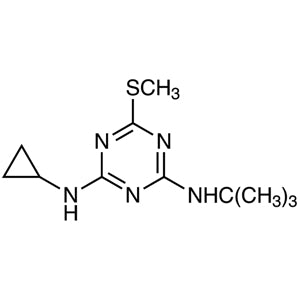
2-(tert-Butylamino)-4-(cyclopropylamino)-6-(methylthio)-1,3,5-triazine TCI I0842
Regular price From Rp 1.696.800,00Regular priceRp 1.202.250,00Sale price From Rp 1.696.800,00 -
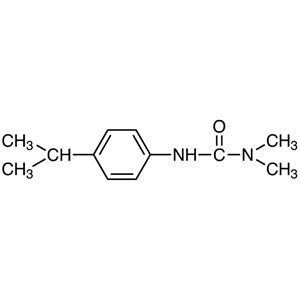
Isoproturon TCI I0843
Regular price From Rp 1.351.350,00Regular priceRp 960.750,00Sale price From Rp 1.351.350,00 -
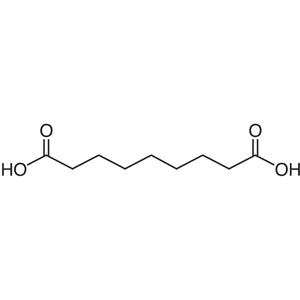
AzelaicAcid TCI A0561
Regular price From Rp 557.550,00Regular priceRp 405.300,00Sale price From Rp 557.550,00 -
AbieticAcid TCI A0001
Regular price From Rp 1.563.450,00Regular priceRp 1.108.800,00Sale price From Rp 1.563.450,00 -
Sulfentrazone TCI U0110
Regular price From Rp 2.464.350,00Regular priceRp 1.738.800,00Sale price From Rp 2.464.350,00 -
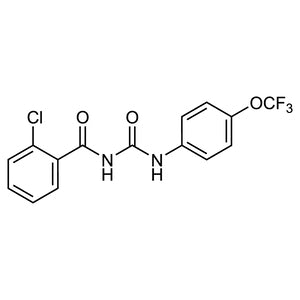
Triflumuron TCI T4364
Regular price From Rp 1.272.600,00Regular priceRp 905.100,00Sale price From Rp 1.272.600,00 -
Tralopyril TCI T4109
Regular price From Rp 2.782.500,00Regular priceRp 1.961.400,00Sale price From Rp 2.782.500,00 -
Tribenuron-methyl TCI T4085
Regular price From Rp 2.411.850,00Regular priceRp 1.702.050,00Sale price From Rp 2.411.850,00