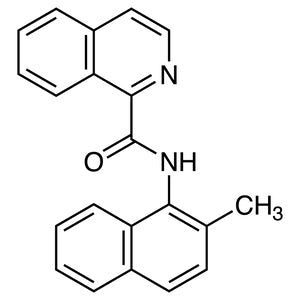
N-(2-Methylnaphthalen-1-yl)isoquinoline-1-carboxamide is a complex chemical compound widely used in synthetic laboratory reactions. As a heterocyclic building block, it plays a crucial role in the construction of more complex organic molecules. Its unique molecular structure, consisting of two aromatic rings connected by a carbon bond, makes it a valuable tool for chemists working on advanced synthetic pathways. This compound is particularly useful in reactions that require precise control over heterocyclic structures, enabling the synthesis of a wide range of bioactive and functional molecules.
The compound’s chemical properties and reactivity make it a preferred choice for various synthetic applications. It exhibits favorable reactivity in substitution, coupling, and condensation reactions, which are essential in the development of new pharmaceuticals and materials. Its stability under controlled conditions allows for consistent performance in laboratory settings, making it a reliable reagent for both academic and industrial research. The versatility of its structure also supports its use in diverse chemical transformations, enhancing its value in organic synthesis.
In Indonesian laboratories, this compound is commonly used in scientific research related to the synthesis of bioactive compounds, drug development, and molecular structure studies. Its unique structure and reactivity make it a favored choice among researchers aiming to explore new chemical pathways and understand the behavior of heterocyclic compounds. Its application in these fields underscores its importance in advancing chemical and pharmaceutical research in Indonesia.
Related TCI products
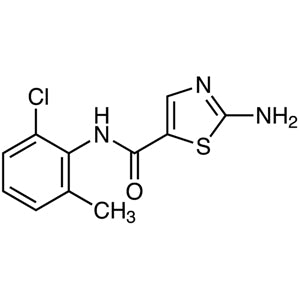
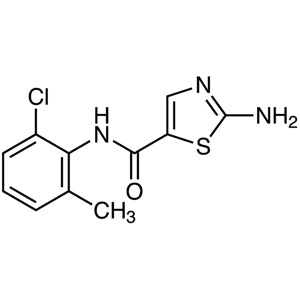
- TCI A2773 302964-24-5 2-Amino-N-(2-chloro-6-methylphenyl)thiazole-5-carboxamide
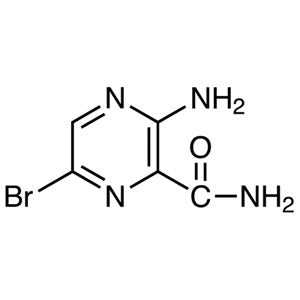
- TCI A2775 17890-77-6 3-Amino-6-bromopyrazine-2-carboxamide
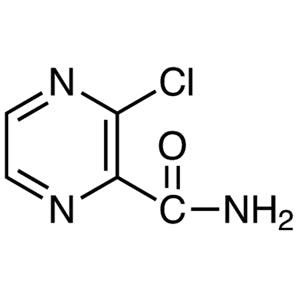
- TCI C3376 21279-62-9 3-Chloropyrazine-2-carboxamide
- TCI T2402 3641-08-5 1,2,4-Triazole-3-carboxamide
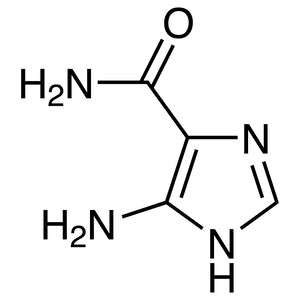
- TCI A3078 360-97-4 5-Amino-1H-imidazole-4-carboxamide
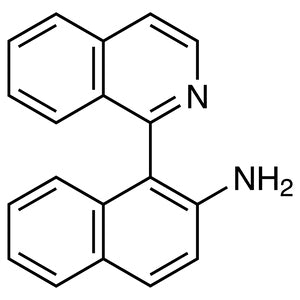
- TCI A2221 664302-70-9 1-(2-Amino-1-naphthyl)isoquinoline
- Bioactive Compound Synthesis: This compound is ideal for creating bioactive molecules due to its complex heterocyclic structure, enabling the design of novel pharmaceutical agents.
- Drug Development Research: Its reactivity supports the synthesis of drug candidates, making it a key reagent in pharmaceutical research programs.
- Organic Chemistry Studies: The compound’s unique molecular framework is used to investigate chemical reactivity and synthetic pathways in organic chemistry.
- Material Science Applications: Its structural versatility allows for the development of new materials with specific functional properties.
- Molecular Structure Analysis: Researchers use it to study the behavior and reactivity of heterocyclic compounds in various chemical environments.
| Brand | TCI |
|---|---|
| CAS number | 2809369-03-5 |
| Molecular formula | — |
| Purity | — |
| Category | Chemistry > Building Blocks > Heterocyclic Building Blocks |
| Pack sizes | Available in standard laboratory quantities |
| Physical form | Solid powder |
| Storage | Store in a cool, dry place away from light |
This compound should be stored in a cool, dry environment, away from direct light and sources of heat. It is recommended to use airtight containers to prevent exposure to moisture and air, which could affect its stability. When handling, it is important to use appropriate personal protective equipment, such as gloves and safety goggles, to minimize contact with skin and eyes. Due to its chemical nature, it should be kept in a well-ventilated area to avoid inhalation of vapors. Proper labeling of storage containers is essential to ensure safe handling and prevent accidental use. Always follow standard laboratory safety protocols when working with this compound to maintain a safe and controlled environment.
—
Produk Terkait
-
2-Amino-N-(2-chloro-6-methylphenyl)thiazole-5-carboxamide TCI A2773
Regular price From Rp 769.650,00Regular price -
3-Amino-6-bromopyrazine-2-carboxamide TCI A2775
Regular price Rp 4.133.850,00Regular price -
3-Chloropyrazine-2-carboxamide TCI C3376
Regular price From Rp 717.150,00Regular price -
1,2,4-Triazole-3-carboxamide TCI T2402
Regular price From Rp 2.094.750,00Regular price -
5-Amino-1H-imidazole-4-carboxamide TCI A3078
Regular price From Rp 1.618.050,00Regular price -
1-(2-Amino-1-naphthyl)isoquinoline TCI A2221
Regular price Rp 7.446.600,00Regular price -
2-Methylnaphth[2,1-d]oxazole TCI M2559
Regular price From Rp 1.510.950,00Regular price -
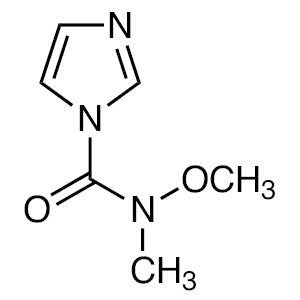
N-Methoxy-N-methyl-1H-imidazole-1-carboxamide TCI M2558
Regular price Rp 1.273.650,00Regular price

![20686-65-1 2-Methylnaphth[2,1-d]oxazole - AMI Scientific](http://amiscientific.com/cdn/shop/files/TCI2510M2559.jpg?v=1767126818&width=533)