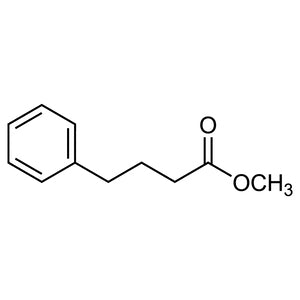
TCI M3860 is Methyl 4-Phenylbutanoate, the methyl ester of 4-phenylbutanoic acid, built on a four-carbon chain that carries a benzene ring at its terminus. The compound belongs to the non-heterocyclic building block family and is used very frequently in organic synthesis laboratories because it combines a reactive ester group, an aliphatic chain, and an aromatic ring within one simple molecule. This ester serves as a convenient starting point for forming carboxylic acids, alcohols, amides, and ketones, as well as for carbon–carbon bond forming reactions through the enolate generated at the position alpha to the carbonyl group.
The properties that make this compound a preferred choice are the predictable reactivity of the methyl ester and the mild reaction conditions it requires. Basic hydrolysis proceeds smoothly, reduction with hydride reagents cleanly delivers the primary alcohol, and aminolysis produces amides without the need for complicated activating agents. The four-carbon chain provides exactly the right distance between the aromatic ring and the carbonyl group, which is why this compound is often chosen as the starting material for intramolecular cyclization to build six-membered ring frameworks fused to a benzene ring. The phenyl ring also makes reaction monitoring straightforward.
In Indonesian laboratories, this building block is commonly held as a standard shelf item in synthetic organic chemistry groups at universities and research institutes, as well as in pharmaceutical and fine chemical development work. It is typically drawn upon for multi-step synthesis exercises, for preparing intermediates that require a benzene-linked aliphatic chain, and for method development studies where a simple, well-behaved ester substrate is needed to test new reaction conditions before moving on to more valuable materials.
- Ester hydrolysis and saponification work, where the methyl ester converts smoothly to 4-phenylbutanoic acid under basic conditions without requiring harsh reagents or unusual apparatus.
- Hydride reduction to primary alcohols, since the ester group reacts cleanly with hydride reagents and delivers the corresponding alcohol without complicating side transformations.
- Amide synthesis through aminolysis, allowing the direct conversion of the ester into amide products without the need for complicated coupling or activating agents.
- Carbon–carbon bond formation via enolate chemistry, exploiting the position alpha to the carbonyl group as a reliable nucleophilic site for alkylation and condensation reactions.
- Intramolecular cyclization studies, because the four-carbon spacer positions the carbonyl group at the correct distance to close six-membered rings fused to the benzene ring.
| Brand | TCI |
|---|---|
| CAS number | 2046-17-5 |
| Molecular formula | — |
| Purity | — |
| Category | Chemistry > Building Blocks > Non-Heterocyclic Building Blocks |
| Pack sizes | available in standard TCI catalogue pack sizes; please confirm the required size when ordering |
| Physical form | — |
| Storage | keep in a tightly closed original container in a cool, dry, well-ventilated place away from direct sunlight |
- Chemical name: Methyl 4-Phenylbutanoate
Store the container tightly closed in a cool, dry, and well-ventilated area, protected from direct sunlight and away from sources of ignition, heat, and incompatible reagents. The original manufacturer container is the most suitable vessel; where transfer is necessary, use clean, chemically compatible glassware with a secure closure and label it clearly. Handle the material in a fume hood, wear safety glasses, a laboratory coat, and suitable chemical-resistant gloves, and avoid contact with skin and eyes as well as inhalation of vapours. Keep the container closed when not in use to limit moisture uptake, and always consult the manufacturer safety data sheet before handling, storage, or disposal.
—
Produk Terkait
-
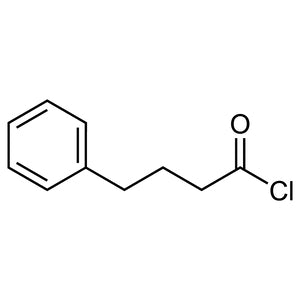
4-PhenylbutanoylChloride TCI B6620
Regular price From Rp 1.378.650,00Regular price -
3-Phenylbutanal TCI P3261
Regular price From Rp 1.776.600,00Regular price -
Pentyl3-Methylbutanoate TCI A3780
Regular price From Rp 2.332.050,00Regular price -
Hexyl3-Methylbutanoate TCI H1921
Regular price Rp 1.087.800,00Regular price -
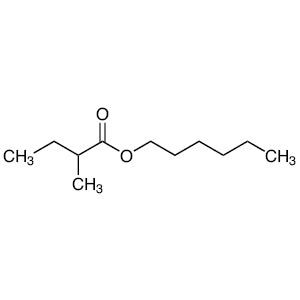
Hexyl2-Methylbutanoate TCI H1788
Regular price Rp 2.174.550,00Regular price -
3-Methylbutyl2-Methylbutanoate TCI M3281
Regular price Rp 1.220.100,00Regular price -
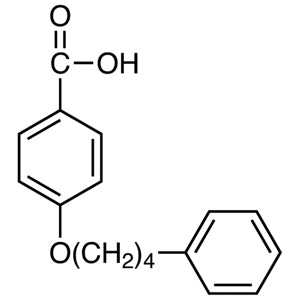
4-(4-Phenylbutoxy)benzoicAcid TCI P1997
Regular price From Rp 717.150,00Regular price -
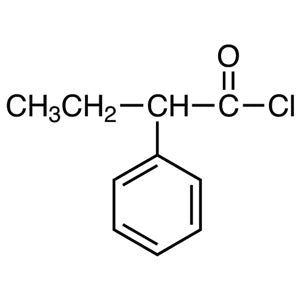
2-PhenylbutyrylChloride TCI P1665
Regular price From Rp 557.550,00Regular price