4-(4-Phenylbutoxy)benzoic acid is an aromatic carboxylic acid. Its benzoic acid ring carries a 4-phenylbutoxy ether chain at the para position. In the TCI catalog, it is classified as a non-heterocyclic building block. The compound is best known as an important intermediate in the synthesis of pranlukast, a leukotriene receptor antagonist drug used to treat asthma. In the laboratory, it is used in pharmaceutical synthesis research, medicinal chemistry, and process development, where it supplies a ready-made fragment for building larger drug-like molecules.
Researchers choose this compound because it combines two functions in one molecule. The carboxylic acid group can be activated to an acyl chloride, or coupled directly to form amides and esters under standard conditions. The lipophilic phenylbutoxy chain gives the molecule an elongated shape, which matters for binding to the target receptor. Because the framework is already complete, researchers can move straight to the coupling step without building the ether chain themselves. This saves synthetic steps and reduces variability between batches of downstream intermediates. The 5 g and 25 g packs are enough for both route optimization and analog synthesis.
In Indonesia, this material is relevant to medicinal chemistry laboratories in pharmacy faculties and to organic synthesis research groups studying manufacturing routes for active pharmaceutical ingredients. National efforts toward self-sufficiency in pharmaceutical raw materials are encouraging research into local synthesis routes for established drugs, and well-defined intermediates like this one support that work. Academic teams can also use it in teaching and thesis projects that cover amide coupling, structure–activity relationships, and multistep synthesis planning.
Related TCI products
- Pranlukast intermediate synthesis: the compound is a known key intermediate for pranlukast, so research groups can reproduce or improve published routes to this leukotriene receptor antagonist.
- Amide and ester coupling: the free carboxylic acid can be activated to an acyl chloride or coupled directly, making it a convenient acyl donor for building amide and ester libraries.
- Medicinal chemistry analog design: the lipophilic phenylbutoxy chain supports receptor binding, so chemists can keep this fragment fixed while varying the coupling partner to explore structure–activity relationships.
- Process development and route optimization: because the ether framework is already in place, process chemists can focus on optimizing coupling conditions, yields, and purification rather than on building the chain.
- Teaching and academic research in organic synthesis: as a well-defined bifunctional building block, it works well for student projects covering carboxylic acid activation, coupling chemistry, and drug intermediate synthesis.
| Brand | TCI (product code P1997) |
|---|---|
| CAS number | 30131-16-9 |
| Molecular formula | — |
| Purity | — |
| Category | Chemistry > Building Blocks > Non-Heterocyclic Building Blocks |
| Pack sizes | 5 g and 25 g |
| Physical form | refer to the product label and Certificate of Analysis |
| Storage | follow the conditions stated on the TCI label and Safety Data Sheet |
Keep the material in its original, tightly closed manufacturer container. Store it in a cool, dry, well-ventilated place away from direct sunlight, moisture, and incompatible materials such as strong oxidizing agents. Always follow the storage conditions on the TCI label and Safety Data Sheet. Handle the compound in a fume hood or well-ventilated area, and wear safety glasses, gloves, and a lab coat. Avoid creating or inhaling dust, and avoid contact with skin and eyes. Label any portions you transfer clearly, reseal the container promptly after use, and dispose of waste according to institutional and local chemical waste regulations.
—
Produk Terkait
-
3,4,5-Tris(dodecyloxy)benzoicAcid TCI T3606
Regular price Rp 3.790.500,00Regular priceRp 2.665.950,00Sale price Rp 3.790.500,00 -
4-(4-Methylphenoxy)benzoicAcid TCI T3391
Regular price From Rp 2.942.100,00Regular priceRp 2.072.700,00Sale price From Rp 2.942.100,00 -
2-(p-Tolyl)benzoicAcid TCI T2377
Regular price From Rp 822.150,00Regular priceRp 590.100,00Sale price From Rp 822.150,00 -
3,4,5-Tris(benzyloxy)benzoicAcid TCI T1869
Regular price From Rp 3.312.750,00Regular priceRp 2.332.050,00Sale price From Rp 3.312.750,00 -
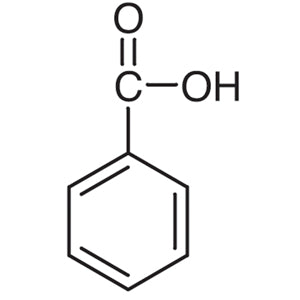
BenzoicAcid TCI B2635
Regular price From Rp 557.550,00Regular priceRp 405.300,00Sale price From Rp 557.550,00 -
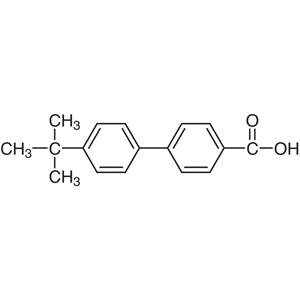
4-(4-tert-Butylphenyl)benzoicAcid TCI B1986
Regular price From Rp 2.730.000,00Regular priceRp 1.924.650,00Sale price From Rp 2.730.000,00 -
4-(2-Bromoethyl)benzoicAcid TCI B1944
Regular price From Rp 5.777.100,00Regular priceRp 4.055.100,00Sale price From Rp 5.777.100,00 -
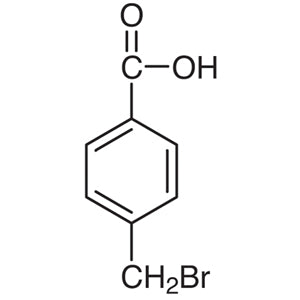
4-(Bromomethyl)benzoicAcid TCI B0845
Regular price From Rp 1.458.450,00Regular priceRp 1.035.300,00Sale price From Rp 1.458.450,00