


5-Methylchrysene with CAS number 3697-24-3 is a polycyclic aromatic hydrocarbon (PAH) built on a chrysene skeleton of four fused benzene rings, carrying a single methyl group at the 5-position. In the laboratory, this compound serves primarily as a reference material and well-characterized starting material for research in environmental chemistry, toxicology, and instrumental analysis. Methylated PAHs of this type attract considerable attention because they are formed by the incomplete combustion of fuels, biomass, and tobacco, and therefore appear frequently as contaminants in air, soil, sediment, and food samples that analytical laboratories are asked to examine.
The properties that make this compound a preferred choice are its highly conjugated aromatic structure, which is stable, hydrophobic, and fluorescent. The extended pi-electron system produces a distinctive ultraviolet absorption spectrum and characteristic fluorescence emission, so the compound can be detected with high sensitivity by HPLC with fluorescence detection as well as by GC-MS. Its solubility is very low in water but good in non-polar organic solvents such as toluene and dichloromethane, a characteristic that underpins the extraction procedures used for environmental samples. The position of the methyl group on the chrysene skeleton also makes it a structurally specific marker rather than a generic aromatic compound.
In Indonesian laboratories, this material is typically used in environmental monitoring work, academic research groups, and analytical method development. It supports the preparation of calibration standards and spiking solutions for PAH determination in air particulates, water, sediment, and foodstuffs, and it is used in university chemistry and toxicology programmes where students and researchers need a well-defined methylated PAH for identification, quantification, and comparative study against other members of the PAH family.
- Environmental contaminant analysis — used as a reference compound when identifying and quantifying methylated PAHs in air particulate, soil, sediment, and water samples collected during monitoring programmes.
- HPLC with fluorescence detection — its strong native fluorescence and extended pi-electron system allow sensitive detection at low concentrations without derivatization, simplifying method development considerably.
- GC-MS method development — serves as a characterized standard for retention time confirmation and mass spectral matching when separating PAH mixtures containing several closely related isomers.
- Toxicology and mechanistic research — provides a defined methylated PAH for studies examining how combustion-derived aromatic contaminants behave, since methylation position influences biological and chemical behaviour markedly.
- Extraction procedure validation — its very low water solubility and good solubility in toluene and dichloromethane make it suitable for evaluating recovery in organic solvent extraction workflows.
| Brand | TCI |
|---|---|
| CAS number | 3697-24-3 |
| Molecular formula | — |
| Purity | — |
| Category | Chemistry > Building Blocks > Non-Heterocyclic Building Blocks |
| Pack sizes | available in standard research and analytical pack sizes; please confirm the size required when ordering |
| Physical form | — |
| Storage | store according to the manufacturer's instructions stated on the product label and safety data sheet |
- Product code: M4008
Store the container tightly closed in a cool, dry, well-ventilated place, protected from direct sunlight and away from sources of heat or ignition. Amber glass or other light-protecting containers are appropriate, since polycyclic aromatic hydrocarbons can be sensitive to prolonged light exposure. Handle the material inside a fume hood using gloves, safety glasses, and a laboratory coat, and avoid generating or inhaling dust. Prepare solutions in organic solvents only within properly ventilated enclosures. Keep the compound separate from strong oxidizing agents, and collect all residues and contaminated consumables as hazardous chemical waste for disposal through an authorized route. Always consult the manufacturer's safety data sheet before use.
—
Produk Terkait
-
Anthracene TCI A0495
Regular price From Rp 584.850,00Regular priceRp 408.450,00Sale price From Rp 584.850,00 -
Acenaphthylene TCI A0005
Regular price From Rp 769.650,00Regular priceRp 537.600,00Sale price From Rp 769.650,00 -
Triphenylene(purifiedbysublimation) TCI T3267
Regular price From Rp 3.367.350,00Regular priceRp 2.354.100,00Sale price From Rp 3.367.350,00 -
p-Terphenyl(purifiedbysublimation) TCI T3263
Regular price From Rp 1.510.950,00Regular priceRp 1.056.300,00Sale price From Rp 1.510.950,00 -
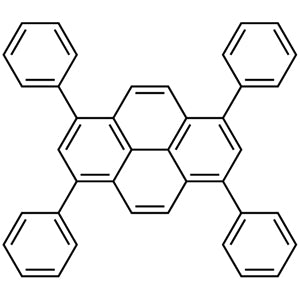
1,3,6,8-Tetraphenylpyrene TCI T3042
Regular price From Rp 2.837.100,00Regular priceRp 1.983.450,00Sale price From Rp 2.837.100,00 -
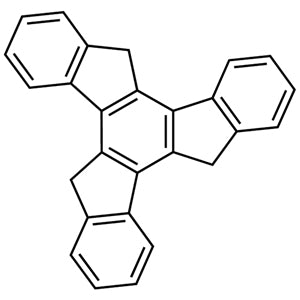
Truxene TCI T2752
Regular price From Rp 1.246.350,00Regular priceRp 871.500,00Sale price From Rp 1.246.350,00 -
9,9'-Bianthracene TCI B4095
Regular price From Rp 2.625.000,00Regular priceRp 1.835.400,00Sale price From Rp 2.625.000,00 -
Benzo[ghi]perylene TCI B2983
Regular price Rp 7.394.100,00Regular priceRp 5.170.200,00Sale price Rp 7.394.100,00





![TCI B2983 191-24-2 Benzo[ghi]perylene](http://amiscientific.com/cdn/shop/files/TCI2510B2983_05e3611d-ebdd-4b48-b271-5117e369cbb3.jpg?v=1792660902&width=533)
![191-24-2 Benzo[ghi]perylene - AMI Scientific](http://amiscientific.com/cdn/shop/files/TCI2510B2983.jpg?v=1767089217&width=533)