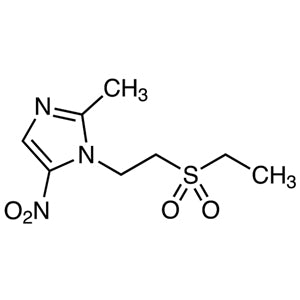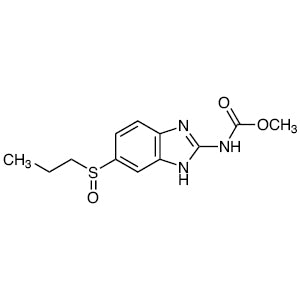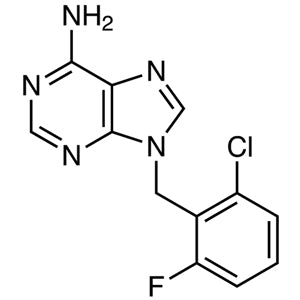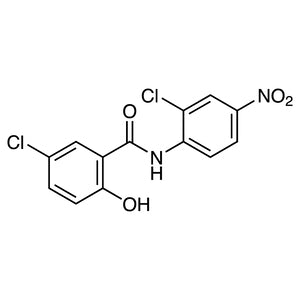
Niclosamide is a chemical compound widely used in biochemical and pharmacological experiments. As an antibiotic, it exhibits antimicrobial activity against various types of bacteria and parasites. In the laboratory, it serves as a key reagent for studying the mechanisms of antibiotic action and the development of new therapeutic agents. Its stability and availability make it a reliable choice for researchers working in diverse experimental settings. Niclosamide's unique chemical structure allows it to interact with specific targets within microbial cells, enhancing its utility in drug discovery and microbiological studies.
One of the main reasons Niclosamide is preferred in laboratories is its chemical stability and compatibility with a wide range of experimental conditions. It is non-toxic at specific dosages, ensuring a safe working environment for researchers. Additionally, its resistance to various chemical conditions simplifies storage and handling, making it suitable for long-term use. These properties contribute to its popularity in both academic and industrial research settings, where consistency and reliability are essential.
In Indonesian laboratories, Niclosamide is commonly used in pharmacological, microbiological, and bioinformatics research. It plays a vital role in experiments requiring stable and dependable biochemical reagents. Its presence in the international market ensures that it is accessible to researchers in Indonesia, supporting ongoing scientific investigations in various fields. The compound's versatility and effectiveness make it an essential component in many laboratory workflows.
TCI brochures (PDF)
- Antimicrobials and Antitumor Agents for Research and Experimental Use 2025-04-24 · p. 11
- Pharmaceutical Ingredients for Research and Experimental Use 2026-03-09 · p. 11
- Pharmacological research utilizes Niclosamide to study its antimicrobial effects and potential therapeutic applications.
- Microbiological studies benefit from Niclosamide due to its ability to target specific microbial structures and inhibit growth.
- Bioinformatics research incorporates Niclosamide as a reference compound for analyzing molecular interactions and drug mechanisms.
- Drug development projects use Niclosamide to explore its potential in creating new antibiotics and antiparasitic agents.
- Toxicology studies rely on Niclosamide to assess its safety profile and determine safe dosage levels for experimental use.
| Brand | TCI |
|---|---|
| CAS number | 50-65-7 |
| Molecular formula | — |
| Purity | — |
| Category | Life Science > Biochemicals and Reagents > Antibiotics |
| Pack sizes | As available |
| Physical form | Solid |
| Storage | Store in a cool, dry place away from direct sunlight |
Niclosamide should be stored in a cool, dry environment to maintain its chemical stability. It is recommended to keep it in a sealed container to prevent moisture absorption and contamination. Due to its non-toxic nature at specific dosages, it is generally safe to handle with standard laboratory precautions. However, it is advisable to use gloves and protective eyewear when working with it to minimize any potential exposure. The compound should be stored away from incompatible substances to ensure safety. Regular inspection of storage conditions is recommended to maintain its integrity and effectiveness for research purposes.
—
Product Categories
- Biochemicals and ReagentsAntibioticsAntibiotics (by Application)
- Biochemicals and ReagentsPharmaceutical Research Reagents (for Experimental Use)Antiparasitic Ingredients, Antiprotozoal Ingredients, Antihelminthic Ingredients (for Research and Experimental Use)
- MicrobiologyAntibioticsAntibiotics (by Application)
- Pharmaceutical Development and Drug Discovery ResearchPharmaceutical Research Reagents (for Experimental Use)Antiparasitic Ingredients, Antiprotozoal Ingredients, Antihelminthic Ingredients (for Research and Experimental Use)
- Pharmaceutical Development and Drug Discovery ResearchAntibioticsAntibiotics (by Application)
Produk Terkait
-
TafenoquineSuccinate TCI T4392
Regular price Rp 8.240.400,00Regular priceRp 5.778.150,00Sale price Rp 8.240.400,00 -
Tizoxanide TCI T3862
Regular price From Rp 7.154.700,00Regular priceRp 5.019.000,00Sale price From Rp 7.154.700,00 -
TetramisoleHydrochloride TCI T3663
Regular price Rp 2.093.700,00Regular priceRp 1.479.450,00Sale price Rp 2.093.700,00 -
Tinidazole TCI T3058
Regular price From Rp 795.900,00Regular priceRp 572.250,00Sale price From Rp 795.900,00 -
Triclabendazole TCI T2826
Regular price Rp 795.900,00Regular priceRp 572.250,00Sale price Rp 795.900,00 -
LevamisoleHydrochloride TCI T1215
Regular price From Rp 1.801.800,00Regular priceRp 1.275.750,00Sale price From Rp 1.801.800,00 -
AlbendazoleSulfoxide TCI A3316
Regular price From Rp 1.113.000,00Regular priceRp 793.800,00Sale price From Rp 1.113.000,00 -
Arprinocid TCI A3146
Regular price From Rp 557.550,00Regular priceRp 405.300,00Sale price From Rp 557.550,00