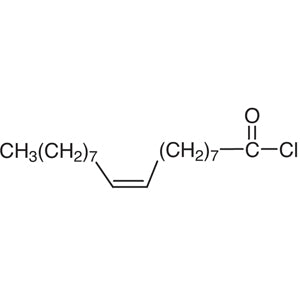
Oleoyl Chloride from TCI is an acyl chloride derived from oleic acid, a monounsaturated fatty acid with eighteen carbon atoms. Oleic acid is a major component of many vegetable oils, including palm oil and olive oil. Oleoyl chloride is a highly reactive non-heterocyclic building block used to introduce the oleoyl group into other molecules through acylation reactions. In the laboratory, it offers a direct route to oleate esters, amides, and anhydrides, so chemists do not need to activate oleic acid with additional coupling reagents first.
The high reactivity of the acyl chloride group is the main reason researchers choose this material. Oleoyl chloride reacts rapidly with alcohols, phenols, amines, and thiols, usually with a base such as triethylamine or pyridine to scavenge the hydrogen chloride that forms. The long oleoyl chain with its cis double bond makes the resulting derivatives lipophilic and flexible, and they tend to be liquids. These properties are valuable when designing surfactants, synthetic lipids, and lipophilic prodrugs, and when adding hydrophobic groups to biopolymers such as chitosan or cellulose.
In Indonesia, the world's largest palm oil producer, oleochemical research is growing quickly in universities and industrial research centres. Oleoyl chloride gives these laboratories a practical reagent for studying fatty acid derivatives that relate directly to the national palm oil value chain. Research groups in organic synthesis, pharmaceutical sciences, polymer and materials chemistry, and surfactant development use it for acylation work. It is well suited to preparing model compounds, functionalised biopolymers, and new oleate-based materials at laboratory scale.
- Synthesis of oleate esters: the acyl chloride reacts quickly with alcohols and phenols in the presence of a base, so oleate esters can be made without first activating oleic acid.
- Preparation of oleamides and fatty amides: the reagent acylates amines efficiently and gives amide derivatives that carry the lipophilic, flexible eighteen-carbon oleoyl chain for further study.
- Surfactant and synthetic lipid design: the long unsaturated cis chain acts as a hydrophobic tail that tends to stay liquid, which is useful when building amphiphilic molecules and synthetic lipid structures.
- Lipophilic prodrug research: attaching an oleoyl group to drug candidates increases their lipophilicity, which helps pharmaceutical researchers study how fatty acyl modification changes a molecule's behaviour.
- Hydrophobic modification of biopolymers: oleoyl chloride can acylate hydroxyl or amino groups on chitosan or cellulose, adding hydrophobic character for materials and polymer chemistry research.
| Brand | TCI (product code O0053) |
|---|---|
| CAS number | 112-77-6 |
| Molecular formula | — |
| Purity | — |
| Category | Chemistry > Building Blocks > Non-Heterocyclic Building Blocks |
| Pack sizes | available in TCI standard pack sizes; please contact AMI Scientific for the current options |
| Physical form | see the TCI product label and certificate of analysis |
| Storage | keep tightly sealed and protected from moisture, as recommended for reactive acyl chlorides |
Oleoyl chloride is an acyl chloride, so it reacts with water and atmospheric moisture and releases hydrogen chloride. Store it in its original tightly closed container in a cool, dry, well-ventilated area, away from water, alcohols, amines, bases, and oxidising agents. Storing it under an inert gas such as nitrogen or argon helps keep it in good condition after the container has been opened. Handle it only in a fume hood while wearing chemical-resistant gloves, safety goggles, and a laboratory coat. Use dry glassware and dry solvents during reactions. Always follow the storage conditions and hazard information on the TCI label and safety data sheet.
—
Produk Terkait
-
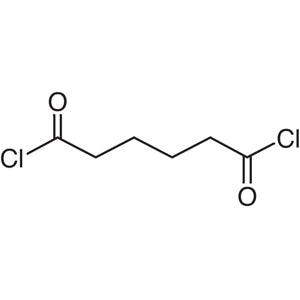
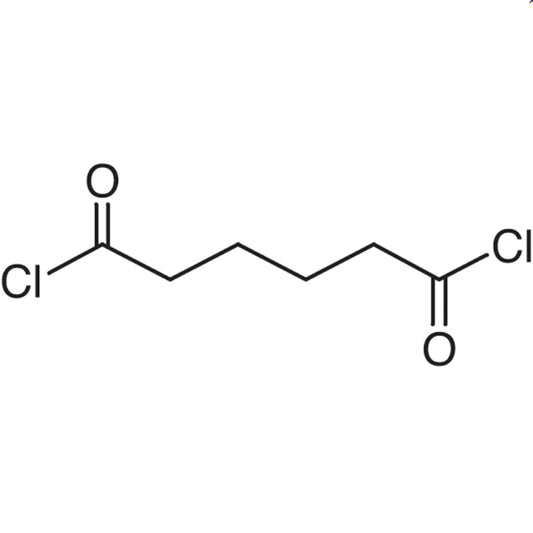
AdipoylChloride TCI A0169
Regular price From Rp 1.220.100,00Regular price -
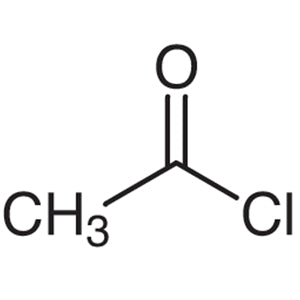
AcetylChloride TCI A0082
Regular price From Rp 795.900,00Regular price -
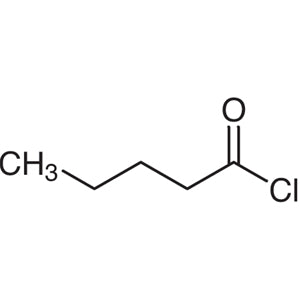
ValerylChloride TCI V0010
Regular price From Rp 955.500,00Regular price -
UndecanoylChloride TCI U0026
Regular price From Rp 1.538.250,00Regular price -
10-UndecenoylChloride TCI U0008
Regular price From Rp 1.353.450,00Regular price -
ButyrylChloride TCI B0770
Regular price From Rp 530.250,00Regular price -
AzelaoylChloride TCI A0562
Regular price Rp 2.411.850,00Regular price -
MyristoylChloride TCI T0086
Regular price From Rp 1.220.100,00Regular price