Myristoyl Chloride from TCI (product code T0086) is an acyl chloride with a saturated fourteen-carbon chain, derived from myristic acid. In the laboratory it serves as a reactive acylating reagent. Its main job is to introduce the myristoyl group into other molecules such as alcohols, amines and phenols. The acyl chloride group is much more reactive than the parent carboxylic acid, so esters and amides can form under relatively mild conditions without extra activation steps. This makes it a practical choice for synthetic organic chemists who need a dependable source of the myristoyl group.
Chemists choose this reagent because it combines two complementary features: a highly electrophilic acyl chloride end and a long, hydrophobic alkyl chain. Together, these let researchers attach a "lipid tail" to polar molecules and so change their solubility, surface behaviour or interaction with membranes. Its strong reactivity toward water calls for careful handling. That same reactivity, however, is what gives efficient conversion in acylation reactions run under anhydrous conditions with a suitable base to neutralise the hydrogen chloride released. As a building block, it gives synthetic routes a direct and predictable way to add a long-chain acyl group.
In Indonesian laboratories, Myristoyl Chloride is typically used in university organic chemistry research groups, pharmaceutical and natural product research units, and materials science laboratories. Researchers there prepare lipid-modified compounds, surfactant-like molecules and ester or amide derivatives for further study. It suits small-scale synthesis in thesis and dissertation projects as well as method development in industrial research and development. Laboratories that already work under anhydrous conditions, with dry solvents, inert gas lines and fume hoods, can add it to existing acylation workflows with little change.
TCI brochures (PDF)
- Human-Serum-Albumin Binding Agents for Improvement of Pharmacokinetics 2019-02-22 · p. 1
- Lipids 2025-12-17 · p. 7
- Ester synthesis: the reactive acyl chloride group converts alcohols and phenols into myristate esters under mild conditions, without needing separate carboxylic acid activation reagents.
- Amide formation: amines react readily with this reagent to give myristoyl amides, a direct route to long-chain amide derivatives for structure–activity studies and materials research.
- Lipidation of polar molecules: attaching the fourteen-carbon hydrophobic tail lets researchers change the solubility, lipophilicity and membrane interaction of polar compounds in a controlled, predictable way.
- Surfactant and amphiphile research: combining a hydrophobic chain with polar head groups through acylation makes this reagent well suited to preparing amphiphilic molecules for surface-property studies.
- Teaching and method development in organic synthesis: as a classic acyl chloride building block, it shows nucleophilic acyl substitution clearly and supports optimisation of anhydrous acylation procedures.
From the TCI brochure
- Myristoylation reagent for introducing a fatty acid to optimize pharmacokinetics
| Brand | TCI (product code T0086) |
|---|---|
| CAS number | 112-64-1 |
| Molecular formula | — |
| Purity | — |
| Category | Chemistry > Building Blocks > Non-Heterocyclic Building Blocks |
| Pack sizes | available in TCI standard pack sizes; please check the product listing for current options |
| Physical form | — |
| Storage | keep tightly sealed, protected from moisture, preferably under inert gas |
- Chemical type: saturated C14 acyl chloride derived from myristic acid; reactive toward water and moisture
Myristoyl Chloride reacts with water and atmospheric moisture, releasing hydrogen chloride. Store it in its original, tightly closed container in a cool, dry, well-ventilated place, away from water, alcohols, amines, bases and oxidising agents. Blanketing the container with an inert gas such as nitrogen or argon after each use helps keep the reagent quality intact. Use glass or other chemically resistant containers, and do not use metal containers that corrode in acidic conditions. Handle it only in a fume hood while wearing chemical-resistant gloves, safety goggles and a laboratory coat. Use dry glassware and anhydrous solvents. Avoid breathing vapours and avoid contact with skin and eyes. Always read the supplier's Safety Data Sheet before use and follow local regulations for chemical waste disposal.
References cited in the TCI brochure
- P Kurtzhals. Albumin binding of insulins acylated with fatty acids: characterization of the ligand-protein interaction and correlation between binding affinity and timing of the insulin effect in vivo Biochemical Journal, 1995. doi:10.1042/bj3120725
- Batya Plotkin. Insulin Mimetic Action of Synthetic Phosphorylated Peptide Inhibitors of Glycogen Synthase Kinase-3 The Journal of Pharmacology and Experimental Therapeutics, 2003. doi:10.1124/jpet.102.047381
- Ib Jonassen. Design of the Novel Protraction Mechanism of Insulin Degludec, an Ultra-long-Acting Basal Insulin Pharmaceutical Research, 2012. doi:10.1007/s11095-012-0739-z
- Yuanyan Tan. Myristic acid-modified thymopentin for enhanced plasma stability and immune-modulating activity International Immunopharmacology, 2017. doi:10.1016/j.intimp.2017.03.025
Product Categories
- Biochemicals and ReagentsAlbumin Binding AgentsAlbumin Binding Modification Reagents
- Biochemicals and ReagentsBioconjugationAlbumin Binding Modification Reagents
- Biochemicals and ReagentsLipidsFatty Acyls
- Pharmaceutical Development and Drug Discovery ResearchAlbumin Binding AgentsAlbumin Binding Modification Reagents
- Pharmaceutical Development and Drug Discovery ResearchBioconjugationAlbumin Binding Modification Reagents
Produk Terkait
-
UndecanoylChloride TCI U0026
Regular price From Rp 1.590.750,00Regular priceRp 1.127.700,00Sale price From Rp 1.590.750,00 -
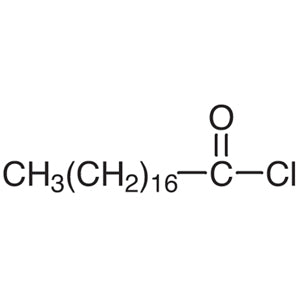
StearoylChloride TCI S0404
Regular price From Rp 1.881.600,00Regular priceRp 1.331.400,00Sale price From Rp 1.881.600,00 -
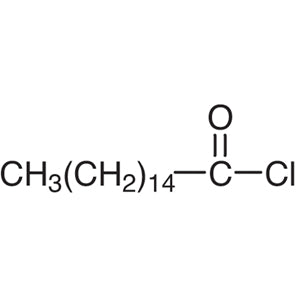
PalmitoylChloride TCI P0009
Regular price From Rp 530.250,00Regular priceRp 386.400,00Sale price From Rp 530.250,00 -
LauroylChloride TCI D0972
Regular price From Rp 557.550,00Regular priceRp 405.300,00Sale price From Rp 557.550,00 -
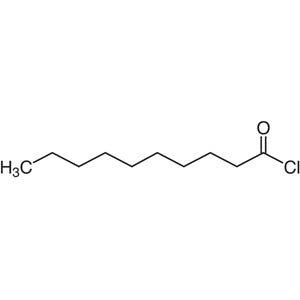
DecanoylChloride TCI D0027
Regular price From Rp 822.150,00Regular priceRp 590.100,00Sale price From Rp 822.150,00 -
VinylPalmitate(stabilizedwithMEHQ) TCI P0848
Regular price From Rp 1.724.100,00Regular priceRp 1.205.400,00Sale price From Rp 1.724.100,00 -
VinylLaurate(stabilizedwithMEHQ) TCI L0090
Regular price From Rp 610.050,00Regular priceRp 442.050,00Sale price From Rp 610.050,00 -
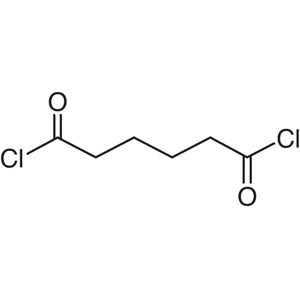
AdipoylChloride TCI A0169
Regular price From Rp 1.272.600,00Regular priceRp 905.100,00Sale price From Rp 1.272.600,00