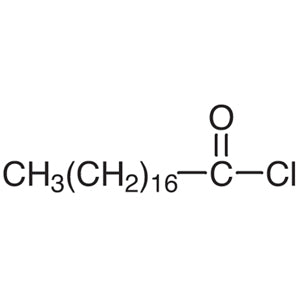
Butyryl Chloride (TCI B0770), with CAS number 141-75-3, is a chemical compound widely used as a building block in laboratory reactions. It serves as a key reagent in organic synthesis, particularly in nucleophilic substitution and esterification reactions. Its simple molecular structure makes it a versatile tool for chemists aiming to create complex organic molecules. This compound is essential in the development of esters, amides, and aromatic compounds, contributing to the advancement of chemical research.
Butyryl Chloride is valued for its reactivity and stability under controlled conditions. It is highly reactive towards bases and water, which makes it an ideal candidate for targeted chemical transformations. These properties allow it to be used in a variety of synthetic pathways, offering researchers flexibility in their experimental designs. Its chemical behavior is well-documented, making it a reliable choice for both academic and industrial applications.
In Indonesian laboratories, Butyryl Chloride is commonly used in chemical, pharmaceutical, and polymer processing research. It plays a crucial role in drug development, fragrance compound synthesis, and polymer modification studies. Its availability in various packaging formats ensures ease of use across different experimental scales, from small-scale research to larger production processes.
TCI brochures (PDF)
- Lipids 2025-12-17 · p. 7
- Organic synthesis is a primary application where Butyryl Chloride is used to create esters and amides through esterification and nucleophilic substitution reactions.
- Pharmaceutical research benefits from its role in synthesizing active pharmaceutical ingredients, particularly in drug development and compound modification.
- Polymer processing utilizes Butyryl Chloride in the creation of modified polymers and specialty materials due to its reactivity with functional groups.
- Aroma compound development relies on its ability to participate in reactions that produce fragrance and flavor compounds.
- Chemical research in academic settings uses Butyryl Chloride for teaching and experimental purposes, demonstrating its versatility in both teaching and research environments.
| Brand | TCI |
|---|---|
| CAS number | 141-75-3 |
| Molecular formula | — |
| Purity | — |
| Category | Chemistry > Building Blocks > Non-Heterocyclic Building Blocks |
| Pack sizes | Available in various packaging formats for different experimental scales |
| Physical form | Liquid |
| Storage | Requires storage in a cool, dry place away from moisture and bases |
Butyryl Chloride should be stored in a cool, dry environment, away from moisture and strong bases to prevent unwanted reactions. It is recommended to use sealed containers made of glass or polyethylene to maintain its chemical integrity. Due to its reactivity with water and bases, it must be handled with care, using appropriate personal protective equipment such as gloves and goggles. It is important to ensure proper ventilation in the laboratory when working with this compound to minimize exposure. Storage should be in a designated chemical storage area, away from incompatible substances to ensure safety and stability.
—
Produk Terkait
-
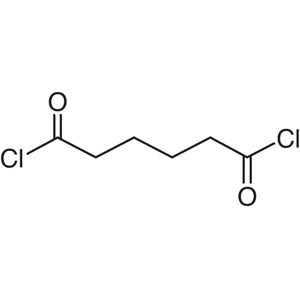
AdipoylChloride TCI A0169
Regular price From Rp 1.272.600,00Regular priceRp 905.100,00Sale price From Rp 1.272.600,00 -
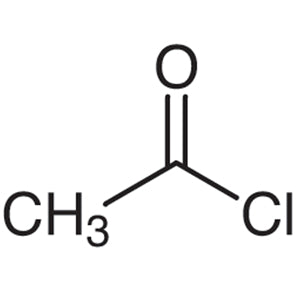
AcetylChloride TCI A0082
Regular price From Rp 848.400,00Regular priceRp 609.000,00Sale price From Rp 848.400,00 -
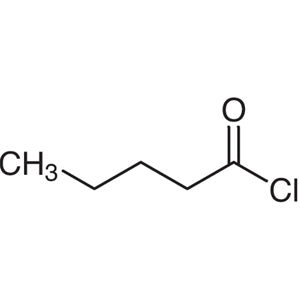
ValerylChloride TCI V0010
Regular price From Rp 1.008.000,00Regular priceRp 720.300,00Sale price From Rp 1.008.000,00 -
UndecanoylChloride TCI U0026
Regular price From Rp 1.590.750,00Regular priceRp 1.127.700,00Sale price From Rp 1.590.750,00 -
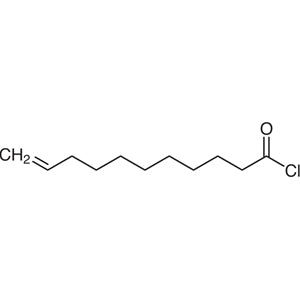
10-UndecenoylChloride TCI U0008
Regular price From Rp 1.405.950,00Regular priceRp 998.550,00Sale price From Rp 1.405.950,00 -
AzelaoylChloride TCI A0562
Regular price Rp 2.464.350,00Regular priceRp 1.738.800,00Sale price Rp 2.464.350,00 -
MyristoylChloride TCI T0086
Regular price From Rp 1.272.600,00Regular priceRp 905.100,00Sale price From Rp 1.272.600,00 -
StearoylChloride TCI S0404
Regular price From Rp 1.881.600,00Regular priceRp 1.331.400,00Sale price From Rp 1.881.600,00