5-n-Octyl-2,2'-bithiophene is a chemical compound widely used as a building block in the synthesis of heterocyclic compounds. This material plays a crucial role in organic chemistry laboratories, where it serves as a key component in the development of advanced materials. Its molecular structure consists of two thiophene rings connected by a single bond, making it a versatile intermediate for creating complex molecular architectures. Due to its structural features, it is frequently employed in research focused on organic semiconductors and optoelectronic devices.
The compound is valued for its chemical stability and ability to form covalent bonds with various functional groups, which enhances its utility in synthetic pathways. It exhibits good solubility in organic solvents such as ethyl acetate and chloroform, facilitating efficient processing and purification steps. These properties make it a preferred choice for chemists working on functional materials and molecular design. Additionally, its electronic properties contribute to its application in technologies requiring conductivity or light responsiveness.
In Indonesian laboratories, 5-n-Octyl-2,2'-bithiophene is commonly used in organic chemistry research, particularly in the development of functional materials and advanced chemical compounds. It is a staple in academic and industrial settings where innovation in material science and chemical synthesis is the focus. Its reliability and versatility make it an essential tool for researchers aiming to create new compounds with specific electronic or optical characteristics.
TCI brochures (PDF)
- Thiophenes 2026-06-29 · p. 14
Related TCI products
- Organic semiconductor development: This compound is ideal for synthesizing organic semiconductors due to its conjugated structure and electronic properties.
- Optoelectronic device fabrication: Its light-responsive characteristics make it suitable for use in optoelectronic applications such as sensors and photovoltaic cells.
- Functional material research: It serves as a core building block for creating materials with tailored chemical and physical properties.
- Molecular structure modification: Its ability to form covalent bonds with various functional groups makes it useful in modifying molecular architectures.
- Chemical synthesis of heterocyclic compounds: It is a key intermediate in the synthesis of complex heterocyclic structures used in pharmaceutical and material science applications.
| Brand | TCI |
|---|---|
| CAS number | 93164-73-9 |
| Molecular formula | — |
| Purity | — |
| Category | Chemistry > Building Blocks > Heterocyclic Building Blocks |
| Pack sizes | — |
| Physical form | — |
| Storage | Store in a cool, dry place away from light |
This compound should be stored in a cool, dry environment, away from direct sunlight and sources of heat. It is recommended to keep it in a tightly sealed container to prevent exposure to moisture and air. While the physical form is not specified, it is advisable to use appropriate laboratory safety practices when handling it. Ensure that the storage area is well-ventilated to minimize any potential risks associated with handling. Always follow standard laboratory protocols to maintain the integrity and safety of the compound during storage and use.
—
Produk Terkait
-
2,2'-Bithiophene-5,5'-dicarboxaldehyde TCI B5358
Regular price From Rp 1.220.100,00Regular price -
3,3'-Bithiophene TCI B3906
Regular price From Rp 3.287.550,00Regular price -
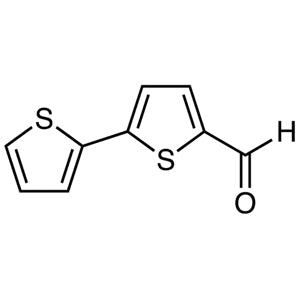
2,2'-Bithiophene-5-carboxaldehyde TCI B1838
Regular price From Rp 1.431.150,00Regular price -
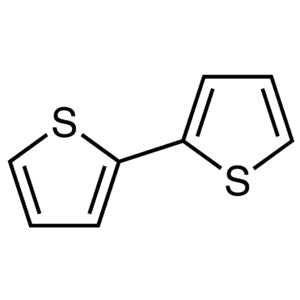
2,2'-Bithiophene TCI B1276
Regular price From Rp 664.650,00Regular price -
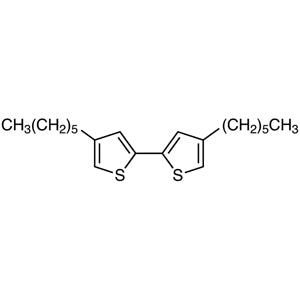
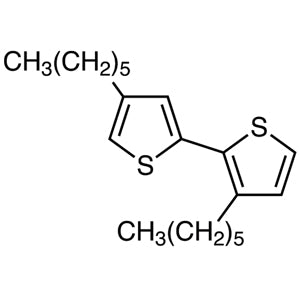
4,4'-Dihexyl-2,2'-bithiophene TCI D4182
Regular price From Rp 2.916.900,00Regular price -
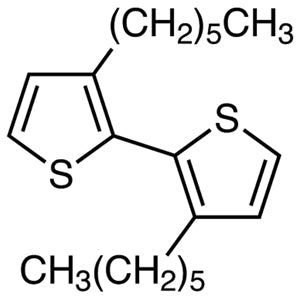
3,3'-Dihexyl-2,2'-bithiophene TCI D4180
Regular price From Rp 5.539.800,00Regular price -
3,4'-Dihexyl-2,2'-bithiophene TCI D3928
Regular price From Rp 6.863.850,00Regular price -
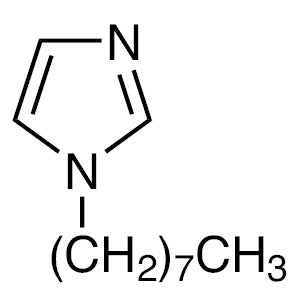
1-Octyl-1H-imidazole TCI O0598
Regular price Rp 1.776.600,00Regular price