Oleuropein is a naturally occurring compound found in olive leaves (Olea europaea), and it plays a significant role in life science research. This compound is widely used in biochemical and pharmaceutical studies due to its diverse biological activities. Its presence in natural sources makes it a valuable resource for researchers exploring the potential of plant-derived compounds. Oleuropein is commonly used in experimental settings to investigate its effects on cellular processes and its interactions with various biological systems. Its relevance spans multiple disciplines, including pharmacology, biochemistry, and nutrition science.
Oleuropein is preferred for its potent antioxidant, anti-inflammatory, and antimicrobial properties. These characteristics make it a key ingredient in the development of natural products and pharmaceutical formulations. Its ability to interact with multiple biological pathways enhances its utility in experimental research. The compound's stability under controlled conditions further supports its use in laboratory settings. However, proper storage is essential to prevent oxidation and maintain its integrity. Its high purity and consistent quality make it a reliable choice for scientific investigations.
In Indonesian laboratories, Oleuropein is frequently used in applied research, particularly in the testing of antioxidant activities and the development of natural health products. Researchers in various fields rely on this compound to explore its therapeutic potential and its role in disease prevention. Its application in experimental studies contributes to advancements in health sciences and pharmaceutical research in the region.
- Antioxidant Activity Testing - Oleuropein is ideal for assessing the antioxidant potential of natural compounds due to its known free radical scavenging properties.
- Anti-inflammatory Research - Its ability to modulate inflammatory pathways makes it suitable for studies on inflammatory diseases and therapeutic interventions.
- Pharmaceutical Formulation Development - Oleuropein is used as a raw material in the creation of herbal medicines and nutraceuticals due to its bioactive properties.
- Cellular Toxicity Studies - The compound is used to evaluate its effects on human and animal cells, aiding in understanding its safety and efficacy profiles.
- Natural Product Screening - Oleuropein is employed in the identification and characterization of bioactive compounds from plant sources for drug discovery purposes.
| Brand | TCI |
|---|---|
| CAS number | 32619-42-4 |
| Molecular formula | — |
| Purity | — |
| Category | Life Science > Biochemicals and Reagents > Crude Medicine Ingredients for Research and Experimental Use |
| Pack sizes | Available in various quantities as per supplier specifications |
| Physical form | Solid powder |
| Storage | Store in a cool, dry place away from light and moisture |
Oleuropein should be stored in a cool, dry environment to maintain its stability and prevent oxidation. It is recommended to keep the compound in airtight containers to minimize exposure to air and moisture. Proper labeling of storage containers is essential for safe handling and traceability. Laboratory personnel should wear appropriate personal protective equipment when handling Oleuropein to ensure safety. Avoid direct contact with skin or inhalation of dust particles. Keep the compound away from heat sources and incompatible materials. Regular monitoring of storage conditions ensures the compound remains effective for research applications.
—
Produk Terkait
-
TCI B5774 5,10-Bis(4,4,5,5-tetramethyl-1,3,2-dioxaborolan-2-yl)naphtho[1,2-c:5,6-c']bis([1,2,5]oxadiazole)
Regular price Rp 10.255.350,00Regular price -
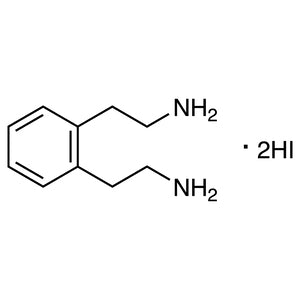
Dihydroiodide TCI B6569
Regular price From Rp 1.936.200,00Regular price -
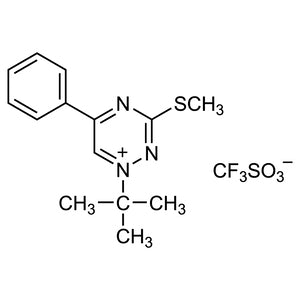
Trifluoromethanesulfonate TCI B7003
Regular price From Rp 1.936.200,00Regular price
![5,10-Bis(4,4,5,5-tetramethyl-1,3,2-dioxaborolan-2-yl)naphtho[1,2-c:5,6-c']bis([1,2,5]oxadiazole) - TCI B5774 - AMI Scientific](http://amiscientific.com/cdn/shop/files/TCI2510B5774.jpg?v=1769180228&width=533)