TCI O0689 Olaparib is a pharmaceutical research reagent known as an inhibitor of the poly(ADP-ribose) polymerase enzymes, or PARP, especially PARP1 and PARP2. PARP enzymes play a key role in detecting and repairing single-strand DNA breaks. In the laboratory, olaparib serves as a reference compound for studying DNA repair pathways, how cells respond to genomic damage, and the concept of synthetic lethality. The product is listed under Pharmaceutical Research Reagents and is intended only for experimental research. It is not for clinical use or human consumption.
Researchers choose olaparib because its mechanism has been widely studied and published, which makes it a good positive control and comparator in experiments. Besides blocking the catalytic activity of PARP, the compound is also known to "trap" PARP on damaged DNA. This trapping strengthens its effect on cells with homologous recombination defects, such as BRCA1 or BRCA2 mutations. Because there is so much published literature on olaparib, researchers can design experiments that are easy to compare with existing data and interpret their results within a well-established mechanistic framework.
In Indonesia, olaparib is relevant to molecular biology, oncology and pharmaceutical research laboratories at universities, research institutes and drug development groups. It is typically used in cell-based studies of DNA damage response, in work comparing cells with intact and defective repair pathways, and as a benchmark when screening or characterising new candidate compounds. Supplied under the TCI brand, it gives research teams a consistent, traceable reagent for exploratory studies and reproducible, publishable experimental work.
TCI brochures (PDF)
- Antitumor Molecular-Targeted Agents 2026-09-17 · p. 1
- Antimicrobials and Antitumor Agents for Research and Experimental Use 2025-04-24 · p. 18
- Pharmaceutical Ingredients for Research and Experimental Use 2026-03-09 · p. 18
- DNA repair pathway studies: olaparib inhibits PARP1 and PARP2, so researchers can examine how blocking single-strand break repair affects how cells process and tolerate DNA damage.
- Synthetic lethality research: the compound is a classic tool for showing selective vulnerability in cells with homologous recombination defects, such as those with BRCA1 or BRCA2 mutations.
- Positive control in PARP inhibition assays: its well-documented mechanism makes olaparib a dependable reference when checking assay performance and comparing the activity of new inhibitor candidates.
- PARP trapping investigations: olaparib is known to trap PARP on damaged DNA, so it is useful for experiments that separate catalytic inhibition from trapping-related cellular effects.
- Genomic damage response studies: researchers can use olaparib to probe cell responses to accumulated DNA damage and interpret findings against the extensive published literature on this compound.
| Brand | TCI (product code O0689) |
|---|---|
| CAS number | 763113-22-0 |
| Molecular formula | — |
| Purity | — |
| Category | Life Science > Biochemicals and Reagents > Pharmaceutical Research Reagents (for Experimental Use) |
| Pack sizes | available in the pack sizes offered by TCI for this product code |
| Physical form | refer to the TCI product documentation and certificate of analysis |
| Storage | follow the storage conditions on the product label and the TCI Safety Data Sheet |
Store olaparib in its original, tightly closed container in a dry place, away from direct light, heat and incompatible materials. Follow the storage conditions on the product label and the TCI Safety Data Sheet. Once opened, reseal the container promptly to protect the material from moisture and contamination. Clearly labelled, compatible containers should be used for any prepared stock solutions. Handle the compound only in a properly equipped laboratory and wear suitable personal protective equipment, including gloves, a lab coat and eye protection. Avoid inhaling dust and avoid contact with skin or eyes. Because olaparib is a biologically active research compound, weigh and prepare it in a controlled area such as a fume hood or ventilated enclosure. Dispose of waste according to institutional and local regulations. This product is for experimental research use only.
—
Product Categories
- Biochemicals and ReagentsPharmaceutical Research Reagents (for Experimental Use)Antitumor Research Reagents (for Experimental Use)
- Cell BiologyCancer ResearchAntitumor Agents for Research
- Pharmaceutical Development and Drug Discovery ResearchPharmaceutical Research Reagents (for Experimental Use)Antitumor Research Reagents (for Experimental Use)
Produk Terkait
-
Aminopterin TCI A0410
Regular price From Rp 1.829.100,00Regular price -
Imatinib TCI I0906
Regular price From Rp 1.326.150,00Regular price -
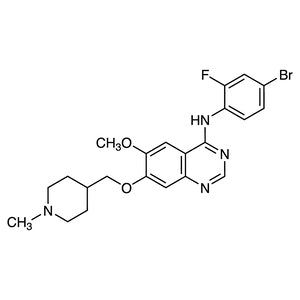
Vandetanib TCI V0199
Regular price From Rp 2.121.000,00Regular price -
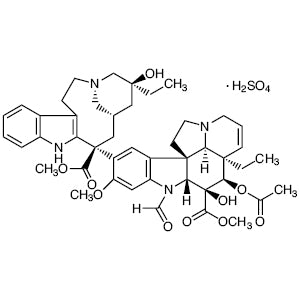
VincristineSulfate TCI V0129
Regular price Rp 4.584.300,00Regular price -
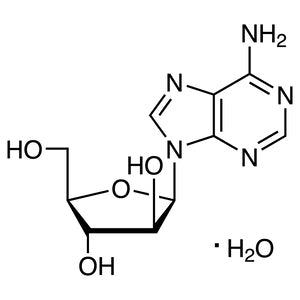
VidarabineMonohydrate TCI V0098
Regular price From Rp 3.658.200,00Regular price -
SunitinibMalate TCI U0095
Regular price Rp 3.021.900,00Regular price -
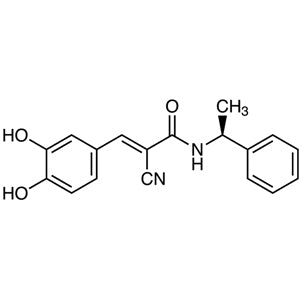
TyrphostinAG835 TCI T3540
Regular price From Rp 2.016.000,00Regular price -
TyrphostinA1 TCI T3074
Regular price From Rp 1.670.550,00Regular price