Parabanic Acid (120-89-8) is a chemical compound widely used in laboratory settings for its versatility in organic chemistry reactions. It serves as a fundamental building block in the synthesis of heterocyclic compounds, which are essential in pharmaceutical and industrial applications. Its role in creating complex molecular structures makes it a critical reagent for researchers aiming to develop new drugs or functional materials. In the laboratory, Parabanic Acid is valued for its ability to form new chemical bonds, enabling the design of compounds with specific properties and functions.
The chemical properties of Parabanic Acid contribute to its popularity among chemists. It exhibits stability under various reaction conditions, allowing for controlled and reproducible outcomes. Its reactivity enables it to participate in a range of synthetic pathways, making it adaptable to different experimental needs. Additionally, its simple molecular structure facilitates easy modification, allowing for the creation of diverse derivatives with tailored applications. These characteristics make it a reliable and efficient choice for both academic and industrial research.
In Indonesian laboratories, Parabanic Acid is commonly used in organic chemistry research, particularly in educational institutions and research centers. Its availability and consistent performance in chemical reactions make it a preferred reagent for students and scientists alike. The compound’s role in the synthesis of heterocyclic compounds aligns with the goals of many research projects in the country. Its reliability and ease of use further enhance its appeal in both teaching and applied research environments.
- Heterocyclic Compound Synthesis: Parabanic Acid is ideal for creating complex ring structures used in drug development and industrial chemicals.
- Organic Reaction Substitution: Its reactivity allows it to participate in substitution reactions, enabling the synthesis of functional derivatives.
- Pharmaceutical Research: It is widely used in the development of new drugs due to its ability to form stable and reactive intermediates.
- Academic Teaching: Parabanic Acid is a valuable tool in educational settings for demonstrating fundamental organic chemistry principles.
- Industrial Chemical Production: Its versatility makes it suitable for the synthesis of various industrial compounds with specific functional properties.
| Brand | TCI |
|---|---|
| CAS number | 120-89-8 |
| Molecular formula | — |
| Purity | — |
| Category | Chemistry > Building Blocks > Heterocyclic Building Blocks |
| Pack sizes | Available in standard laboratory quantities |
| Physical form | Solid |
| Storage | Store in a cool, dry place away from direct sunlight |
Parabanic Acid should be stored in a cool, dry environment to maintain its chemical stability. It is recommended to keep it in a sealed container to prevent moisture absorption and contamination. Due to its reactivity, it should be handled in a well-ventilated area, and appropriate personal protective equipment should be worn. Avoid exposure to heat or direct sunlight, as these conditions may affect its integrity. For long-term storage, it should be kept in airtight containers to ensure purity and effectiveness. Proper labeling and safe storage practices are essential to ensure the safety of laboratory personnel and the integrity of the compound.
—
Produk Terkait
-
TCI B5774 5,10-Bis(4,4,5,5-tetramethyl-1,3,2-dioxaborolan-2-yl)naphtho[1,2-c:5,6-c']bis([1,2,5]oxadiazole)
Regular price Rp 10.255.350,00Regular price -
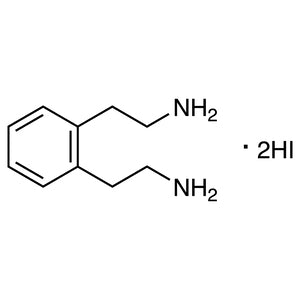
Dihydroiodide TCI B6569
Regular price From Rp 1.936.200,00Regular price -
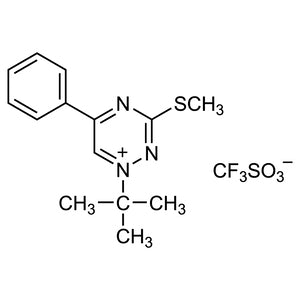
Trifluoromethanesulfonate TCI B7003
Regular price From Rp 1.936.200,00Regular price
![5,10-Bis(4,4,5,5-tetramethyl-1,3,2-dioxaborolan-2-yl)naphtho[1,2-c:5,6-c']bis([1,2,5]oxadiazole) - TCI B5774 - AMI Scientific](http://amiscientific.com/cdn/shop/files/TCI2510B5774.jpg?v=1769180228&width=533)