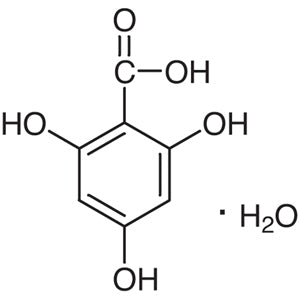
2,4,6-Trihydroxybenzoic Acid Monohydrate from TCI (product code P0601) is a benzoic acid with three hydroxyl groups at the 2, 4 and 6 positions, supplied as the monohydrate. It is also called phloroglucinol carboxylic acid because its skeleton is closely related to phloroglucinol. Laboratories use it as a building block for synthesizing polyphenolic compounds, as a model compound in antioxidant research, and as a precursor to a range of oxygen-rich aromatic derivatives, including scaffolds that resemble natural products.
Chemists choose this compound for its symmetrical substitution pattern. Three phenolic hydroxyl groups flank a single carboxylic acid group, which makes the aromatic ring very electron-rich and highly reactive toward electrophilic substitution. Because the hydroxyl and carboxyl groups sit next to each other, the molecule can also bind metal ions, which makes it useful for studying coordination complexes. Compounds of this type can lose CO2 (decarboxylation) and form phloroglucinol when heated or under certain conditions, so reaction plans need to account for this. The monohydrate form is easy to weigh, but the water of crystallization must be included in stoichiometric calculations.
In Indonesian laboratories, this material is typically used in university organic chemistry research groups, natural product and phytochemistry studies, and pharmaceutical or food science departments working on antioxidants and phenolic compounds. It is also useful in teaching and research labs that study aromatic substitution reactions or metal coordination chemistry. Researchers usually order it as a well-defined reference building block that fits standard synthetic workflows alongside other non-heterocyclic intermediates.
Related TCI products
- TCI P0571 610-02-6 2,3,4-Trihydroxybenzoic Acid
- TCI T1888 480-66-0 2',4',6'-Trihydroxyacetophenone Monohydrate
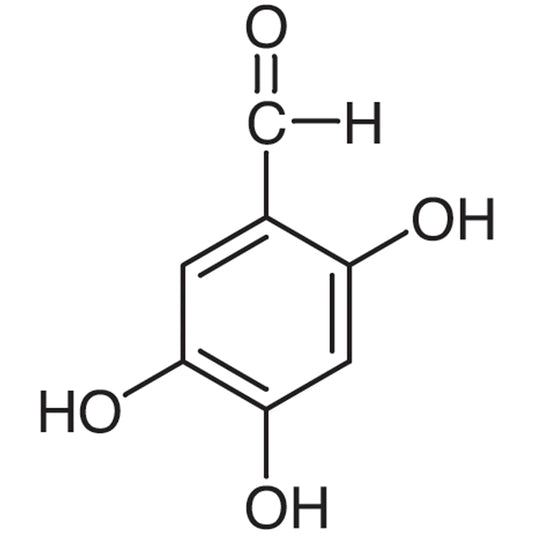
- TCI T1766 35094-87-2 2,4,5-Trihydroxybenzaldehyde
- TCI T1744 487-70-7 2,4,6-Trihydroxybenzaldehyde
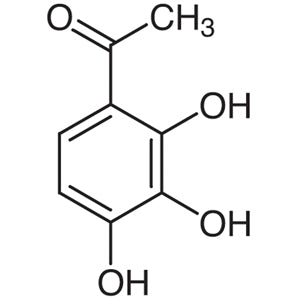
- TCI T1198 528-21-2 2',3',4'-Trihydroxyacetophenone
- TCI T0887 2295-58-1 2',4',6'-Trihydroxypropiophenone
- Polyphenol synthesis: the electron-rich trihydroxylated ring makes it a versatile starting building block for assembling larger polyphenolic structures through controlled aromatic chemistry.
- Antioxidant research: its multiple phenolic hydroxyl groups make it a convenient model compound for studying how phenolic structures behave in antioxidant assays and mechanistic investigations.
- Preparation of oxygen-rich aromatic derivatives: it serves as a precursor for a range of highly oxygenated aromatic compounds, including scaffolds that resemble those found in natural products.
- Electrophilic aromatic substitution studies: three hydroxyl groups strongly activate the ring, so it is a useful substrate for exploring the reactivity and selectivity of electrophilic substitution.
- Coordination chemistry: the neighbouring hydroxyl and carboxyl groups can chelate metal ions, which makes this compound relevant to research on metal–ligand complexes and their properties.
| Brand | TCI (product code P0601) |
|---|---|
| CAS number | 71989-93-0 |
| Molecular formula | — |
| Purity | — |
| Category | Chemistry > Building Blocks > Non-Heterocyclic Building Blocks |
| Pack sizes | see the available options on the product page |
| Physical form | solid, supplied as the monohydrate (account for the water of crystallization in stoichiometry) |
| Storage | keep tightly closed in a cool, dry place away from heat, following the supplier's label and safety data sheet |
Store 2,4,6-Trihydroxybenzoic Acid Monohydrate in its original, tightly sealed container in a cool, dry, well-ventilated area, away from heat sources and direct sunlight. Because this type of compound can decarboxylate to phloroglucinol when heated, avoid prolonged exposure to high temperatures during storage and handling. Keep it separate from strong oxidizing agents and bases. Handle it with standard laboratory protective equipment, including gloves, safety glasses and a lab coat. Avoid creating or breathing in dust, and weigh it in a well-ventilated area or under local exhaust. Always check the supplier's safety data sheet for specific hazard and disposal information before use.
—
Produk Terkait
-
2,3,4-TrihydroxybenzoicAcid TCI P0571
Regular price From Rp 1.035.300,00Regular price -
2',4',6'-TrihydroxyacetophenoneMonohydrate TCI T1888
Regular price From Rp 1.193.850,00Regular price -
2,4,5-Trihydroxybenzaldehyde TCI T1766
Regular price From Rp 2.942.100,00Regular price -
2,4,6-Trihydroxybenzaldehyde TCI T1744
Regular price Rp 2.889.600,00Regular price -
2',3',4'-Trihydroxyacetophenone TCI T1198
Regular price From Rp 1.167.600,00Regular price -
2',4',6'-Trihydroxypropiophenone TCI T0887
Regular price Rp 3.419.850,00Regular price -
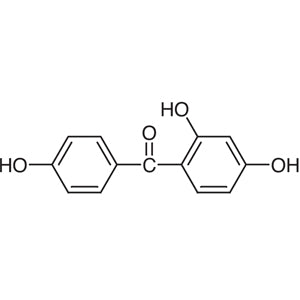
2,4,4'-Trihydroxybenzophenone TCI T0584
Regular price Rp 6.070.050,00Regular price -
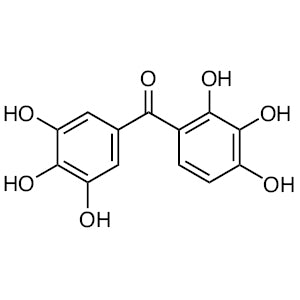
(2,3,4-Trihydroxyphenyl)(3,4,5-trihydroxyphenyl)methanone TCI H1783
Regular price From Rp 3.232.950,00Regular price