2,4,4'-Trihydroxybenzophenone (TCI T0584) is a chemical compound widely used in laboratory settings for its versatility in organic synthesis. As a key building block in chemical reactions, it plays a crucial role in the development of complex molecular structures. This compound is particularly valued for its ability to participate in various reaction mechanisms, including photoreactions and oxidation processes. Its presence in the laboratory allows researchers to manipulate molecular frameworks with precision, making it an essential tool for synthetic chemists.
The compound’s high polarity and solubility in organic solvents such as ethyl acetate and acetone make it a preferred choice for laboratory applications. These properties facilitate efficient dissolution and purification steps, which are vital in the preparation of intermediate compounds. Additionally, its controlled reactivity and thermal stability ensure that it remains effective under a range of experimental conditions. These characteristics make it suitable for use in both routine and specialized chemical procedures.
In Indonesian laboratories, 2,4,4'-Trihydroxybenzophenone is commonly employed in organic chemistry research, especially in the synthesis of phenolic compounds and other derivatives. Its applications span across academic and industrial research, supporting the development of new materials and pharmaceuticals. Due to its reliability and performance, it remains a staple in the chemical supply chain of Indonesian research institutions.
TCI brochures (PDF)
- Monomers 2025-05-28 · p. 26
Related TCI products
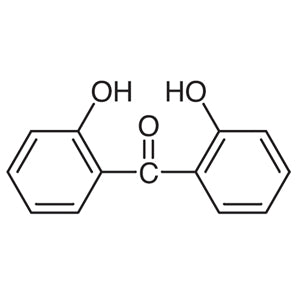
- TCI D1099 835-11-0 2,2'-Dihydroxybenzophenone
- TCI T0118 131-55-5 2,2',4,4'-Tetrahydroxybenzophenone
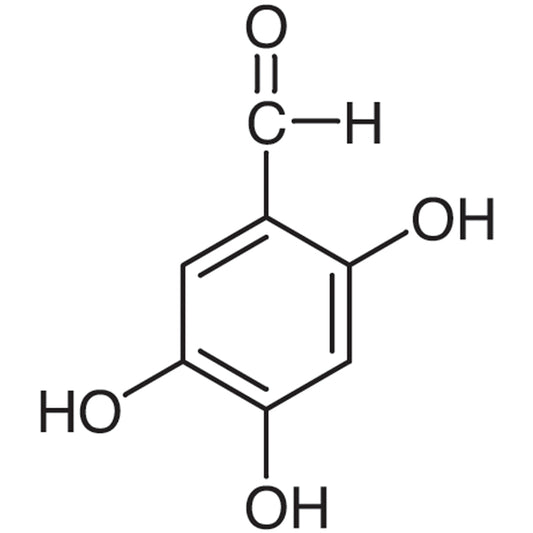
- TCI T1766 35094-87-2 2,4,5-Trihydroxybenzaldehyde
- TCI T1744 487-70-7 2,4,6-Trihydroxybenzaldehyde
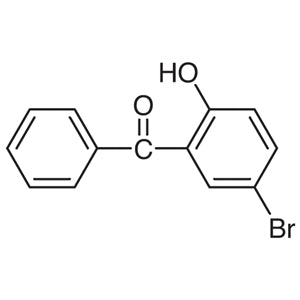
- TCI B2341 55082-33-2 5-Bromo-2-hydroxybenzophenone
- TCI P0601 71989-93-0 2,4,6-Trihydroxybenzoic Acid Monohydrate
- Organic synthesis for the preparation of phenolic derivatives due to its reactivity and functional group versatility.
- Photoreaction experiments as a photosensitizer because of its ability to absorb light and initiate chemical changes.
- Oxidation processes in the functionalization of aromatic rings due to its hydroxyl groups' reactivity.
- Intermediate compound production for the development of pharmaceuticals and polymers.
- Analytical chemistry applications for the standardization of reagents in qualitative and quantitative analysis.
| Brand | TCI |
|---|---|
| CAS number | 1470-79-7 |
| Molecular formula | — |
| Purity | — |
| Category | Chemistry > Building Blocks > Non-Heterocyclic Building Blocks |
| Pack sizes | 25g, 100g, 500g |
| Physical form | White crystalline solid |
| Storage | Store in a cool, dry place away from light and moisture |
This compound should be stored in a cool, dry environment, away from direct light and moisture to maintain its stability and effectiveness. It is recommended to use airtight containers made of glass or polyethylene to prevent contamination and degradation. Due to its polar nature, it is important to handle it with appropriate personal protective equipment, such as gloves and safety goggles, to ensure laboratory safety. Avoid exposure to high temperatures and ensure proper ventilation when handling. The compound is non-hazardous under normal conditions but should be treated with care to prevent accidental spills or inhalation. Always follow standard laboratory safety protocols when working with this material.
—
Produk Terkait
-
2,2'-Dihydroxybenzophenone TCI D1099
Regular price From Rp 3.683.400,00Regular priceRp 2.591.400,00Sale price From Rp 3.683.400,00 -
2,2',4,4'-Tetrahydroxybenzophenone TCI T0118
Regular price Rp 980.700,00Regular priceRp 701.400,00Sale price Rp 980.700,00 -
2,4,5-Trihydroxybenzaldehyde TCI T1766
Regular price From Rp 2.942.100,00Regular priceRp 2.056.950,00Sale price From Rp 2.942.100,00 -
2,4,6-Trihydroxybenzaldehyde TCI T1744
Regular price Rp 2.889.600,00Regular priceRp 2.020.200,00Sale price Rp 2.889.600,00 -
5-Bromo-2-hydroxybenzophenone TCI B2341
Regular price Rp 2.013.900,00Regular priceRp 1.423.800,00Sale price Rp 2.013.900,00 -
2,4,6-TrihydroxybenzoicAcidMonohydrate TCI P0601
Regular price From Rp 1.140.300,00Regular priceRp 812.700,00Sale price From Rp 1.140.300,00 -
2,3,4-TrihydroxybenzoicAcid TCI P0571
Regular price From Rp 1.087.800,00Regular priceRp 775.950,00Sale price From Rp 1.087.800,00 -
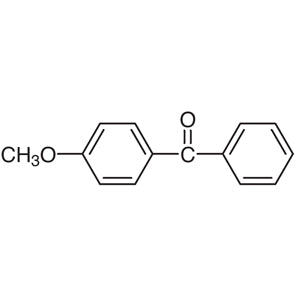
4-Methoxybenzophenone TCI M0357
Regular price Rp 1.167.600,00Regular priceRp 831.600,00Sale price Rp 1.167.600,00