2,2',4,4'-Tetrahydroxybenzophenone from TCI is a benzophenone derivative with four hydroxyl groups spread across its two aromatic rings. It is also known as Benzophenone-2 and belongs to the hydroxybenzophenone class of ultraviolet absorbers. In the laboratory it has three main roles. It serves as a UV-absorbing material in polymer and cosmetic research, as a polyphenolic building block for organic synthesis, and as a reference compound when analysing sunscreen ingredients and plastic additives. This makes it a useful material for both synthetic and analytical work.
What sets this compound apart is the position of its hydroxyl groups. The groups ortho to the carbonyl group form intramolecular hydrogen bonds. Because of this arrangement, the molecule can absorb ultraviolet energy and release it again as heat through a proton-transfer mechanism, which keeps it relatively stable under light. The four phenolic hydroxyl groups also give it many reactive sites for esterification, etherification, or attachment to polymer chains. They also affect how well it dissolves in polar solvents. Together, these features make it a flexible starting material for researchers who need both UV protection and chemical reactivity.
In Indonesian laboratories, this compound is relevant to several groups. Researchers formulating cosmetics and sunscreens can use it to study UV-absorbing ingredients. Quality control laboratories can use it to analyse UV absorber content in finished products. Polymer research groups can use it to develop light-stabilised plastics and coatings. University chemistry departments can also use it in organic synthesis projects and in teaching structure–property relationships of phenolic compounds. Because it comes from TCI, users get consistent material for repeatable experiments and dependable analytical comparisons.
TCI brochures (PDF)
- Polymer Additives 2026-04-16 · p. 6
- Monomers 2025-05-28 · p. 26
Related TCI products
- TCI H0266 131-57-7 2-Hydroxy-4-methoxybenzophenone
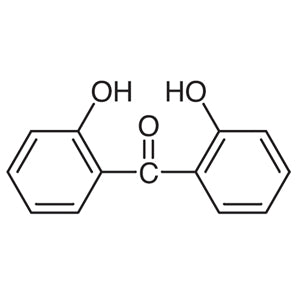
- TCI D1099 835-11-0 2,2'-Dihydroxybenzophenone
- TCI D0575 131-54-4 2,2'-Dihydroxy-4,4'-dimethoxybenzophenone
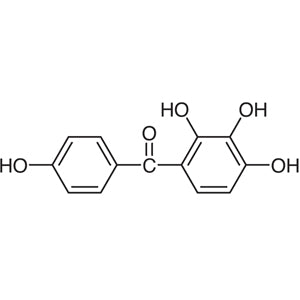
- TCI T1594 31127-54-5 2,3,4,4'-Tetrahydroxybenzophenone
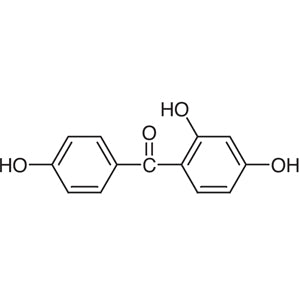
- TCI T0584 1470-79-7 2,4,4'-Trihydroxybenzophenone
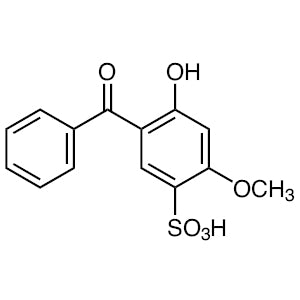
- TCI H0466 4065-45-6 2-Hydroxy-4-methoxybenzophenone-5-sulfonic Acid (contains ca 10% Isopropyl Alcohol)
- UV absorber research in polymers: its ortho-hydroxyl structure dissipates absorbed ultraviolet energy as heat, which makes it suitable for studying light stabilisation of plastics and coatings.
- Cosmetic and sunscreen formulation studies: as a member of the hydroxybenzophenone UV absorber class, it lets formulators assess how UV-filtering ingredients behave in test preparations.
- Polyphenolic building block for organic synthesis: its four phenolic hydroxyl groups offer several reactive sites for esterification, etherification, and other derivatisation reactions in synthetic research.
- Reference compound for analytical testing: quality control laboratories can use it as a comparison standard when identifying or measuring UV absorbers in sunscreen products and plastic additives.
- Polymer modification and grafting studies: its multiple hydroxyl groups allow it to be attached to polymer chains, which helps researchers develop materials with built-in ultraviolet protection.
| Brand | TCI (product code T0118) |
|---|---|
| CAS number | 131-55-5 |
| Molecular formula | — |
| Purity | — |
| Category | Chemistry > Building Blocks > Non-Heterocyclic Building Blocks |
| Pack sizes | as listed on the product page |
| Physical form | refer to the manufacturer's label and Certificate of Analysis |
| Storage | — |
- Synonym: Benzophenone-2
Keep 2,2',4,4'-Tetrahydroxybenzophenone in its original, tightly closed container in a cool, dry, well-ventilated place. Protect it from direct light and moisture, and keep it away from strong oxidising agents and other incompatible substances. Reseal containers promptly after each use to keep the material in good condition. Follow standard laboratory practice: wear safety glasses, gloves, and a lab coat, do not breathe in dust, and avoid contact with skin and eyes. Handle the material in a fume hood or a well-ventilated area. Always read the supplier's Safety Data Sheet before use, and dispose of waste according to local regulations.
—
Produk Terkait
-
2-Hydroxy-4-methoxybenzophenone TCI H0266
Regular price From Rp 769.650,00Regular priceRp 553.350,00Sale price From Rp 769.650,00 -
2,2'-Dihydroxybenzophenone TCI D1099
Regular price From Rp 3.683.400,00Regular priceRp 2.591.400,00Sale price From Rp 3.683.400,00 -
2,2'-Dihydroxy-4,4'-dimethoxybenzophenone TCI D0575
Regular price Rp 848.400,00Regular priceRp 609.000,00Sale price Rp 848.400,00 -
2,3,4,4'-Tetrahydroxybenzophenone TCI T1594
Regular price Rp 1.087.800,00Regular priceRp 775.950,00Sale price Rp 1.087.800,00 -
2,4,4'-Trihydroxybenzophenone TCI T0584
Regular price Rp 6.122.550,00Regular priceRp 4.296.600,00Sale price Rp 6.122.550,00 -
2-Hydroxy-4-methoxybenzophenone-5-sulfonicAcid(containsca10%IsopropylAlcohol) TCI H0466
Regular price From Rp 1.696.800,00Regular priceRp 1.202.250,00Sale price From Rp 1.696.800,00 -
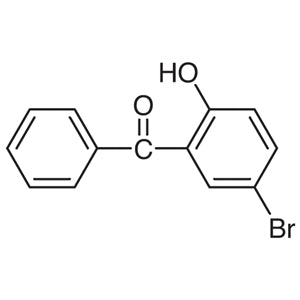
5-Bromo-2-hydroxybenzophenone TCI B2341
Regular price Rp 2.013.900,00Regular priceRp 1.423.800,00Sale price Rp 2.013.900,00 -
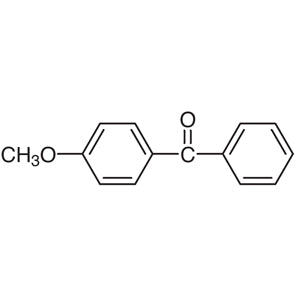
4-Methoxybenzophenone TCI M0357
Regular price Rp 1.167.600,00Regular priceRp 831.600,00Sale price Rp 1.167.600,00