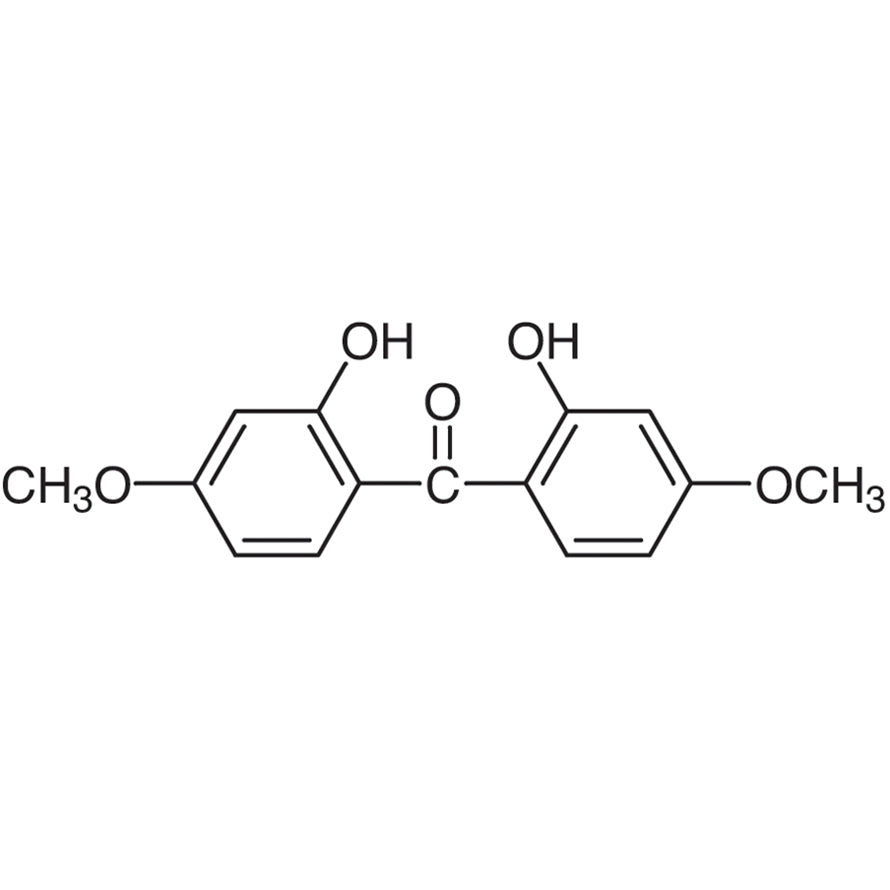
2,2'-Dihydroxy-4,4'-dimethoxybenzophenone is a chemical compound widely used in laboratory settings as a key reagent in the synthesis of polymers and complex organic compounds. Its unique structure, featuring both hydroxyl and methoxy groups, makes it highly reactive and chemically stable, which is essential for various synthetic processes. This compound plays a crucial role in polymer science, particularly in the development of functional materials and advanced polymers. Its ability to participate in multiple reaction types, such as substitution and condensation, makes it a versatile tool for researchers working on material innovation and organic synthesis.
The compound's chemical properties, including solubility in organic solvents like ethyl acetate and ethanol, enhance its utility in laboratory applications. These solubility characteristics allow for easier handling and integration into reaction mixtures, improving the efficiency of synthetic procedures. Additionally, its stability under certain conditions ensures that it remains effective throughout the duration of experiments, reducing the risk of degradation and ensuring consistent results. These features make it a preferred choice for scientists engaged in polymer research and organic chemistry.
In Indonesian laboratories, 2,2'-Dihydroxy-4,4'-dimethoxybenzophenone is extensively used in material science and organic chemistry research. It is commonly found in academic institutions and research centers where new materials and polymers are being developed. Its role in quality testing and the study of polymer properties makes it an essential component in the chemical research landscape of Indonesia.
Related TCI products
- TCI T0118 131-55-5 2,2',4,4'-Tetrahydroxybenzophenone
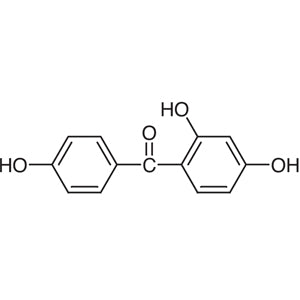
- TCI T0584 1470-79-7 2,4,4'-Trihydroxybenzophenone
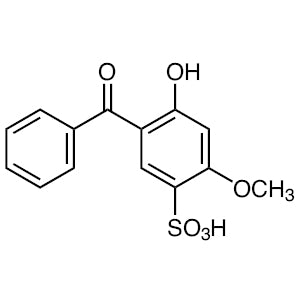
- TCI H0466 4065-45-6 2-Hydroxy-4-methoxybenzophenone-5-sulfonic Acid (contains ca 10% Isopropyl Alcohol)
- TCI H0288 1843-05-6 2-Hydroxy-4-n-octyloxybenzophenone
- TCI H0266 131-57-7 2-Hydroxy-4-methoxybenzophenone
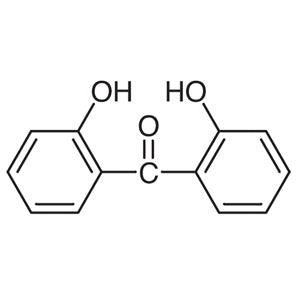
- TCI D1099 835-11-0 2,2'-Dihydroxybenzophenone
- Polymer synthesis and functional material development due to its reactivity and structural versatility.
- Organic chemistry research for creating complex compounds through substitution and condensation reactions.
- Material characterization studies to evaluate the properties of synthesized polymers and composites.
- Quality control testing of polymer-based products to ensure consistency and performance standards.
- Academic research in chemical engineering and materials science for educational and experimental purposes.
| Brand | TCI |
|---|---|
| CAS number | 131-54-4 |
| Molecular formula | — |
| Purity | — |
| Category | Materials Science > Polymer/Macromolecule Reagents > Monomers |
| Pack sizes | Available in various quantities as per standard laboratory supply formats |
| Physical form | Solid |
| Storage | Store in a cool, dry place away from direct sunlight and moisture |
This compound should be stored in a cool, dry environment, away from direct sunlight and sources of moisture. It is recommended to use airtight containers made of glass or polyethylene to prevent contamination and maintain stability. Due to its chemical reactivity, it should be handled with appropriate personal protective equipment, such as gloves and safety goggles, to ensure laboratory safety. Avoid exposure to incompatible substances, and ensure proper ventilation in the workspace. Regular monitoring of storage conditions is advised to maintain the integrity of the material during long-term use.
—
Produk Terkait
-
2,2',4,4'-Tetrahydroxybenzophenone TCI T0118
Regular price Rp 928.200,00Regular price -
2,4,4'-Trihydroxybenzophenone TCI T0584
Regular price Rp 6.070.050,00Regular price -
2-Hydroxy-4-methoxybenzophenone-5-sulfonicAcid(containsca10%IsopropylAlcohol) TCI H0466
Regular price From Rp 1.644.300,00Regular price -
2-Hydroxy-4-n-octyloxybenzophenone TCI H0288
Regular price From Rp 530.250,00Regular price -
2-Hydroxy-4-methoxybenzophenone TCI H0266
Regular price From Rp 717.150,00Regular price -
2,2'-Dihydroxybenzophenone TCI D1099
Regular price From Rp 3.630.900,00Regular price -
2,2'-Dihydroxy-4-methoxybenzophenone TCI D0586
Regular price Rp 1.060.500,00Regular price -
4,4'-Dihydroxybenzophenone TCI D0577
Regular price From Rp 1.298.850,00Regular price